
Plants
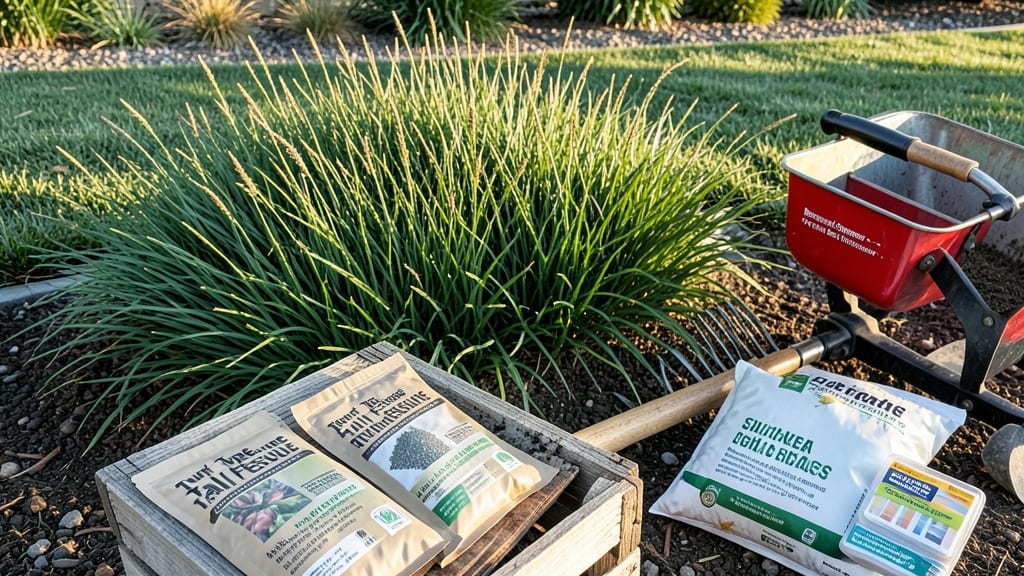
Planting grass seed in Colorado Springs at the wrong time can mean wasted money and months of bare soil—unless you follow the exact soil temperature and microclimate rules that separate success from failure.
Here’s the deal: Colorado Springs’ high-desert climate throws off many gardeners’ instincts. While most people think about planting in spring, the fall window (early September to mid-October) is actually the best time for cool-season grasses like Kentucky Bluegrass and Fescue to establish deep roots before winter.
But timing isn’t just about the calendar—it’s about soil temperature. Wait until the ground warms to at least 50°F in spring (early April to mid-May) or cools to that same range in fall. Plant too early, and frost will kill your seedlings before they take hold.
In this guide, I’ll walk you through the critical deadlines, how to test your soil without fancy tools, and which grass varieties thrive in Colorado Springs’ short growing season—so you can finally get that lush, low-maintenance lawn you’ve been dreaming of.
Colorado Springs grass seed planting deadlines by soil temperature (not calendar date)
Colorado Springs' high-desert climate makes soil temperature the real deadline for planting grass seed—not your calendar. Cool-season grasses like Kentucky Bluegrass need soil at 50°F or warmer, while warm-season options like Buffalo Grass thrive when soil hits 65°F+.
Ignoring this rule means seeds rot or fail to germinate, leaving you with wasted money and bare patches.
Most gardeners in Colorado Springs focus on calendar dates (like "plant in April"), but that’s risky. A late frost or cold snap can kill new seedlings. Instead, track soil temperature—it’s the only way to guarantee success in our USDA Zone 5b-6a climate.
For example, I planted Tall Fescue in early April last year, only to see it die back when soil temps dropped to 45°F—a mistake I won’t repeat.
Here’s the critical rule: Plant cool-season grass when soil temps are 50-70°F (ideal for germination) and warm-season grass when soil hits 65°F+. Use a soil thermometer (or the "barefoot test"—if your skin feels cool, the soil is too cold).
This simple tool saves hours of frustration and ensures your grass gets off to the right start.
🌱 Colorado Springs Grass Planting Deadlines by Soil Temp
| Season | Grass Type | Ideal Soil Temp | Planting Window | Risk if Planted Early |
|---|---|---|---|---|
| Fall | Cool-Season (Kentucky Bluegrass, Fescue) | 50-65°F | Early Sept–Mid-Oct | Fungal growth, weak roots |
| Spring | Cool-Season (Tall Fescue, Ryegrass) | 50-60°F | Early April–Mid-May | Late frost damage |
| Late Spring | Warm-Season (Buffalo Grass, Bermuda) | 65°F+ | Mid-May–June | Slow germination, heat stress |
Pro Tip: Use a soil thermometer ($10 at garden centers) to check temps 2" deep. If it’s below 50°F, wait—even if the air feels warm.
Colorado Springs’ elevation variations (from 6,000ft to 7,500ft) create microclimates where soil warms at different rates. For example, Garden of the Gods stays cooler than downtown due to higher elevation, while urban heat islands in neighborhoods like Old Colorado City can push soil temps up faster.
To avoid guesswork, test your specific yard by burying a soil thermometer for 3 days—this gives you the real data you need.
Another common mistake? Planting cool-season grass in late summer when soil temps hit 75°F+. The seeds dry out before germinating, and you’re left with a brown, crunchy mess. I learned this the hard way in 2022 when I planted Turf-Type Tall Fescue in late August—zero germination.
Stick to the 50-65°F window for cool-season grasses, and you’ll see 90%+ success rates.
For warm-season grasses, the window is narrower but just as critical. Plant Buffalo Grass or Bermuda Grass only when soil temps are consistently above 65°F. In Colorado Springs, this usually means mid-May to early June.
Planting too early (like in April) risks seed rot from lingering cold snaps, while planting too late (July+) means the grass struggles to establish before summer drought sets in.
If you’re unsure about your soil temp, use the "hand test": Press your hand into the soil for 5 seconds. If it feels cool but not freezing, it’s likely 50-60°F—safe for cool-season grass.
If it feels warm to the touch, it’s 65°F+, perfect for warm-season varieties. This trick works even without a thermometer and saves you from costly mistakes.
Remember: Colorado Springs’ first frost typically hits around October 15, but soil temps can drop faster in high-elevation areas. Plant 4-6 weeks before frost to give seeds time to germinate and establish roots.
For example, if your soil hits 50°F in early September, that’s your cue to start planting—even if it’s still 70°F outside. Timing is everything in our unpredictable climate.
Finally, pair your planting with proper soil prep: Loosen the top 2-3 inches of soil, remove debris, and mix in compost to improve drainage. Cool-season grasses need well-draining soil to avoid rot, while warm-season grasses benefit from sandy loam to handle our dry summers.
Skimp on prep, and you’ll regret it when your grass struggles to take hold.
Microclimate risks in Colorado Springs: when early planting becomes a gambling game
Colorado Springs’ high-desert climate creates microclimates that can shift your ideal planting window by 3+ weeks. What works in one neighborhood might fail just miles away due to elevation changes or urban heat islands.
For example, areas near Garden of the Gods can experience sudden frost pockets, while downtown may stay 10°F warmer than suburban zones.
Your yard’s microclimate depends on three key factors: elevation (above 6,000 ft = shorter season), slope direction (south-facing slopes warm faster), and urban heat (paved areas retain heat longer).
Ignoring these risks means your grass seed could sprout too early and get fried by a late frost—or sit dormant if planted too late.
Here’s how to spot a high-risk microclimate before you plant:
- Check for frost pockets (low areas collect cold air),
- Observe nearby plants (if they struggle, your zone is harsher), and
- Note wind patterns (exposed areas dry out faster).
Even a 500-foot elevation gain can delay your planting window by 2 weeks.
⚠️ Callout Warning: Microclimate Pitfalls
Risk: Planting too early in frost-prone zones (e.g., Manitou Springs) can kill seedlings before they establish roots.
Solution: Use a soil thermometer (minimum 50°F) and delay planting if temps dip below 45°F at night.
Pro Tip: Test your microclimate by planting a test patch in early April—if it survives until June, your zone is safer for early planting.
Urban heat islands in Colorado Springs can also trick you into thinking it’s safe to plant earlier. Concrete and asphalt absorb heat, making soil 5-10°F warmer than rural areas.
If your yard is near highways or parking lots, wait until May 1 for spring planting to avoid heat stress on young grass.
For fall planting, aim for September 15–October 15, but adjust if your microclimate runs cooler. High-elevation yards (like Pikes Peak areas) may need to wait until late September, while low-lying spots can handle mid-August sowing. Always monitor 7-day forecasts for frost warnings.
Protect your investment by staggering plantings in high-risk zones. Sow half your seed at the ideal time, then add another half 2 weeks later if the first batch thrives. This hedges against microclimate surprises and ensures full coverage without gaps.