
Plants
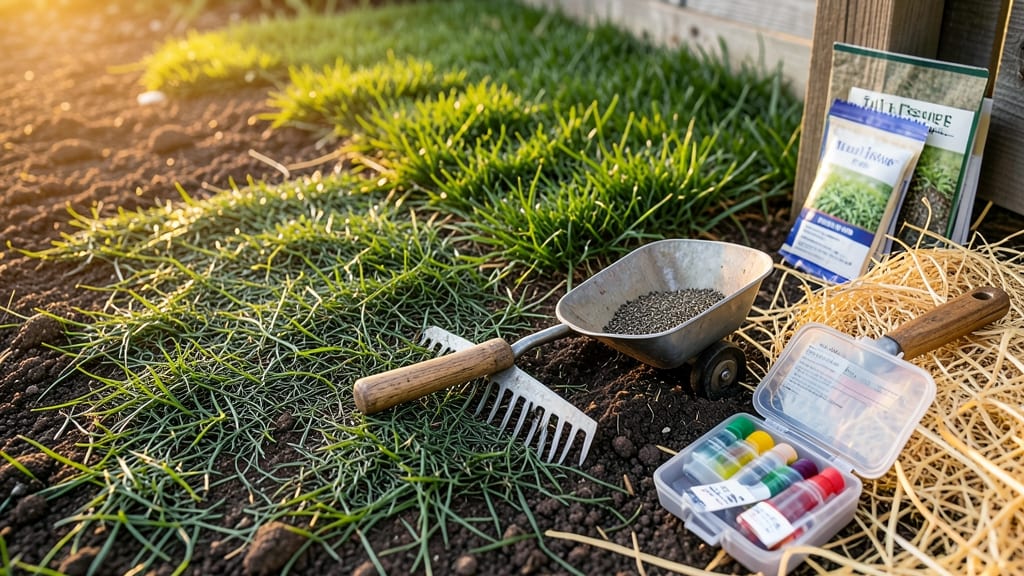
Timing your grass seed planting in East Tennessee wrong could mean the difference between a thick, green lawn and a patchy, struggling yard. The 6b-7a climate here demands precision—too early, and frost will ruin your efforts; too late, and summer heat will stunt growth.
Most gardeners swear by early spring (March-April) or early fall (August-September) as the sweet spots, but why? It’s all about soil temperature, rainfall patterns, and avoiding those brutal summer heatwaves that can dry out seedlings faster than you can say "lawn care."
In this guide, I’ll break down the exact windows that work best for your 🌱 grass, plus how to prep your soil and care for new seedlings so they thrive—not just survive. Skip the guesswork and get it right the first time.
Whether you’re seeding a new yard or patching bare spots, these insights will help you avoid common mistakes and grow a lawn that’s the envy of the neighborhood. Let’s get started.
Best months to plant grass seed in East Tennessee for optimal germination
Timing your grass seed planting in East Tennessee is crucial—cool-season grasses like tall fescue and Kentucky bluegrass thrive in spring and fall, while warm-season Bermuda grass prefers late spring. The USDA Zone 6b-7a climate means you’ll want to avoid extreme heat or frost when planting.
Your best windows are March-April for spring planting and August-September for fall. These months offer ideal soil temperatures (60-70°F), moderate rainfall, and fewer weeds. Planting outside these windows can lead to poor germination or seedling stress.
For cool-season grasses, aim for 4-6 weeks before your last frost date (mid-April). This gives seedlings time to establish roots before summer heat arrives. Warm-season grasses should go in after soil warms consistently above 65°F, typically by late May.
| Season | Best Months | Grass Types | Soil Temp | Rainfall |
|---|---|---|---|---|
| Spring | March-April | Tall Fescue, Kentucky Bluegrass | 60-70°F | Moderate (3-4 inches) |
| Fall | August-September | All cool-season grasses | 65-75°F | High (4-5 inches) |
| Late Spring | May-June | Bermuda, Zoysia | 70-80°F | Low-Moderate (2-3 inches) |
Fall planting often yields better results because cooler temps reduce weeds and rainfall is abundant. Many gardeners in Knoxville and Chattanooga report thicker lawns from fall-seeded grass. Just avoid planting after mid-September, as frost risk increases.
If you miss the ideal windows, February or October can work for cool-season grasses, but expect slower germination. Never plant in summer—the heat will bake seeds before they sprout. Even shade-tolerant varieties struggle in July-August without proper care.
For mountain regions (e.g., Great Smoky Mountains), adjust by 1-2 weeks earlier—cooler microclimates mean frost arrives sooner. Test your soil temperature with a soil thermometer to confirm readiness before planting.
Pro tip: Overseed in early spring (February) if your lawn is thin. This gives grass a head start before summer heat sets in. Just reduce seed rates by 25% to avoid overcrowding.
Remember, consistent moisture is key after planting. Use a light mulch (like straw) to retain soil moisture and protect seedlings from East Tennessee’s unpredictable weather. 🌱
Best months to plant grass seed in East Tennessee for optimal germination
East Tennessee’s mild winters and humid summers create a unique window for planting grass seed. Unlike hotter Southern states, the region’s USDA Zones 6b-7a allow for two prime planting seasons: early spring and early fall.
Timing matters because grass seed needs consistent moisture and moderate temperatures—both of which are tricky during East Tennessee’s sweltering July or freezing January.
For cool-season grasses like tall fescue or Kentucky bluegrass, the best time is March through April.
These grasses thrive when soil temperatures hover between 50-65°F, perfect for germination. Early fall, specifically August through September, is the second ideal window, as cooler temps and increased rainfall give seedlings a fighting chance before winter.
| Season | Best Months | Soil Temp (°F) | Grass Types |
|---|---|---|---|
| Spring | March - April | 50-65°F | Tall fescue, Kentucky bluegrass |
| Fall | August - September | 60-70°F | All cool-season grasses |
Avoid planting in late spring or summer, as East Tennessee’s heat and drought stress seedlings. Warm-season grasses like Bermuda or Zoysia (less common here) can handle summer planting, but they’re not ideal for the region’s climate. Instead, focus on cool-season varieties that dominate local lawns.
Pro tip: Check soil temperature before planting—use a soil thermometer to confirm it’s in the 60-70°F range. If it’s cooler, wait a week or two.
If it’s hotter, delay until fall. Rainfall patterns also play a role; East Tennessee’s April showers are perfect for spring planting, while September’s steady rains help fall seeds establish.
Microclimates matter too. Higher elevations (like the Smoky Mountains) may have cooler soil in spring, pushing ideal planting to late April. Meanwhile, Knoxville’s urban heat islands can warm soil faster, making March planting ideal. Adjust based on your specific location.
Once you’ve picked your window, prep your soil by removing debris and loosening the top 2-3 inches. A light raking creates the perfect seedbed for even germination. Water deeply after planting to ensure seed-to-soil contact—this is critical for consistent moisture during the first 2-3 weeks.
Timing isn’t just about the calendar—it’s about giving your grass seed the best shot to thrive in East Tennessee’s variable climate. With the right window, your lawn will establish strong roots and outlast the region’s humidity, heat waves, and occasional frosts. 🌱