
Plants
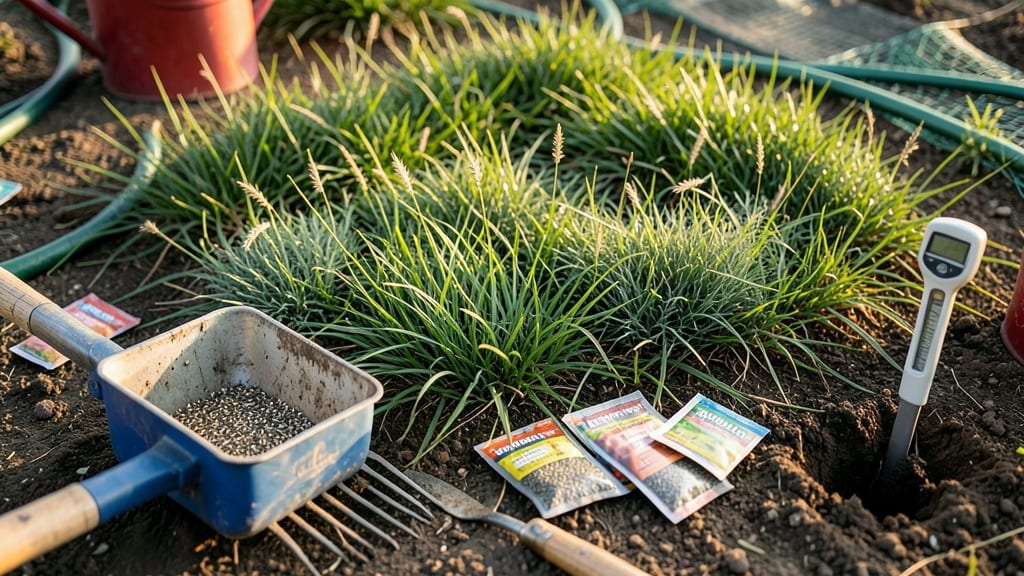
Planting grass seed in Idaho isn’t just about picking a month—it’s about catching that perfect window when soil temps, frost dates, and elevation zones all align for success. Skip this timing, and you’ll end up battling weeds or weak germination, no matter how good your seed is.
The right moment depends on whether you’re in Boise’s USDA Zone 6 or a cooler mountain area in Zone 4, where frost can linger until mid-April.
Here’s the secret: Idaho’s ideal planting months are early spring (March-April) or early fall (August-September), but the exact date shifts based on microclimates. Urban heat islands might be ready weeks before rural valleys, while higher elevations need that extra patience.
We’ll break down how to read soil thermometers (aim for 50-65°F) and adjust your schedule by zone—so you’re not guessing when to pull the trigger.
Why does this matter? Because strong germination starts with timing, and Idaho’s climate throws curveballs. Too early, and cold soil can rot your seed before it sprouts. Too late, and summer heat stresses young grass.
I’ll show you how to nail those critical deadlines—plus, the grass types that thrive in Idaho’s spring/fall windows (like frost-tolerant Kentucky Bluegrass) and how to prep your soil for maximum success.
Ready to transform your lawn? Let’s dive into the exact steps—from soil tests to watering schedules—that’ll give you a lush, weed-free yard without the trial-and-error headaches. Your perfect green carpet starts with the right move at the right time.
Idaho grass seed planting deadlines by Zone: soil temp rules for strong germination
Idaho’s diverse climate—from USDA Zone 4 mountain valleys to Zone 7 southern plains—means your grass seed planting window can vary by 4-6 weeks. The golden rule? Wait until soil temperatures consistently reach 50-65°F for 7-10 days.
In northern Idaho, this might mean waiting until late April, while southern zones like Twin Falls can start as early as mid-March.
A soil thermometer is your best friend—stick it 2 inches deep in the ground (where seeds will germinate) and check daily. Idaho’s elevation shifts also play a role: every 1,000 feet higher delays ideal planting by 1-2 weeks.
For example, Boise (Zone 6) plants 2 weeks earlier than Coeur d’Alene (Zone 5).
🌱
| USDA Zone | Ideal Planting Window | Soil Temp (°F) | Elevation Adjustment | Local Example |
|---|---|---|---|---|
| Zone 4 | Late April–Early May | 50–55°F | +2 weeks | Sandpoint, Ketchum |
| Zone 5 | Mid-April–Late April | 50–60°F | +1 week | Coeur d’Alene, Moscow |
| Zone 6 | Early April–Mid-April | 55–65°F | Standard | Boise, Meridian |
| Zone 7 | Mid-March–Early April | 55–65°F | –1 week | Twin Falls, Burley |
*Adjust for microclimates: Urban areas may plant 1 week earlier due to heat retention.
Fall planting in Idaho works best from mid-August to early September, giving seeds time to germinate before first frost (typically mid-October). Aim for soil temps between 60-70°F—cooler than spring but warm enough for root growth. In higher elevations, push planting to late August to avoid early frosts.
Microclimates can override zone rules. For example, urban heat islands in Boise might allow planting 1-2 weeks earlier than rural areas, while mountain valleys (like near McCall) may need to delay until late May. Check local Idaho State University Extension resources for hyper-local adjustments.
Pro tip: If you’re in a transition zone (like Zone 5-6 borders), split your seed into two batches—plant half in early April and half in late April to hedge against unpredictable weather. This staggered approach ensures at least one batch germinates successfully.
🌿
Post-planting, monitor soil moisture closely. Idaho’s dry spells in May-June can dry out seeds before they sprout. Keep the soil consistently moist (not soggy) for the first 3-4 weeks, then taper to 1 inch per week once grass reaches 3 inches tall.
Mulch lightly with straw to retain moisture and protect seeds from wind.
For high-elevation areas (above 5,000 feet), consider a cold-frame or row cover to extend the growing season. These tools can add 2-3 weeks to your planting window by trapping heat. Just remove covers once grass is 4 inches tall to avoid overheating.
Finally, avoid planting in Idaho’s frost-prone pockets, like the Pocatello Valley or Lewiston Basin, where late frosts can linger into May. Use a frost date calendar (available from local co-op extensions) to fine-tune your timing.
☀️
Best grass seed types for Idaho’s climate: cool-season vs. warm-season planting strategies
Idaho’s climate favors cool-season grasses like Kentucky Bluegrass and Fine Fescue, which thrive in the state’s spring and fall planting windows. These varieties handle Idaho’s cold winters and dry summers better than warm-season grasses, which struggle in northern zones like Coeur d’Alene or Sandpoint.
For southern Idaho (Boise, Twin Falls), you can experiment with warm-season grasses, but they require earlier planting and more water.
Cool-season grasses dominate Idaho lawns because they establish quickly in 50-65°F soil and stay green through fall frosts. Warm-season grasses like Bermuda grass need 75-85°F soil to germinate, making them risky unless you’re in USDA Zone 7 or warmer and plant in late May or June.
The trade-off? Warm-season grasses recover faster from summer droughts but go dormant in winter.
🌱 Cool-Season vs. Warm-Season Grass
| Type | Best Planting Time | Establishment Time | Drought Tolerance | Maintenance Level |
|---|---|---|---|---|
| Kentucky Bluegrass | Early spring/fall | 3-4 weeks | Moderate | High (needs mowing) |
| Fine Fescue | Late summer/fall | 4-6 weeks | High | Low (tough, low-maintenance) |
| Bermuda Grass | Late May-June | 2-3 weeks | Very High | Moderate (goes dormant) |
For Idaho’s spring planting, Kentucky Bluegrass is the gold standard—it germinates fast and fills in gaps quickly. If you’re seeding in late summer or fall, Fine Fescue is your best bet; it handles cooler soils and establishes roots before winter.
Pro tip: Mix 10% perennial ryegrass with your seed blend for faster germination in spring.
Warm-season grasses like Zoysia or Bermuda grass can work in southern Idaho’s Zone 7 (e.g., Boise, Twin Falls), but they demand earlier planting and consistent summer watering.
The payoff? They stay green through Idaho’s dry summers without browning. However, they’ll turn brown in winter, so don’t choose them if you want year-round green lawns.
Always check your seed bag’s hardiness zone—Idaho’s USDA Zones 4-7 mean some varieties (like Tall Fescue) thrive in northern Idaho while others (like Bermuda) only work in the south.
For a foolproof lawn, stick to cool-season blends and plant in March-April or August-September when soil temps hit 50-65°F.
🌱