
Plants
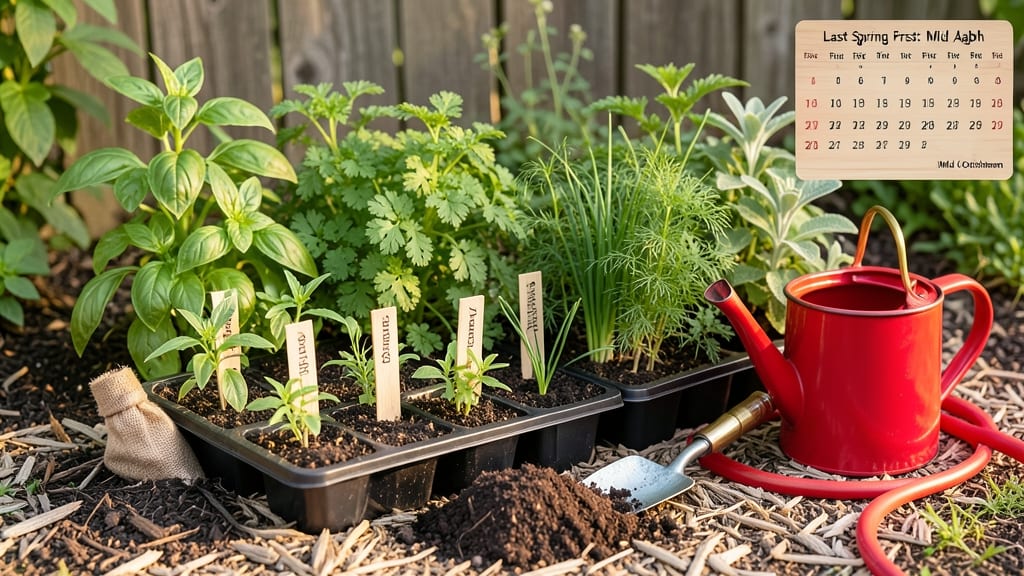
Timing your herb planting in Maryland isn’t just about the calendar—it’s about beating the unpredictable frosts that can turn your 🌿 basil into a sad, wilted memory overnight.
Whether you’re dreaming of fresh parsley for spring salads or fall rosemary for holiday dishes, getting the window right means the difference between a thriving garden and a wasted season.
With Maryland’s 7a-8a climate, you’ve got just 165 frost-free days to work with—so knowing when to start seeds indoors (like cilantro in March) or rush out for direct sowing (after April 15) is key.
I’ll break down the exact planting deadlines for your region, so you can avoid the heartbreak of a late frost or the frustration of herbs bolting before harvest.
Here’s the game-changer: some herbs, like mint and thyme, are perennials that reward patience, while others, like basil and dill, demand precision.
You’ll learn which varieties thrive in Maryland’s spring and fall windows, how to stretch your growing season with simple tricks, and even how to cheat the system with containers for balcony gardening.
Ready to turn your herb dreams into reality? Let’s dive into the frost-free planting schedule that’ll keep your kitchen stocked with flavor all season long—no guesswork, just green thumbs.
Maryland herb planting calendar: frost dates by region
Maryland’s five USDA hardiness zones (5a-7b) create varying frost risks—knowing your zone helps you avoid late-spring freezes or early-fall chills. Most of Maryland falls in zones 6b-7a, but western areas like Hagerstown (zone 6b) face earlier frosts than Annapolis (zone 7a).
For annual herbs like basil and cilantro, wait until after your last frost date—typically mid-April to early May—but perennials like rosemary can handle light frosts if planted in well-draining soil. Fall planting starts 8-10 weeks before frost, usually late July to early September.
Pro Tip: Use Maryland’s average frost dates as a guide, but check local weather forecasts for real-time updates. A 50°F night can kill tender herbs like dill or chives.
| Zone | Last Spring Frost | First Fall Frost | Spring Planting Window | Fall Planting Window |
|---|---|---|---|---|
| 5a (Western MD) | April 15 | October 30 | May 1 - June 1 | July 15 - August 15 |
| 6a (Central MD) | April 20 | October 20 | April 25 - May 15 | July 20 - August 20 |
| 6b (Baltimore/DC) | April 25 | October 15 | April 30 - May 10 | July 25 - August 25 |
| 7a (Eastern Shore) | May 1 | October 10 | May 5 - May 20 | August 1 - September 1 |
| 7b (Southern MD) | April 28 | October 5 | April 20 - May 5 | August 5 - August 30 |
If you’re starting herbs indoors, begin 6-8 weeks before your last frost date—so late February to early March for most of Maryland. Heat-loving herbs like basil need warm soil (70°F+) to germinate, so wait until late May for direct sowing if early plantings fail.
For container gardening, move pots indoors or to a protected porch when night temps drop below 50°F. Cold-hardy herbs like thyme and oregano can stay outside year-round in zone 7a+, but tender varieties (e.g., parsley, cilantro) need winter protection.
Use row covers or cloche tunnels to extend your spring planting window by 2-3 weeks—just remove them on warm days (70°F+) to prevent heat stress. This trick works especially well for slow-growing herbs like rosemary.
Warning: Avoid planting heat-sensitive herbs (e.g., basil, dill) in late summer—they’ll bolt or wilt in Maryland’s 90°F+ humidity. Instead, opt for cool-season herbs like parsley or chives for fall harvests.
Track your local microclimate—urban areas like Baltimore stay warmer than rural Frederick County
Best herbs to plant now in Maryland: fast-growing vs. slow starters
Maryland’s two distinct herb planting seasons—spring and fall—offer perfect windows for both fast-growing herbs like cilantro and slow starters such as rosemary. The key is matching each herb’s soil temperature needs and growth speed to Maryland’s 60-90 frost-free days.
For example, cilantro thrives in cool 50-65°F soil and bolts when temperatures rise above 75°F, while rosemary loves warm soil (70°F+) and won’t tolerate frost.
Start by identifying your local last frost date (typically April 15 in most of Maryland) and count backward 6-8 weeks for fall planting. This timing ensures herbs like parsley and chives mature before the first frost (November 15).
For spring, wait until 2 weeks after your last frost date to avoid cold snaps damaging tender basil and dill.
🌿 Maryland Herb Planting Priorities by Speed
- 🚀 Fast-Growing (30-45 days): Cilantro, parsley, chives, dill, basil (spring/fall)
- 🐢 Slow Starters (60+ days): Rosemary, thyme, oregano, sage (spring/fall)
- ⏳ Perennials (plant anytime): Mint, lemon balm (hardy to Zone 5a)
Pro Tip: Use companion planting—pair basil with tomatoes to repel pests, or mint near cabbage to deter aphids.
For container gardening, prioritize fast-growing herbs like cilantro and basil—they’ll give you harvests in 4-6 weeks, perfect for Maryland’s short growing season. Fill containers with well-draining potting mix (avoid garden soil) and place them in south-facing windows or on patios with 6+ hours of sun.
Slow growers like rosemary can go in containers too, but they’ll need larger pots (12"+ diameter) to establish strong root systems.
Soil temperature is your secret weapon for success. Use a soil thermometer to check when it reaches 55°F+ for spring planting—this signals it’s safe to sow seeds like parsley and chives. For fall, aim for 60°F+ soil when planting basil and dill in late summer.
If your soil runs cold (common in Maryland’s Zone 7a), add compost or aged manure to warm it faster.
Don’t overlook succession planting—this is how Maryland gardeners avoid harvest gaps. Sow cilantro every 2 weeks from March to September to ensure a continuous supply, since it bolts quickly.
Similarly, plant basil in two batches: one in early May and another in mid-July to stretch your harvest through October. This works especially well in raised beds, where soil warms faster than in-ground plots.
Finally, group herbs by their water needs to simplify care. Drought-tolerant herbs like thyme and rosemary thrive on weekly watering, while moisture-loving cilantro and parsley need daily water in summer.
Mulch all herbs with straw or shredded leaves to retain moisture and suppress weeds—this is a game-changer in Maryland’s humid summers. With these strategies, you’ll enjoy fresh herbs from May through October, even in Maryland’s variable climate.