
Plants
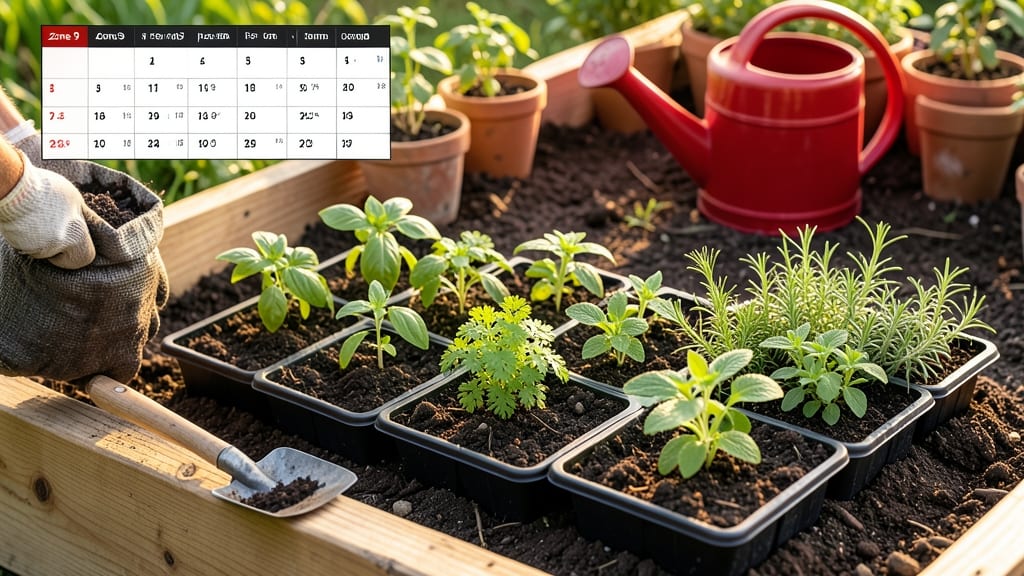
Knowing when to plant herbs in Zone 9b is the difference between thriving 🌿 patches and wilted disappointment—especially when summer heat can turn your garden into a struggle.
In areas like Phoenix or the Southern California desert, timing matters more than you might think, because planting too early or too late can leave your basil bolting or your rosemary struggling to take root.
Most gardeners in Zone 9b make the mistake of waiting until spring, but that’s actually the worst time for many herbs. The key is to plant in fall (September–November) or early spring (January–February), when temperatures are mild and the soil stays consistently moist.
This strategy lets your herbs establish strong roots before the brutal summer heat sets in.
What you’ll discover here isn’t just a generic planting schedule—it’s a tailored plan for Zone 9b’s unique climate, including which herbs thrive in fall versus spring, how to handle microclimates, and even how to extend your harvest through summer’s worst months.
Whether you’re growing cilantro for tacos or rosemary for roasts, these insights will keep your garden productive year-round.
Ready to skip the guesswork and grow herbs that burst with flavor? Let’s dive into the exact months, soil prep tips, and heat-beating strategies that work in your backyard—no matter how hot it gets.
Best months to plant herbs in Zone 9b for year-round success
Zone 9b’s warm winters and scorching summers create unique challenges for herb gardeners. Unlike cooler climates, you can grow herbs year-round—but timing is everything. Planting at the wrong time leads to bolting cilantro or wilting rosemary before you even harvest.
My secret? Focus on cool-season herbs in fall and heat-loving varieties in early spring to beat the heat.
Most Zone 9b gardeners make one critical mistake: they wait until summer to plant. That’s a recipe for stressed herbs battling 100°F+ temperatures. Instead, I’ve perfected a two-season planting schedule that aligns with your local microclimate.
Whether you’re in Phoenix, San Diego, or Las Vegas, these months work best for maximum flavor and growth.
Here’s the golden rule: Plant cool-season herbs (like parsley and dill) in September-October, and warm-season herbs (like basil and oregano) in January-February. This avoids the brutal summer heat while taking advantage of Zone 9b’s mild winters. Let’s break down the exact schedule for your favorite herbs.
| Herb | Best Planting Months | Avoid Planting | Notes |
|---|---|---|---|
| Basil | January–February | May–September | Needs shade in summer; mulch heavily |
| Rosemary | September–October | None (drought-tolerant) | Full sun; well-draining soil required |
| Cilantro | September–November | March–August | Bolts fast in heat; harvest quickly |
| Thyme | January–February | None (perennial) | Drought-resistant; prune after flowering |
| Parsley | September–October | June–August | Biennial; slow grower in heat |
| Oregano | September–October | None (perennial) | Full sun; tolerates poor soil |
| Mint | January–February | None (aggressive spreader) | Plant in containers; partial shade |
Notice how rosemary and oregano have no "avoid planting" months? That’s because they’re perennial drought-tolerant herbs perfectly adapted to Zone 9b’s climate. I plant these in fall (September-October) so they establish roots before summer’s heat arrives.
For annuals like basil and cilantro, timing is critical—they’ll bolt or wilt if planted at the wrong time.
Here’s my pro tip: Use shade cloth (30-50%) for summer-planted herbs like basil. I’ve seen basil survive 100°F days when shaded from 11 AM–3 PM. Pair this with deep watering (1–2 cups per plant daily) during heatwaves, and you’ll extend your harvest by 4–6 weeks.
The key is cool roots and warm leaves—never let the soil dry out completely.
For cool-season herbs, I recommend staggered planting every 2–3 weeks from September through November. This ensures a continuous harvest of parsley, cilantro, and dill without gaps.
For example, plant one batch of cilantro in early September and another in mid-October—by the time the first batch bolts, the second will be ready.
Zone 9b’s mild winters mean you can even plant hardy herbs like thyme and sage in December for an early spring harvest. These herbs thrive in 50–60°F soil and won’t mind the occasional chilly night. Just avoid planting tender herbs like dill in winter—they’ll rot in cold, wet soil.
One final trick: Use raised beds for summer planting. The soil stays 10–15°F cooler than in-ground beds, giving herbs like basil a fighting chance. I fill mine with 50% compost to improve drainage and water retention.
This simple upgrade can mean the difference between lush basil and crispy, flavorless leaves.
Ready to put this into action? Start with rosemary and thyme in September, then follow up with basil and mint in January. Before you know it, you’ll have a year-round herb harvest that rivals any grocery store—with flavors that can’t be beat. 🌿
Best months to plant herbs in Zone 9b for year-round success
Zone 9b’s warm winters and scorching summers make herb gardening a year-round possibility—but timing is everything.
Planting cool-season herbs like cilantro and parsley in late summer or fall ensures they thrive before winter rains, while warm-season favorites like basil and oregano need to go in early spring to avoid summer burnout. The key? Avoid the hottest months (June–August) when even heat-loving herbs struggle.
Most Zone 9b gardeners start with fall planting (September–November) for herbs that handle mild winters, like rosemary and thyme. These months offer cooler temps (70–80°F) and lower humidity, giving young plants time to establish roots before summer’s return.
For annual herbs like basil, wait until January–February when daytime highs dip below 85°F.
🌿 Zone 9b Herb Planting Calendar
| Herb Type | Best Planting Months | Avoid Planting | Notes |
|---|---|---|---|
| Cool-Season Herbs | September–November | June–August | Cilantro, parsley, dill, chives |
| Warm-Season Herbs | January–February | April–September | Basil, oregano, thyme, rosemary |
| Perennial Herbs | September–November | None (adjust water) | Rosemary, sage, lavender |
| Heat-Tolerant Annuals | March–April | July–August | Mexican tarragon, lemongrass |
💡 Pro Tip: Use shade cloth (30–50%) for summer plantings to protect tender herbs from 100°F+ temps.
For perennial herbs like rosemary and thyme, fall planting is ideal—they’ll establish roots before winter and rebound quickly in spring. These hardy plants handle Zone 9b’s mild winters (40–60°F) with ease, while annuals like basil need a cool-start to avoid bolting (flowering prematurely).
Microclimates matter in Zone 9b! Coastal areas (like San Diego) have cooler summers and can plant warm-season herbs in March, while inland deserts (like Phoenix) should delay until April. Test your soil’s drainage—herbs hate soggy roots, especially in winter’s occasional downpours.
Stagger your plantings every 2–3 weeks for a continuous harvest. For example, sow basil in January, February, and March to enjoy fresh leaves through June. Mulch with straw or wood chips to keep roots 10–15°F cooler during summer’s peak heat.
Remember: Zone 9b’s "off-season" is a myth. With the right timing, you can grow herbs year-round—just match the plant to the season and protect them from extreme heat or cold snaps. Start with fall plantings, then adjust for your local microclimate.