
Plants
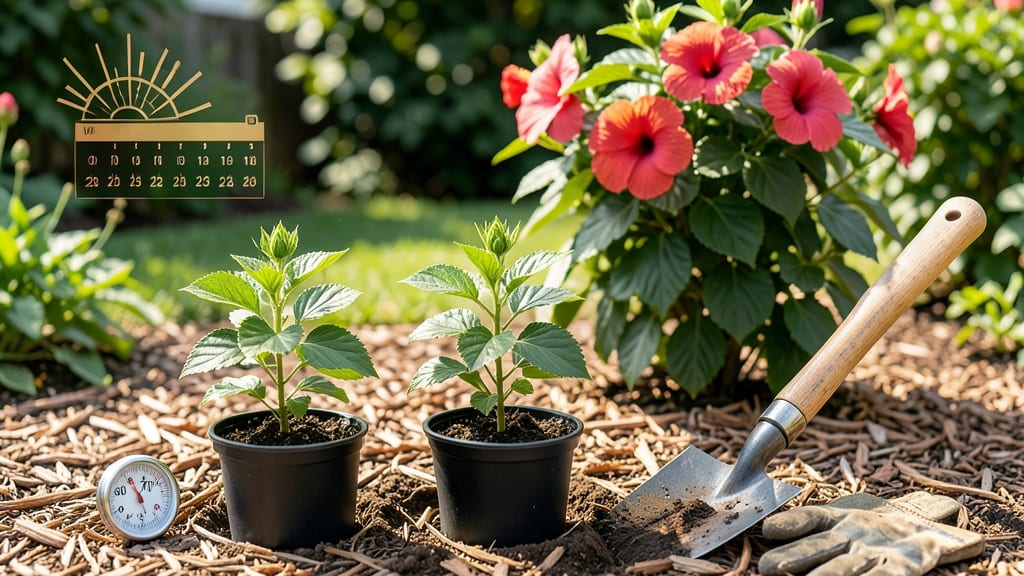
Planting hibiscus in Michigan isn't just about timing—it's about surviving unpredictable frosts that can turn your tropical beauty into a sad, wilted memory overnight. The last frost date isn't just a number; it's the difference between vibrant blooms and a lost season.
Most Michigan gardeners in zones 5b-6b wait until late May or early June to plant hibiscus 🌸, but that’s just the start. The real secret lies in preparing your soil, choosing the right location, and knowing when to protect your plants from late spring surprises.
In this guide, I’ll walk you through the exact steps to plant hibiscus in Michigan—from picking the perfect spot to extending your growing season so you can enjoy those stunning flowers from summer through early fall.
Whether you're a first-time gardener or a seasoned pro, these tips will help you avoid the most common mistakes and keep your hibiscus thriving all season long.
Michigan’s frost-free zones and ideal hibiscus planting months
Michigan’s climate—with its USDA hardiness zones 5a-6b—can be tricky for hibiscus lovers. These tropical beauties thrive in warmth but struggle with frost, so timing is everything.
The key is planting after your last average frost date, which varies dramatically across the state from mid-May in Detroit to late May in Traverse City.
For tropical hibiscus varieties (like Hibiscus rosa-sinensis), you’ll need to wait until the soil temperature hits at least 60°F—usually late May to early June in most of Michigan. Hardy hibiscus (Hibiscus moscheutos) can handle cooler temps and may tolerate planting as early as mid-May in Zone 6b, but even they need frost-free nights.
Here’s the breakdown: Southern Michigan (Detroit, Kalamazoo) has a longer growing season, while Northern Michigan (Marquette, Sault Ste. Marie) faces shorter summers. Always check your local Almanac’s frost dates—they’re your best guide.
🌱
| Zone | Last Frost Date | Ideal Planting Window | Notes |
|---|---|---|---|
| 5a (Upper Peninsula) | Late May | Late June | Tropical hibiscus only in containers; hardy varieties may survive outdoors. |
| 5b (Northern Lower) | Mid-May | Early June | Start seeds indoors in April; transplant after frost. |
| 6a (Southern) | Early May | Late May | Direct sowing possible in Zone 6a if nights stay above 50°F. |
| 6b (Southwest) | Late April | Early May | Hardy hibiscus can overwinter; tropical types need winter protection. |
If you’re growing tropical hibiscus, treat them as annuals in Michigan—they won’t survive winter outdoors. For hardy hibiscus, you can push the envelope in Zone 6b by planting in late May and using mulch or row covers for early-season protection.
Pro tip: Use a soil thermometer to confirm temps before planting. Hibiscus roots need warmth to establish quickly—below 55°F stunts growth.
🌿
For container-grown hibiscus, you can extend the season by moving pots indoors before the first frost in October. Place them near a south-facing window or under grow lights until spring. This trick works wonders for Hibiscus rosa-sinensis, letting you enjoy blooms year-round indoors.
Remember, hibiscus love heat and humidity. In Michigan’s drier summers, mulch heavily to retain moisture and mimic their tropical habitat. The goal? Keep soil temps above 65°F for consistent blooms.
☀️
Michigan’s frost-free zones and ideal hibiscus planting months
Michigan’s climate—with its USDA hardiness zones 5a-6b and unpredictable frost dates—demands precise timing for planting hibiscus. Tropical hibiscus varieties (Hibiscus rosa-sinensis) need 150+ frost-free days, while hardier types like Hibiscus moscheutos tolerate cooler conditions.
Southern Michigan (Detroit, Ann Arbor) typically sees last frosts by mid-May, while northern areas (Traverse City, Marquette) wait until late May to early June.
For tropical hibiscus, aim to plant after your region’s last frost date—usually June 1-15 in most of Michigan.
Hardy hibiscus can handle slightly earlier planting (late May) in zones 6a-6b. Always verify your local frost dates using the National Weather Service or Michigan State University Extension tools to avoid frost damage.
Here’s a quick reference for Michigan’s key regions:
If you’re growing tropical hibiscus in colder zones (5a-5b), consider starting plants indoors in March and transplanting after the last frost. For hardy hibiscus, you can even plant in late May in protected microclimates, like near south-facing walls.
Pro tip: Use biodegradable frost blankets or row covers to extend your planting window by 2-3 weeks if needed. Just remove them during the day once temperatures rise above 50°F to prevent overheating.
Hibiscus planted too early (before May 15) risk frost damage, while late plantings (after July 1) may not bloom before Michigan’s first frost in mid-October. Time it right, and you’ll enjoy continuous blooms from July to September.