
Plants
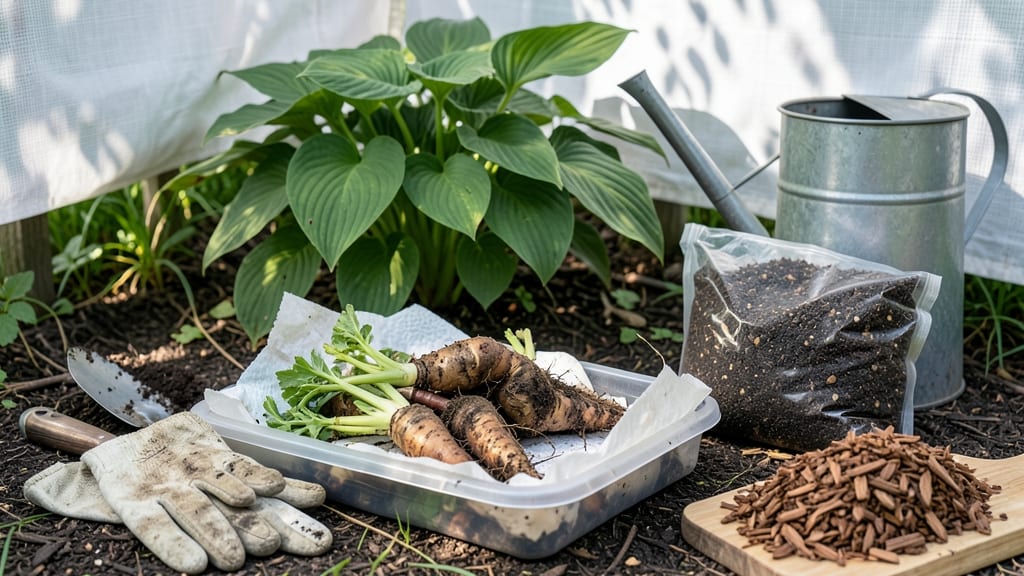
Timing is everything when it comes to planting the hosta bulbs in Zone 9—get it wrong, and your plants might struggle to take root in the heat.
Unlike cooler climates, Zone 9’s warm winters and long summers mean you’ve got a narrow window to plant these shade-loving perennials for the best results.
Most gardeners assume spring is the only option, but in Zone 9, late summer to early fall (August-September) is actually the sweet spot. Why? Because the soil stays warm enough to encourage root growth without the stress of summer’s peak heat or winter’s chill.
I’ve seen firsthand how a few extra weeks of careful planning can transform hostas from wilting newcomers to thriving, lush additions to your garden. Let’s break down the best months, soil prep tips, and how to avoid common mistakes that could sabotage your hostas before they even get started.
Whether you’re a seasoned gardener or just starting with hosta rhizomes, these insights will help you plant with confidence—so you can enjoy those gorgeous leaves all year long without the guesswork.
Optimal planting months for hosta bulbs in Zone 9’s warm climate
Zone 9 gardeners enjoy frost-free growing seasons, but timing still matters when planting hosta rhizomes (often mistakenly called bulbs). Unlike true bulbs, hostas grow from rhizomes, and their planting window focuses on avoiding summer heat stress while maximizing root establishment.
The ideal planting months for Zone 9 are late summer to early fall—typically between August and September. This timing lets rhizomes establish roots before hot, dry spells arrive, ensuring they’re ready for winter dormancy without stress.
Soil temperatures play a critical role. Hostas thrive when soil stays between 60°F and 70°F during planting. In Zone 9, this usually aligns with late summer when daytime highs begin cooling slightly and evening temperatures drop.
While spring planting is possible, it’s riskier in Zone 9. Planting in April or May exposes young rhizomes to intense summer heat before roots can anchor. If you must plant in spring, choose early April and prioritize shade and moisture to protect tender growth.
Here’s how the two seasons compare for hosta rhizome planting in Zone 9:
| Season | Best Months | Soil Temp Ideal | Root Establishment Risk | Key Consideration |
|---|---|---|---|---|
| Fall | August–September | 60°F–70°F | Low (cooler temps) | Rhizomes establish before winter |
| Spring | Early April (only) | 55°F–65°F | High (summer heat stress) | Requires extra shade/mulch |
For Zone 9 gardeners, fall planting is the gold standard. By late September, rhizomes have 4–6 weeks to develop roots before cooler winter temps slow growth. This head start means faster spring emergence and healthier foliage throughout the year.
If you’re buying bare-root hostas, plant them as soon as possible after purchase. These rhizomes dry out quickly, so soak them for 1–2 hours in water before planting to revive dormant roots. Store them in a cool, shaded spot if you can’t plant immediately.
Pro tip: Mark your calendar for September 15th—this is the last ideal date for fall planting in most of Zone 9. After this, soil cools too much, and rhizomes may rot before spring.
Remember, hostas are rhizomes, not bulbs, so they don’t need the same depth as true bulbs. Plant them just 1–2 inches deep with the top slightly exposed to prevent rot. Mulch heavily after planting to retain moisture and protect from heat spikes.
🌿
Optimal planting months for hosta bulbs in Zone 9’s warm climate
Hostas thrive in Zone 9’s mild winters and hot summers, but timing your planting is crucial. Unlike true bulbs, hostas grow from rhizomes—thick underground stems that need specific conditions to establish roots.
In Zone 9, the ideal window stretches from late summer to early fall, when soil stays warm but extreme heat has eased.
Most gardeners in Zone 9 plant hosta rhizomes between August and early September. This timing lets roots grow before summer’s intense heat fades, avoiding the stress of establishing in peak summer temperatures.
For those who miss this window, early spring planting (March-April) is a second option, though it requires extra care to prevent drought stress.
Here’s why timing matters: Hostas need 60-70°F soil temperatures to root effectively. In Zone 9, summer soil can exceed 90°F, shocking new rhizomes. Fall planting gives roots time to settle before winter’s mild chill sets in.
| Season | Best Months | Soil Temp | Pros | Cons |
|---|---|---|---|---|
| Fall | August-September | 60-75°F | Roots establish before winter | Late planting risks heat stress |
| Spring | March-April | 55-65°F | Avoids summer drought | Requires frequent watering |
For container-grown hostas, you can plant anytime, but fall remains best. Containers dry out faster in Zone 9’s heat, so ensure well-draining mix with 30% organic matter. Mulch with 2-3 inches of shredded bark to retain moisture and regulate soil temperature.
Pro tip: If planting in late summer, choose smaller rhizomes (1-2 inches wide). Larger ones may dry out before roots establish. Water deeply every 3-4 days for the first month to encourage root growth.
Zone 9’s lack of frost means hostas stay active year-round, but they still benefit from a cool-season rest period. Planting in fall lets them slow growth naturally without shock, setting up vibrant spring foliage.