
Plants
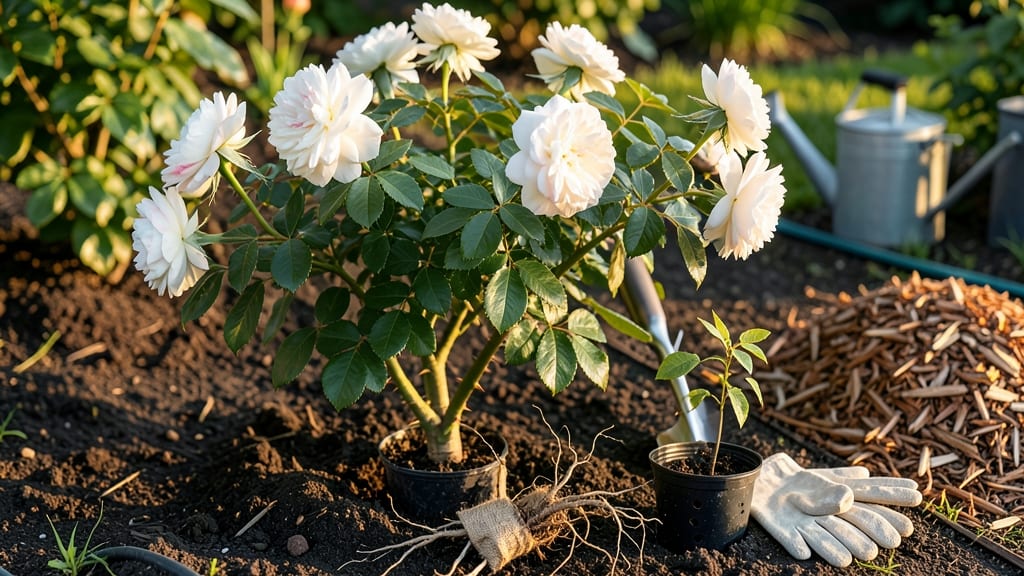
Planting your Iceberg Roses 🌹 at the wrong time in South Africa could mean the difference between a thriving garden and struggling plants—especially when frost risks lurk in inland areas while coastal zones enjoy milder winters.
If you've ever wondered why some gardens bloom beautifully while others struggle, the answer often lies in timing. For Iceberg Roses, getting the planting window right—typically between August and September—sets the stage for stunning year-round blooms.
But regional climate differences mean coastal gardeners in Cape Town have more flexibility than those in Johannesburg's frost-prone zones.
I'll walk you through the exact frost-free deadlines for your area, soil prep secrets, and how to adjust your schedule based on temperature forecasts. No more guessing whether your Iceberg Roses will survive the season—just science-backed planting strategies tailored to South Africa's diverse climates.
Whether you're battling unexpected cold snaps or coastal heatwaves, these insights will help you plant with confidence. Let's get your garden ready for those show-stopping blooms all year long.
Optimal planting months for iceberg roses in South Africa’s coastal vs inland zones
South Africa’s diverse climates make timing your iceberg rose planting critical—coastal regions like Cape Town enjoy mild winters, while inland areas like Johannesburg face frost risks. The key is planting after the last frost date, typically mid-August to early September for most zones.
This aligns with spring’s warming soil and longer daylight, giving roots time to establish before summer heat arrives.
In USDA Zones 9a-10b, iceberg roses thrive year-round, but frost-sensitive areas (like Pretoria) should wait until soil temperatures reach 15°C (59°F). Coastal gardeners can plant as early as July since frost is rare, while inland gardeners should delay until September to avoid cold snaps.
Always check local frost forecasts for precision.
🌹 Iceberg Rose Planting Zones Comparison
| Region | Climate Type | Ideal Planting Months | Soil Temp Threshold | Key Risks |
|---|---|---|---|---|
| Coastal (Cape Town, Durban) | Mediterranean | July–August | 12°C (54°F) | Salt spray, summer drought |
| Inland (Johannesburg, Pretoria) | Highland | September–October | 15°C (59°F) | Frost, cold snaps |
| Western Cape (Stellenbosch) | Maritime | August | 13°C (55°F) | Windburn, coastal fog |
For coastal gardeners, prioritize July planting to capitalize on winter rains and avoid summer heat stress. Inland areas should aim for September to ensure roots establish before winter dormancy.
Always amend soil with compost to improve drainage—iceberg roses hate soggy roots. Mulch with pine needles to retain moisture and insulate roots during temperature swings.
Pro tip: Use a soil thermometer to confirm readiness. Iceberg roses perform best when soil stays above 10°C (50°F) consistently. In frost-prone zones, plant near south-facing walls to create a microclimate that traps heat. This simple trick can extend your growing season by 2-3 weeks.
If you’re in a transition zone (e.g., Paarl or Franschhoek), err on the side of caution and plant in late August. These areas experience light frosts but benefit from cooler coastal influences. Monitor SA Weather Service alerts for unexpected cold snaps, which can damage young seedlings.
Once planted, water deeply every 3-5 days to encourage root growth. Avoid overhead watering to prevent fungal diseases like black spot, a common issue in South Africa’s humid summers. Instead, use a drip irrigation system or water at the base of the plant.
Iceberg roses reward patience with continuous blooms from spring to autumn, but timing is everything. Coastal gardeners can push the envelope with June plantings if soil is warm enough, while inland gardeners should never plant before September 15.
Always choose a sunny, sheltered spot—these roses need 6+ hours of direct sunlight daily to thrive.
For container gardening, plant in well-draining pots and use a lightweight potting mix with perlite. Containers warm up faster than garden beds, so you can plant 2-4 weeks earlier than in-ground roses. Just ensure pots have drainage holes to prevent root rot—a common killer in South Africa’s summer downpours.
Remember: Iceberg roses are frost-tender but heat-loving. Balance early planting with protection strategies like frost cloth or mulch blankets if late frosts threaten. With the right timing, you’ll enjoy vibrant blooms from October through April, turning your garden into a fragrant paradise. 🌿
Optimal planting months for iceberg roses in South Africa’s coastal vs inland zones
South Africa’s diverse climate means your iceberg rose planting window depends heavily on whether you’re in coastal Cape Town or inland Johannesburg. Coastal areas enjoy Mediterranean winters with rare frost, while inland regions face cold snaps below 5°C that can damage young roots.
Aim for spring planting (August-September) when soil warms above 15°C—this gives roots time to establish before summer heat arrives.
In Cape Town (Zone 9b-10a), you can plant as early as late July if nights stay above 10°C. The Western Cape’s mild winters mean fewer frost risks, but windburn can stress seedlings.
Inland areas like Johannesburg (Zone 8a) should wait until mid-September to avoid late-winter frosts that can kill tender new growth.
| Region | Best Planting Window | Soil Temp Threshold | Key Risk |
|---|---|---|---|
| Coastal (Cape Town) | Late July - Early September | 12-15°C | Windburn, salt spray |
| Inland (Johannesburg) | Mid-September - Early October | 15-18°C | Late frosts, cold snaps |
| KwaZulu-Natal Coast | August - September | 13-16°C | Humidity, fungal diseases |
For coastal gardeners, prioritize well-draining soil to prevent root rot from winter rains. Inland plantings benefit from elevated beds or south-facing slopes to capture warmth. Always check your local agricultural extension service for frost alerts—even a single 2°C night can set back young iceberg roses by weeks.
If you miss the ideal window, container planting lets you delay until spring. Use black plastic pots to absorb heat and protect roots. Just ensure containers have drainage holes—iceberg roses hate soggy roots.
For ground planting, amend soil with compost and perlite to improve drainage in heavy clay soils common in Gauteng.
Pro tip: Plant bare-root iceberg roses in early spring (August) for maximum root development before summer. If using container-grown plants, wait until soil reaches 18°C—they’re less frost-tolerant. Coastal gardeners can push it to late July, but inland areas should never plant before September.
Remember, iceberg roses thrive in full sun—choose a spot with 6+ hours of direct light daily. Coastal areas get intense summer sun, while inland zones need protection from afternoon heat. A light shade cloth during peak summer can prevent leaf scorch in both regions.