
Plants
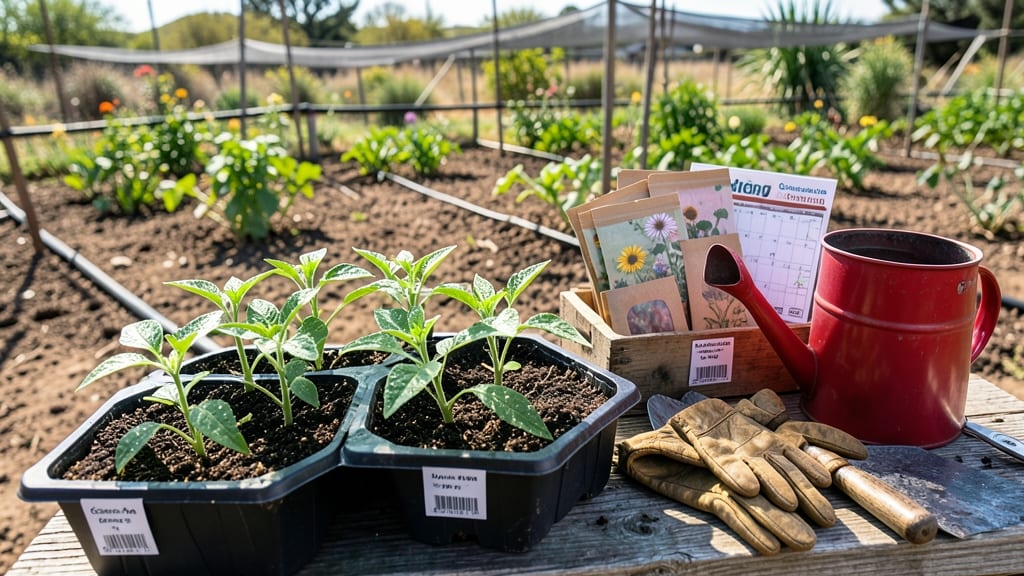
Figuring out when to plant in New Mexico can feel like solving a puzzle—especially when your neighbor in Albuquerque swears by March starts while someone in Taos is still shoveling snow.
The truth? Your elevation zone dictates everything, from frost dates to the best months for tomatoes, chiles, or drought-resistant natives.
New Mexico’s dramatic shifts—from the Rio Grande Valley’s warm winters to the high desert’s crisp springs—mean planting too early or late can spell disaster for your 🌱.
Whether you’re in Zone 5 or Zone 9, I’ll break down the exact windows for cool-season crops, summer monsoons, and fall harvests so you never miss a beat.
Skip the guesswork and learn how to align your garden with New Mexico’s unique microclimates. We’ll cover everything from soil prep to succession planting, so your greens thrive whether you’re at 4,000 feet or 7,000 feet above sea level.
Ready to turn your backyard into a productive oasis? Let’s dive into the precise months that’ll have your plants flourishing—no more trial and error, just proven success.
New Mexico planting calendar by elevation Zone (low to high desert)
New Mexico’s low desert regions (below 5,000 ft, like Albuquerque and Las Cruces) have longer growing seasons but also intense summer heat. The key is timing cool-season crops for fall/winter and heat-tolerant plants for late spring/summer.
First frost typically hits mid-November, while last frost averages mid-March—but these dates shift yearly.
For vegetables like tomatoes and peppers, wait until April 15–May 1 when soil temps reach 60°F+. Leafy greens (spinach, lettuce) thrive in September–October or February–March to avoid bolting. Native plants like chiles and yucca adapt easily but need well-draining soil to prevent rot.
Here’s your month-by-month breakdown for low desert zones, including ideal planting windows and crop-specific tips:
| Month | Cool-Season Crops | Warm-Season Crops | Flowers/Herbs | Soil Prep Tip |
|---|---|---|---|---|
| February | Spinach, peas, broccoli | — | Calendula, parsley | Add compost; mulch to retain moisture |
| March | Lettuce, kale, onions | Tomato starts indoors | Basil, marigolds | Test soil pH (aim for 6.0–7.0) |
| April | Radishes, carrots | Peppers, eggplant (after last frost) | Zinnias, cilantro | Water deeply 2x/week |
| May | — (too hot for greens) | Corn, beans, cucumbers | Sunflowers, rosemary | Mulch with straw to cool roots |
| June–August | — | Okra, sweet potatoes, melons | Lavender, thyme | Shade cloth for seedlings |
| September | Kale, Brussels sprouts, cabbage | Tomatoes (late varieties) | Asters, dill | Fertilize with low-nitrogen mix |
| October | Spinach, peas, garlic | — | Pansies, chives | Cover soil with mulch for winter |
Pro tip: Use succession planting for bush beans and lettuce every 2–3 weeks in spring/fall to ensure continuous harvests. Drought-tolerant crops like chiles and prickly pear thrive with minimal water once established—perfect for New Mexico’s arid climate.
For container gardening, start herbs like oregano and rosemary in March and move pots to shaded areas by June to prevent wilting. Native pollinators (like desert bumblebees) will reward you with bountiful blooms if you plant native wildflowers alongside your veggies.
Monitor soil moisture closely—low desert soils dry out fast. A soil moisture sensor or the "squeeze test" (grab a handful; if it crumbles, water!) works wonders. Drip irrigation at the base of plants (not overhead) saves water and reduces fungal diseases.
Don’t overlook microclimates: A north-facing wall might stay 10°F cooler than open ground, extending the season for heat-sensitive crops like cucumbers. Use this to your advantage by planting cool-loving crops near shaded structures in late summer.
Remember: New Mexico’s monsoon season (July–August) brings sudden downpours. If you’re planting seeds outdoors during this time, use biodegradable pots or direct-sow into raised beds to avoid soil erosion
High-elevation planting guide for New Mexico mountains (5,000–8,000 ft)
Growing a garden in New Mexico’s high-elevation zones like Taos or Santa Fe means working with cooler temperatures and shorter growing seasons. The first frost can arrive as early as September, so timing is everything.
Unlike the low desert, these areas benefit from early starts and cold-hardy varieties to beat the clock. Let’s break down the best strategies for success at elevations between 5,000 and 8,000 feet.
Cooler nights and thinner air demand adjustments like succession planting and protective covers. Start cool-season crops indoors in late February or early March, then transplant outdoors after the last frost—typically April 15 to May 1.
For warm-season crops, wait until soil temperatures reach 60°F, usually around mid-May. Native plants like blue grama grass or yarrow thrive here with minimal intervention.
🌱 Key Highlights for High-Elevation Planting
- Start cool crops indoors by late February for transplanting in April.
- Use row covers to extend the season by 2–4 weeks.
- Choose cold-hardy varieties like kale, spinach, and peas.
- Wait for soil warmth (60°F+) for tomatoes, peppers, and squash.
- Mulch heavily to retain moisture in thin mountain air.
For warm-season crops, focus on succession planting every 2–3 weeks from June through July. This ensures a continuous harvest before the first frost. Consider greenhouses or cold frames to start seedlings earlier or protect tender plants.
Drought-resistant varieties like New Mexico chiles or Russian olive are excellent choices for these elevations.
Watering is critical—high elevations mean faster evaporation. Deep watering 2–3 times per week is better than daily shallow watering. Early morning is ideal to reduce evaporation and fungal risks. Monitor soil moisture closely, as the thin air can dry out plants quicker than expected.
✂️ Pro Tip
Use straw mulch around plants to lock in moisture and regulate soil temperature. This is especially helpful in July and August when daytime heat spikes but nights stay cool.
Finally, pay attention to microclimates. South-facing slopes warm up faster, while north-facing areas stay cooler. Adjust planting times accordingly. With the right approach, high-elevation gardens can be just as productive as their lowland counterparts—sometimes even more so, thanks to the cooler growing conditions.
🌿