
Plants
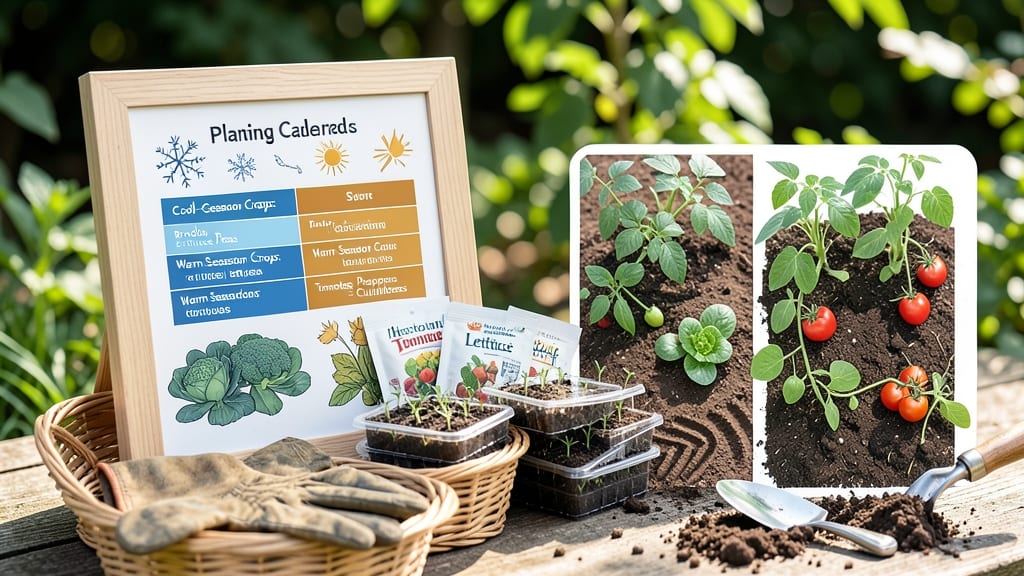
Timing your General Planting Guide for South Carolina🌱 just right could mean the difference between a thriving garden and a sad, wilted disappointment. South Carolina’s 7b-8b climate zones might sound simple, but frost dates vary wildly—from Charleston’s early February thaw to Greenville’s late March chill.
Get it wrong, and your tomatoes could turn to mush before they ripen.
You don’t need a PhD in agriculture to nail your planting schedule, though. Whether you’re dreaming of juicy peaches in the Upstate or zesty okra along the coast, I’ve broken down the perfect windows for every crop—cool-season greens, heat-loving veggies, and everything in between.
No more guessing games, just actionable advice tailored to your county’s last frost date.
Let’s start with the basics: when to plant in SC isn’t just about months—it’s about microclimates. Coastal areas warm up faster than the Piedmont, and elevation plays a sneaky role too.
I’ll show you exactly when to pop those seeds in the soil (or under row covers) for maximum success, so you can enjoy fresh harvests from April to November.
Ready to transform your backyard into a year-round edible oasis? Stick around—I’ll walk you through the best plants for each season, pro tips to beat frost, and how to keep your soil happy in SC’s humid heat. Your future self (and your dinner plate) will thank you.
SC last frost dates by county: your planting timeline
South Carolina’s last frost dates vary dramatically from the coastal plains to the Upstate mountains, creating a 2-4 week difference in planting windows. Charleston’s mild winters mean you can plant cool-season crops as early as February 15, while Greenville gardeners wait until March 15—sometimes even later.
These variations directly impact when to sow seeds, transplant seedlings, and harvest before the first frost hits in November.
Understanding your local frost dates is critical because planting warm-season crops like tomatoes or peppers too early can kill young plants, while cool-season crops like broccoli or spinach planted too late may bolt or struggle.
Below, we’ve broken down the average last frost dates by region, along with the best planting windows for your favorite crops. Use this as your guide to avoid common mistakes like frost damage or wasted seed packets.
| Region | Last Frost Date | First Frost Date | Best Planting Window | Key Crops |
|---|---|---|---|---|
| Coastal (Charleston, Beaufort) | Feb 15 - Mar 1 | Nov 15 - Nov 30 | Feb 1 (cool-season) / Mar 15 (warm-season) | Tomatoes, Peppers, Okra, Sweet Potatoes |
| Midlands (Columbia, Orangeburg) | Mar 1 - Mar 15 | Nov 1 - Nov 15 | Feb 15 (cool-season) / Mar 22 (warm-season) | Collards, Kale, Eggplant, Peas |
| Upstate (Greenville, Spartanburg) | Mar 15 - Apr 1 | Oct 31 - Nov 15 | Mar 1 (cool-season) / Apr 15 (warm-season) | Blueberries, Strawberries, Corn, Cucumbers |
| Piedmont (Anderson, Greer) | Mar 22 - Apr 1 | Oct 20 - Nov 1 | Mar 15 (cool-season) / Apr 22 (warm-season) | Carrots, Beets, Basil, Squash |
If you’re unsure about your exact last frost date, check the USDA Plant Hardiness Zone Map for your county—most of SC falls in Zone 7b-8b. For example, Charleston (Zone 8a) has a longer growing season than Greenville (Zone 7b), so you can push your planting windows earlier.
Always err on the side of caution: warm-season crops should wait until 2-3 weeks after your last frost date to avoid chilling injury.
For cool-season crops, start seeds 4-6 weeks before your last frost date indoors or use row covers to extend the season. In the Upstate, where frosts linger longer, consider cold-hardy varieties like kale or broccoli, which can tolerate light frosts.
Meanwhile, coastal gardeners can enjoy year-round harvests of spinach and lettuce with minimal protection.
Pro tip: Use a garden journal to track your local frost dates over 3-5 years. Weather patterns shift, and your microclimate (e.g., near a lake or hill) can delay or advance frosts.
For instance, low-lying areas often frost earlier than higher elevations. Plant temperature-sensitive crops like tomatoes on the south side of your yard to capture extra warmth.
Remember, first frost dates are just as important as last frosts. In November, start pulling up annuals and tender perennials before temperatures dip below 32°F. Bulbs like tulips should be planted by mid-October to establish roots before winter.
By planning ahead, you can maximize your growing season and avoid the heartbreak of frost-killed plants.
Need a quick reference? Bookmark this guide and check back before planting. Your tomatoes, peppers, and herbs will thank you for timing it just right! 🌱
Best plants to grow in SC by season: what to plant when
South Carolina’s mild winters and long growing season let you grow a year-round garden. But knowing what to plant when is key—especially with humidity and heat shaping your choices. Here’s a seasonal breakdown of the best plants for your SC garden, from cool-season greens to heat-loving tomatoes.
For spring planting (after last frost), focus on warm-season crops like tomatoes, peppers, and okra. These thrive in 80°F+ temperatures and 6+ hours of sun. Meanwhile, fall planting (August–October) lets you grow cool-season favorites like kale, spinach, and carrots before winter sets in.
🌱 Seasonal Planting Guide for SC
- Spring (March–May): Tomatoes, Peppers, Cucumbers, Squash, Basil
- Summer (June–July): Okra, Sweet Potatoes, Southern Peas, Melons
- Fall (August–October): Kale, Spinach, Carrots, Broccoli, Lettuce
- Year-Round (with care): Strawberries, Herbs (Cilantro, Parsley), Microgreens
💡 Pro Tip: Use succession planting for fast growers like lettuce or radishes to maximize harvests.
If you’re in coastal SC, prioritize heat-tolerant varieties like ‘Celebrity’ tomatoes or ‘Creole’ okra. Upstate gardeners can plant earlier (as early as February) for cool-season crops like onions and cabbage.
Always check your local last frost date—Charleston’s is February 15, while Greenville’s is March 15.
Don’t forget perennials and native plants! Blueberries, azaleas, and butterfly bushes thrive in SC’s acidic soil and humid climate. Plant them in early spring (March–April) for established roots before summer heat arrives. Mulch heavily to retain moisture and suppress weeds.
For container gardening, opt for compact varieties like ‘Patio’ tomatoes or ‘Baby Bok Choy’. These grow well in 5-gallon pots and let you adjust planting times based on your balcony’s microclimate. Just ensure pots have drainage holes to avoid root rot in SC’s summer downpours.
Start herbs like basil and cilantro from seeds in late winter (February) for early harvests. They bolt quickly in 90°F+ heat, so provide afternoon shade in July. Strawberries are another year-round winner—plant bare-root plants in December or potted ones in March for spring fruiting.