
Plants
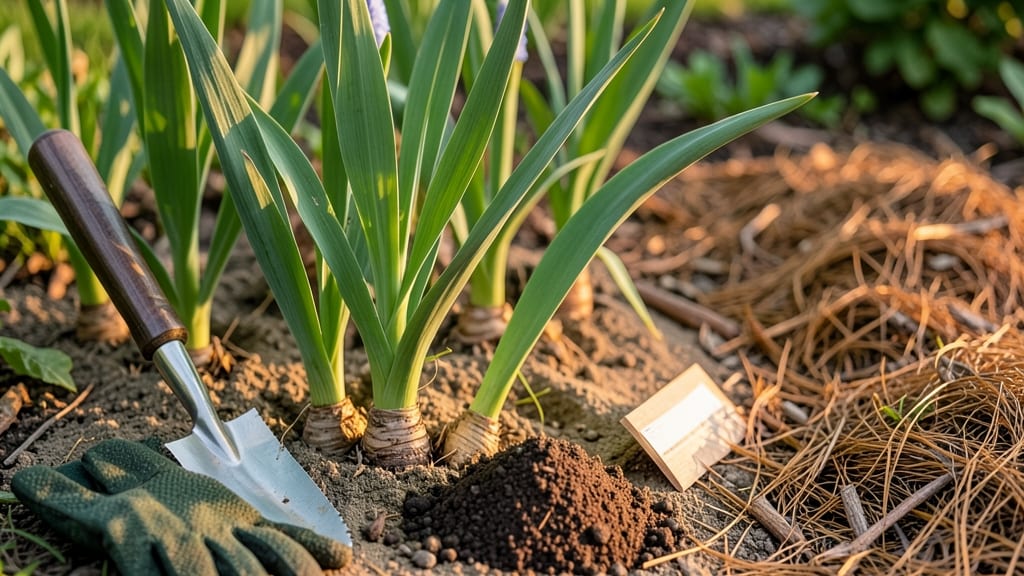
Timing your iris bulb planting in Kansas can make or break your garden's success—especially in USDA Zones 5b-7a, where frost dates shift unpredictably. If you plant too early, your rhizomes might rot; too late, and they won’t establish roots before winter.
The perfect window is late summer to early fall, but Kansas’ variable climate means you’ve got to be precise.
I’ve seen firsthand how a 3-week difference in planting can turn a thriving iris patch into a sad, frozen mess. That’s why I’m sharing the exact deadlines for Kansas—when to dig those 🌸 rhizomes into well-draining soil and how to adjust for your specific zone.
Skip the guesswork and get it right the first time.
Beyond just the calendar, we’ll cover soil prep, frost-free tricks, and how to spot Kansas’ microclimates that can push your planting window earlier or later. Whether you’re a first-timer or a seasoned gardener, these insights will help your iris bulbs take root like a pro.
Ready to transform your garden? Let’s break down the step-by-step timing so your irises bloom bold and beautiful next spring—no frost surprises included.
Optimal planting windows for Kansas iris bulbs by month and Zone
Iris bulbs—technically called rhizomes—thrive in Kansas' USDA Zones 6-7 when planted during their ideal 4-week window before the first frost. For most of Kansas, this means late August through mid-September, but timing shifts slightly between northern and southern regions.
Let’s break down the exact deadlines and strategies to ensure your irises establish strong roots before winter.
First, understand that Kansas’ first frost dates vary dramatically. Northern zones (like Zone 6b) may see frost as early as October 10, while southern zones (like Zone 7a) can delay until October 25.
Planting 3-4 weeks before these dates gives rhizomes enough time to root deeply before dormancy.
If you miss the fall window, don’t panic! Iris rhizomes can also be planted in early spring (March–April), but this method carries higher risks of rot or pest damage if planted too early. Spring planting is best for dividing existing clumps rather than establishing new ones.
| Zone & Region | Ideal Planting Window | Last Chance (Risky) | Spring Alternative |
|---|---|---|---|
| Zone 6b (North: Hays, Salina) | August 15–September 15 | September 20 (high risk) | March 15–April 10 |
| Zone 6a (Central: Manhattan, Topeka) | August 20–October 1 | October 5 (high risk) | March 20–April 15 |
| Zone 7a (South: Wichita, Garden City) | September 1–October 10 | October 15 (high risk) | March 25–April 20 |
| Pro Tip | Check local frost dates via Almanac’s Kansas Frost Calculator for precision. | ||
For maximum success, aim to plant when soil temperatures drop to 60–65°F—this signals rhizomes to start rooting without sprouting too early. In Kansas, this typically aligns with late August to early September.
Use a soil thermometer to confirm; if temps are above 70°F, wait a week or two.
Another critical factor is moisture availability. Kansas’ fall weather can be unpredictable, with sudden dry spells or early rains. After planting, water deeply to settle soil and keep rhizomes moist for the first 2–3 weeks.
Mulch with 2–3 inches of straw to retain moisture and insulate roots during temperature swings.
If you’re in a drier region (like western Kansas), prioritize planting in September to avoid summer drought stress. In wetter areas (eastern Kansas), August planting reduces the risk of waterlogged soil, which can rot rhizomes. Always plant in well-draining soil—even Kansas’ fertile prairie soil can become compacted.
For gardeners in Zone 6b, where winters are harsher, consider covering newly planted rhizomes with a thin layer of mulch (1–2 inches) to protect them from early frosts. In Zone 7a, mulch helps regulate soil temps during warm spells that can wake dormant rhizomes too soon.
One common mistake is planting iris rhizomes too deep. They should sit half above soil to prevent rot. In Kansas’ clay-heavy soils, amending planting holes with sand or perlite improves drainage. Pair this with a slightly raised bed if your yard has poor drainage.
Finally, mark your calendar for next year’s blooms: iris rhizomes planted in fall will typically flower in late spring (May–June). The key is giving them 6–8 weeks of root growth before winter sets in—so don’t delay!
Optimal planting windows for Kansas iris bulbs by month and Zone
In Kansas' USDA Zones 6-7, timing your iris rhizomes (not true bulbs) is critical—plant too early and they rot; too late and they won't establish before winter.
The ideal window is late summer to early fall, specifically August through September, when soil temperatures drop but frost hasn't arrived.
For Zone 6 gardeners (northern Kansas), aim for mid-August to early September—this gives rhizomes 6-8 weeks to root before the first frost (typically mid-October). In Zone 7 (southern Kansas), you have slightly more flexibility, with late August to mid-October as your safe range.
⚠️ NON-NEGOTIABLE: Plant 4-6 weeks before frost. Use your local Kansas frost date map (available from Kansas State University Extension) to calculate your exact deadline. For example, Wichita (Zone 7a) can plant until October 15, while Manhattan (Zone 6a) should finish by September 20.
| Zone | Ideal Planting Window | Soil Temp Goal | Key Consideration |
|---|---|---|---|
| 6a (North KS) | Mid-August - Early Sept | 55-65°F | First frost Oct 15; rush planting |
| 6b (Central KS) | Late August - Mid-Sept | 50-60°F | Soil cools faster; test depth |
| 7a (South KS) | Late August - Mid-Oct | 55-68°F | Later frost dates; extend window |
| 7b (Southeast KS) | September - Early Nov | 60-70°F | Longest window; monitor weather |
If you miss the fall window, late winter planting (February) is your second chance—but only if the ground isn't frozen. In Kansas, this means after the last hard frost (usually mid-February) but before bud break (early April).
The risk? Spring drought can stress newly planted rhizomes, so prioritize consistent moisture.
Pro tip: Divide existing clumps in early summer (June) to propagate your collection. Store divided rhizomes in a cool, dry place until your fall planting window opens. This ensures you have healthy stock ready for the optimal August-September timeline.
Remember: Iris rhizomes need time to establish roots—rushing the process leads to weak plants and fewer blooms next spring. Plan ahead, check your local frost dates, and you'll enjoy vibrant iris blooms from May through June! 🌸