
Plants
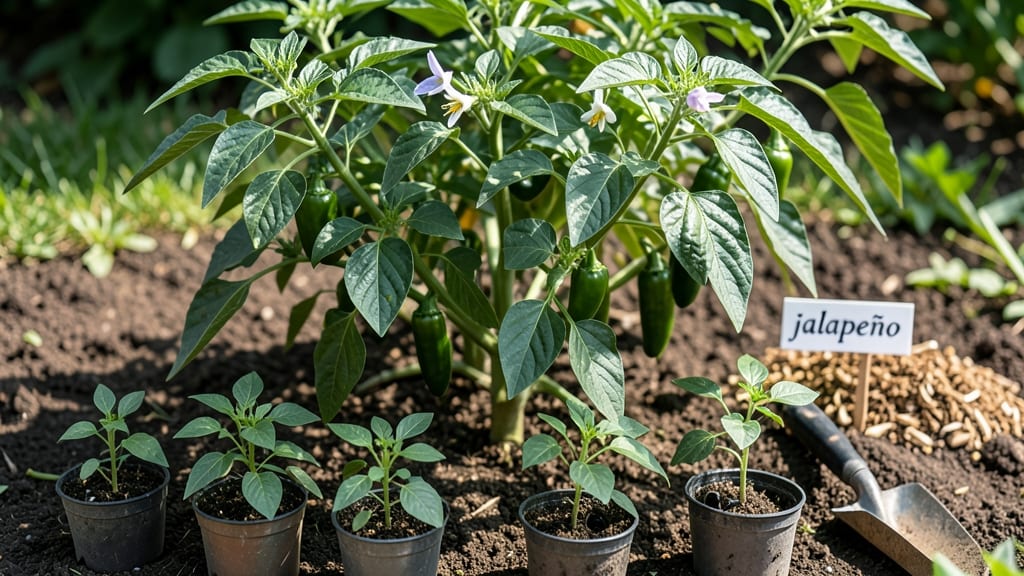
Timing your jalapeño planting in Arkansas is the difference between a fiery harvest and a wasted season—get it wrong, and you’ll either lose plants to frost or watch them wilt in summer’s brutal heat. These 🌶️ peppers crave warmth, but Arkansas’s unpredictable spring and sweltering summers demand precision.
Most gardeners in zones 7a-8a swear by two planting windows: March-April (after last frost) for spring harvests or August-September for fall crops. But with Arkansas’s humidity and soil that warms slowly, even experienced growers hesitate—should they start seeds indoors or risk direct sowing?
I’ve tested both methods in Arkansas’s clay-heavy soil and learned the secrets to thriving plants: when to mulch for heat retention, how to harden off seedlings against sudden storms, and which companion plants (like basil or marigolds) keep pests at bay.
Let’s break down the exact steps to turn your garden into a jalapeño powerhouse.
From soil temperatures to city-specific frost dates, you’ll discover how to outsmart Arkansas’s climate and enjoy June-July harvests—or even stretch your season into October. Ready to grow peppers that actually survive the heat?
Arkansas jalapeño planting calendar: frost dates, soil temps, and heat zones
Arkansas’s USDA zones 6b–8a create a perfect balance for growing jalapeños, but timing is critical.
The last frost date typically falls between March 15 and April 15, depending on your location—Little Rock leans toward April 1, while southern Arkansas (like Hot Springs) can plant as early as March 15.
These peppers thrive in 70°F+ soil temperatures, so waiting for warm ground is non-negotiable.
Jalapeños are heat-loving plants, but Arkansas’s humidity and summer heat can stress them if planted too late. The ideal window is 2–4 weeks after your last frost date, ensuring they have 60–90 days of warm weather before fall’s first frost (mid-November).
For northern Arkansas (zone 6b), aim for late April to early May; southern regions (zone 8a) can start as early as mid-March.
Black plastic mulch is my secret weapon for Arkansas gardens—it warms soil 5–10°F faster than bare earth, giving jalapeños a head start. Lay it down 1–2 weeks before planting to jumpstart growth. Pair this with well-draining soil (amend with compost if needed) to prevent root rot, a common issue in Arkansas’s clay-heavy soils.
Arkansas Jalapeño Planting Guide by Region
| Region | USDA Zone | Last Frost Date | Ideal Planting Window | Soil Temp Goal |
|---|---|---|---|---|
| Northern AR (Fayetteville) | 6b | April 15 | May 1–15 | 70°F+ |
| Central AR (Little Rock) | 7a | April 1 | April 15–May 1 | 70°F+ |
| Southern AR (Hot Springs) | 8a | March 15 | March 30–April 15 | 65°F+ |
| Southeast AR (El Dorado) | 8a | March 1 | March 15–April 1 | 65°F+ |
🌱 Pro Tip: Use a soil thermometer to confirm temps—jalapeños won’t thrive below 60°F.
For fall harvests, Arkansas gardeners can plant jalapeños as late as August 1–15, giving them time to mature before first frost (mid-November). This late-summer planting strategy works best in zones 7–8 and yields peppers ready to pick by October.
Just be prepared for shorter daylight hours—supplemental grow lights can extend the season if needed.
Arkansas’s humidity levels (often 70–90%) can encourage fungal diseases like powdery mildew, so spaced planting (18–24 inches apart) and good airflow are essential. Avoid overhead watering, and always water at the base of the plant in the morning to let foliage dry quickly.
This simple habit can double your harvest by preventing disease.
If you’re in zone 6b (like northwest Arkansas), consider container gardening for jalapeños. Pots warm up faster in spring and can be moved to protected spots if frost threatens. Use 5-gallon containers with drainage holes and a lightweight potting mix to mimic Arkansas’s well-draining soils.
Don’t forget companion planting! Jalapeños pair beautifully with basil, marigolds, and onions in Arkansas gardens. These plants repel pests like aphids and spider mites, which love jalapeño leaves. Avoid planting near fennel or dill, as they can stunt pepper growth.
Finally, mark your jalapeño planting dates on a garden calendar—Arkansas’s weather is unpredictable, and a late frost in May or early heatwave in April can derail your harvest. When in doubt, wait until soil temps hit 70°F and the nighttime lows stay above 55°F for consistent growth.
Transplanting vs. direct sowing jalapeños: Arkansas-specific strategies for success
Deciding whether to transplant jalapeño seedlings or direct sow seeds in Arkansas depends on your local climate zone and growing season length. In USDA zones 7-8, where Arkansas falls, both methods work—but timing and prep make all the difference.
I’ve tried both, and here’s what’s worked best for me in Little Rock’s heat and Fayetteville’s humidity.
For transplanting seedlings, start seeds 8–10 weeks before your last frost date (typically mid-January to early February for most of Arkansas). This gives them a head start indoors under grow lights or sunny windowsills.
Seedlings need warm soil (60°F+) and full sun once transplanted, so plan to move them outside after May 1 in most areas.
Transplanting Jalapeños
Pros
- 🌱 Longer growing season: Head start means earlier harvest.
- 🌡️ Controlled conditions: Avoid Arkansas’s unpredictable spring frosts.
- 🌿 Stronger seedlings: Hardier plants resist Arkansas’s humidity better.
Cons
- ⏰ Early planning required: Need indoor space and lights.
- 💧 Transplant shock risk: Humidity can stress young plants.
- 🪴 Container limitations: Small pots may stunt root growth.
Direct Sowing Jalapeños
Pros
- 🌱 Simpler process: No need for indoor setup.
- 🌡️ Avoids transplant shock: Seedlings adapt to outdoor conditions gradually.
- 💧 Better for short seasons: Ideal for Zone 7a areas with later last frosts.
Cons
- ⏳ Slower growth: Later harvest in Arkansas’s short growing season.
- 🌧️ Frost risk: Late spring rains or cold snaps can damage young plants.
- 🪴 Weed competition: Requires more manual weeding in Arkansas’s fertile soil.
If you’re in northern Arkansas (Zone 7a), direct sowing after May 15 is your best bet—it gives plants enough time to mature before fall frosts arrive in November. For southern Arkansas (Zones 7b-8a), transplanting in early April maximizes your harvest window.
I’ve also had success with container gardening for transplanting, which lets me move pots to sunny spots or patios if early spring weather turns chilly.
One Arkansas-specific tip: Harden off seedlings gradually over 7–10 days by exposing them to outdoor conditions for increasing lengths of time. Start with 1–2 hours of shade and work up to full sun.
Arkansas’s humidity spikes can shock seedlings, so avoid sudden transitions. Also, use black plastic mulch to warm soil faster—it’s a game-changer for transplanting in cool springs.
For direct sowing, wait until soil temperatures consistently stay above 60°F (use a soil thermometer to check!). In Hot Springs (Zone 8a), this usually happens by mid-April, while Fayetteville (Zone 7a) might need to wait until early May.
Plant seeds ½ inch deep and 12–18 inches apart in well-draining soil amended with compost.
No matter which method you choose, consistent moisture is key—especially in Arkansas’s summer heat. Mulch around plants to retain soil moisture and protect roots from temperature swings.
With the right timing and care, you’ll be harvesting jalapeños all summer long—and maybe even into fall if you’re lucky! 🌶️