
Plants
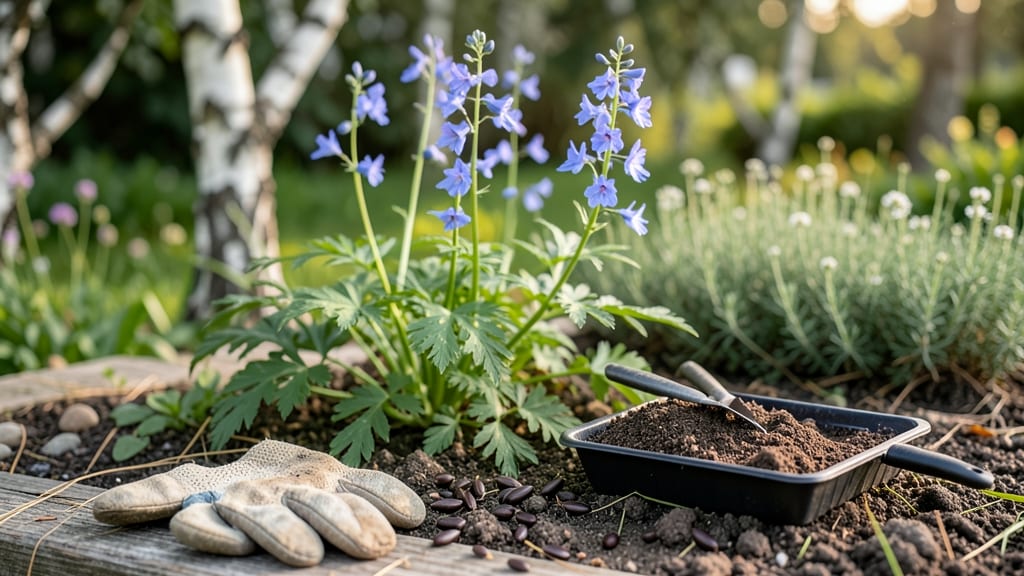
Planting larkspur seeds in Texas at the wrong time could mean watching your vibrant 🌸 dreams wilt before they even bloom. The key to success lies in understanding the frost-free window and heat-zone challenges that make Texas gardens unique.
With USDA zones 8a-10b and unpredictable freezes, timing matters more than most gardeners realize. Whether you're in North Texas or the Gulf Coast, planting too early risks frost damage, while starting too late means battling summer's scorching heat.
I'll show you exactly when to plant—September-October for fall or February-March for early spring—plus how to adjust for your specific region. These strategies will help you beat Texas's toughest gardening challenges.
Ready to transform your garden? Let’s dive into the data-driven timeline that’ll give your larkspur the best shot at thriving in Texas’s extreme conditions.
Texas frost-free zones: best months to plant larkspur seeds by region
Texas’s diverse climate means your larkspur seeds need region-specific timing. North Texas faces harsher freezes, while South Texas battles summer scorching. The key? Plant when soil temps are 55–65°F and avoid extreme heat or frost risks. Let’s break it down by zone to maximize your blooms.
Larkspur thrives in USDA zones 8a–10b, but Texas’s 11 frost-free zones create microclimates. For example, El Paso (Zone 8a) has a longer frost-free window than Houston (Zone 9a). The ideal planting window shifts from September–October (fall) to February–March (early spring), depending on where you live.
Here’s the critical rule: Larkspur seeds won’t germinate in soil hotter than 80°F. In North Texas, wait until after the last frost (typically mid-March) to avoid seed rot. In South Texas, plant in fall (September–October) to beat the summer heat.
Direct seeding is best, but transplants give you a 2-week head start. Start seeds indoors 6–8 weeks before your last frost date if you’re in Zone 8a or colder. For Zones 9a–10b, skip indoor starts—just plant seeds directly in well-draining soil.
| Region | USDA Zone | Last Frost | Best Planting Months | Soil Temp Goal |
|---|---|---|---|---|
| North Texas (Dallas, Fort Worth) | 8a | Dec 15–Jan 15 | Feb–March (spring) or Sept (fall) | 55–65°F |
| Central Texas (Austin, San Antonio) | 8b | Dec 1–Jan 10 | Feb–March or Sept–Oct | 55–65°F |
| South Texas (Houston, Corpus Christi) | 9a | Nov 15–Dec 15 | Sept–Oct (fall only) | 60–70°F |
| West Texas (El Paso, Lubbock) | 8a | Dec 1–Jan 15 | Feb–March (spring) | 50–60°F |
| Gulf Coast (Beaumont, Galveston) | 9b | Nov 1–Dec 10 | Sept–Oct (fall only) | 65–75°F |
⚠️ Pro Tip: Use a soil thermometer to confirm temps before planting!
If you’re in Zone 8a or colder, spring planting (February–March) is safer. But fall planting (September–October) gives you earlier blooms in Zones 9a–10b. The 3-week window after planting is critical—keep soil moist but not soggy to avoid damping off.
For direct seeding, scatter seeds ¼ inch deep in well-draining soil with full sun exposure. In North Texas, add a light mulch to protect seedlings from late frosts. In South Texas, provide afternoon shade to prevent heat stress.
Watch for pests like aphids and
Heat-Zone timeline: how Texas’s summer scorcher affects larkspur germination
Texas’s summer heat is the #1 reason larkspur seeds fail to germinate—temperatures above 85°F can cook seeds before they sprout. Larkspur thrives in cool-season conditions, so timing your planting around Texas’s heat peaks is critical.
The 3-week window after planting is especially delicate, where soil temps above 75°F can halt germination entirely.
Most Texas gardeners focus on frost dates, but heat is just as deadly. Larkspur seeds need soil temps between 60°F-70°F to sprout reliably. In North Texas (USDA Zones 7b-8a), this means planting in early September or late February to avoid the 100°F+ soil of summer.
South Texas (Zones 8b-10b) has a 2-week earlier window—aim for mid-August or January.
Here’s how Texas’s heat zones break down for larkspur germination success:
To beat the heat, use shade cloth (30-50%) over seed beds during the critical 3-week germination window. Water deeply in the morning to keep soil temps stable—avoid evening watering, which traps heat. In South Texas, consider pre-sprouting seeds indoors under grow lights before transplanting in January.
Even with perfect timing, 105°F+ afternoons can stress young seedlings. Mulch with straw or wood chips to insulate roots and retain moisture. If your garden hits 95°F+ soil temps after planting, move seedlings to a shadier spot immediately to prevent bolted growth.
Larkspur is tough, but it won’t forgive Texas heat without these adjustments.
Pro tip: Monitor your soil temp with a $10 digital thermometer—bury it 1 inch deep where you’ll plant. If temps rise above 75°F during the day, delay planting by 2-4 weeks or use shade cloth. Your larkspur will thank you with bold blooms instead of sad, wilted stems.