
Plants
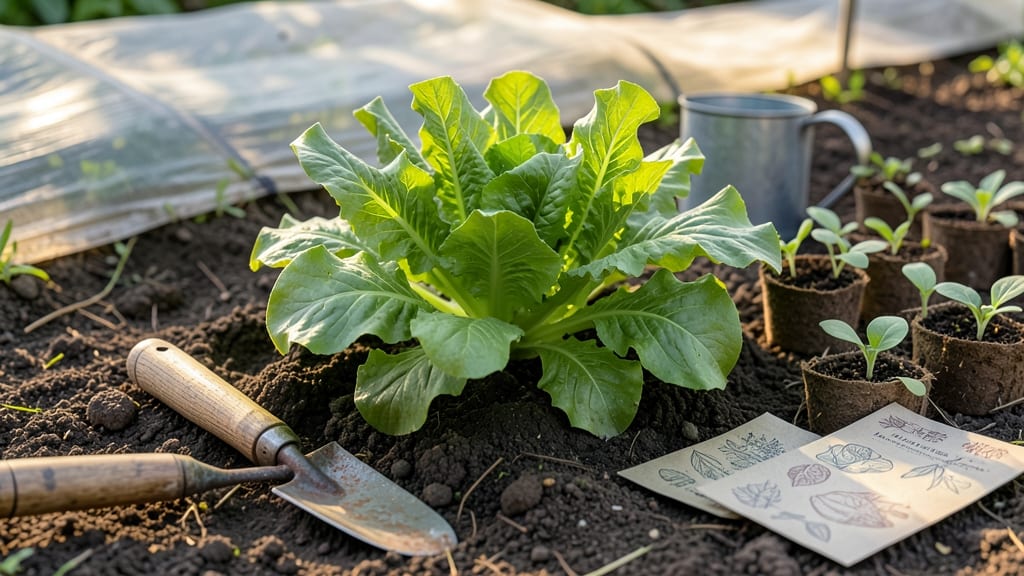
North Florida lettuce planting calendar: exact months for success
North Florida’s USDA Zone 8a-9a climate means lettuce thrives in cool seasons, but timing is everything to avoid bolting. The ideal planting windows are fall, winter, and early spring, when temperatures stay below 80°F. Miss this, and your crisp heads turn bitter or bolt prematurely.
For Jacksonville and coastal areas, aim for September to early November and February to April. Inland cities like Gainesville can push planting to mid-October and late March due to cooler microclimates.
Always check frost dates: North Florida rarely sees frost, but unexpected cold snaps can damage tender seedlings.
Here’s the breakdown of your lettuce planting calendar, including temperature thresholds and microclimate adjustments:
| Season | Planting Window | Temperature Range (°F) | Microclimate Notes |
|---|---|---|---|
| Fall | September 15 – November 1 | 65–80°F (day) / 55–65°F (night) | Coastal areas: Start by Sept 15. Inland: Wait until Oct 1. |
| Winter | December 15 – January 31 | 55–70°F (day) / 45–55°F (night) | Use row covers for unexpected cold snaps below 40°F. |
| Spring | February 15 – April 15 | 60–75°F (day) / 50–60°F (night) | Gainesville: Plant by March 15 to avoid summer heat. |
| Avoid | May – August | Above 85°F | Lettuce bolts or turns bitter. Use shade cloth if attempting summer growth. |
Pro tip: For a continuous harvest, stagger plantings every 2–3 weeks within these windows. This ensures fresh lettuce from fall through spring without gaps. For example, plant one batch in late September, another in mid-October, and a final batch in early November.
North Florida’s humidity and heat spikes can stress lettuce, so monitor soil moisture closely. Aim for consistently moist (not soggy) soil—especially in sandy soils common in Jacksonville. A 1–2 inch mulch layer helps retain moisture and regulate temperature.
If you’re in a warmer microclimate (like near I-10), opt for heat-tolerant varieties like Jericho or Black Seeded Simpson. These can handle short heat waves better than traditional butterhead types. Pair them with afternoon shade for extended harvests.
For container gardening, start seeds indoors 4–6 weeks before your target outdoor date. Use fast-draining pots and place them in partial shade during peak summer months. This lets you transplant seedlings into the garden as soon as temperatures dip below 80°F.
Remember: Lettuce is a cool-season crop, but North Florida’s mild winters mean you can grow it nearly year-round with the right variety and care. The key to success is timing—plant when days are cool but nights stay mild, and you’ll enjoy crisp, homegrown lettuce for months.
🌱
Best heat-tolerant lettuce varieties for North Florida’s climate
North Florida’s humid heat and unpredictable seasons make growing lettuce tricky—but not impossible. The secret lies in choosing heat-tolerant varieties that thrive when temperatures flirt with 85°F+. These varieties won’t bolt (go to seed) prematurely, ensuring crisp, flavorful leaves even in summer’s dog days.
My top 5 heat-resistant lettuce picks for North Florida include Black Seeded Simpson, Jericho, and Romaine, all of which handle 90°F heat better than traditional varieties.
These aren’t just survivors—they deliver high yields and long harvest windows, perfect for Florida’s mild winters and extended growing seasons.
For fast harvests, opt for Buttercrunch or Little Gem—both mature in 45–55 days and tolerate light shade, ideal for North Florida’s intense afternoon sun. Meanwhile, Romaine stands tall in heat, resisting tip burn and bolting, making it my go-to for summer salads.
🥬 Heat-Tolerant Lettuce Comparison
| Variety | Heat Tolerance | Days to Harvest | Best For |
|---|---|---|---|
| Black Seeded Simpson | Excellent (90°F+) | 50–60 days | Summer salads, bolting resistance |
| Jericho | Very High (95°F) | 45–55 days | Hot climates, quick harvests |
| Romaine | High (85°F+) | 60–70 days | Heat + humidity, long stems |
| Buttercrunch | Moderate (80°F+) | 45–50 days | Buttery texture, shade tolerance |
| Little Gem | Moderate (80°F+) | 50–60 days | Compact size, pest resistance |
To extend harvests in North Florida, I recommend succession planting every 2–3 weeks starting in late summer (August). This keeps your lettuce supply steady even as temperatures climb. Pair Jericho with shade cloth (30–50% coverage) during peak afternoon heat (12 PM–4 PM) to prevent bolting and bitter flavors.
Pro tip: Mulch heavily with straw or pine needles to retain moisture and cool roots. This simple trick can add 10–14 extra days of harvestable lettuce during Florida’s unpredictable heat spikes. Combine this with drip irrigation in the early morning, and you’ll have crisp lettuce year-round.
Remember, Romaine and Black Seeded Simpson are your best bets for summer heat, while Buttercrunch shines in partial shade—perfect for North Florida’s microclimates. Start with these, and you’ll never struggle with wilted greens again! 🌱