
Plants
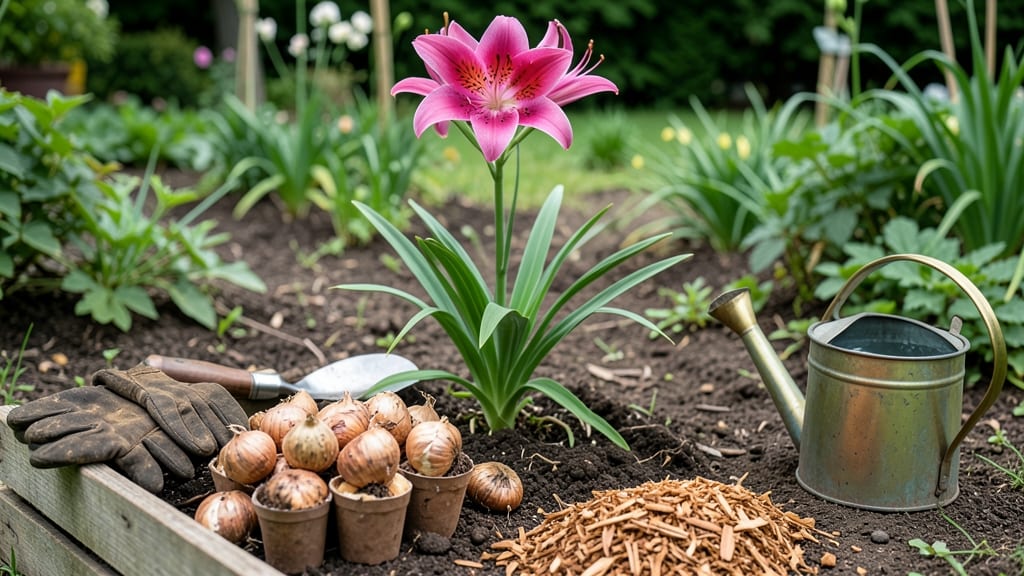
Timing matters when planting lilies in Texas—get it wrong, and you risk stunted growth or bolted blooms from scorching heat. The key to vibrant, long-lasting flowers lies in understanding your region's microclimate and heat zones, which can vary dramatically from North to South Texas.
If you've ever watched your lilies 🌸 wilt under the Texas sun or struggle to bloom, you're not alone. Many gardeners miss the ideal window of fall (September-November) or early spring (February-March), when temperatures are cooler and soil moisture is just right.
This is your chance to plant with confidence and avoid the common mistakes that leave Texas gardens looking lackluster.
I'll walk you through the exact months to plant based on your heat zone, plus Texas-specific tips to keep your lilies thriving.
Whether you're dealing with clay-heavy soil in Houston or dry conditions in El Paso, these strategies will help you grow healthier, more resilient plants that reward you with stunning blooms year after year.
Ready to transform your garden? Let's dive into the perfect planting schedule that ensures your lilies take root without stress—and bloom like never before.
Texas heat zones: best months to plant lilies without bolt risk
Texas’ USDA Zones 8a-10a create a tricky balance for lilies—too early, and they bolt from heat stress; too late, and frost stunts growth. The key is planting when soil temps drop below 80°F but before winter chill sets in.
For most Texans, that’s October-November for fall or February-March for spring, but your exact timing depends on your heat zone.
North Texas (Zones 8a-8b) has cooler winters, so late October to November is ideal for fall planting. South Texas (Zones 9a-10a) can plant through December thanks to milder winters. The goal? Let bulbs establish roots before summer’s brutal heat or winter’s occasional frost.
Premature bolting—when lilies send up flower stems too early—is a Texas gardener’s nightmare. It drains energy from the bulb, leaving weak blooms or no flowers at all.
Timing your plantings to avoid 90°F+ soil temps prevents this. Think of it like giving your lilies a cool-down period before the Texas summer hits.
Here’s the golden rule: Plant when daytime highs are consistently below 85°F and nighttime lows dip near 60°F. This aligns with Texas’ fall and early spring windows, when humidity is lower and pests like lily beetles are less active.
Texas Heat Zones & Lily Planting Windows
| USDA Zone | Best Planting Window | Avoid Planting When | Key Risk |
|---|---|---|---|
| 8a (North Texas) | Late October - November | April - September | Heat stress/bolting |
| 8b (Central Texas) | October - Early December | March - August | Premature bolting |
| 9a (South Texas) | November - December | February - September | Overheating |
| 10a (Deep South Texas) | December - January | January - August | Fungal growth |
⚠️ Pro Tip: Use a soil thermometer to confirm temps are below 80°F before planting.
Spring planting in Texas works too—aim for February-March when soil warms but before 90°F+ days arrive. This gives lilies time to establish roots before summer’s peak. However, spring-planted bulbs may bloom a year later than fall-planted ones, since they need time to build energy reserves.
Microclimates matter in Texas! Urban areas like Austin or Dallas can be 5-10°F hotter than rural zones just miles away. If your yard has concrete or pavement, soil stays warmer longer—plant lilies in shadier spots or use mulch to cool roots.
Conversely, rural areas with loamy soil drain faster, so plant earlier in fall.
Don’t forget about daylilies (Hemerocallis), which are often confused with true lilies. They’re hardier and more heat-tolerant, so they can handle spring planting through April in most of Texas. True lilies (Lilium species) are far more finicky about timing.
For container-grown lilies, adjust your schedule by 2-4 weeks earlier—pots heat up faster than garden soil. Move containers to partial shade during 100°F+ days to prevent root scorch. A 5-gallon pot per bulb gives roots enough space to regulate temperature.
Finally, mark your calendar for Texas’ average first frost dates: December 15 in North Texas and November 20 in South Texas. If you plant in late fall, use mulch (3-4 inches) to protect bulbs from light freezes.
Lilies are hardy to 20°F, but prolonged cold weakens them.
Texas heat zones: best months to plant lilies without bolt risk
Texas’s brutal summers and unpredictable winters make timing critical for lily success. Plant too early, and bulbs rot in soggy soil; too late, and heat stress triggers premature bolting (those unsightly flower spikes before leaves emerge).
The solution? Align planting with USDA zones 8a-10a and Texas’s heat zone map, which divides the state into 7-10 distinct microclimates.
Northern Texas (zones 8a-9a, e.g., Dallas, Fort Worth) has cooler winters but still faces 100°F+ summers. Southern Texas (zones 9b-10a, e.g., Houston, San Antonio) stays warmer year-round, with fewer frost risks.
Your planting window shifts dramatically between these regions—fall for North, early spring for South.
🌱 Pro Tip: Use the 10°F soil temperature rule—plant when soil cools to 60-65°F (ideal for root establishment). In North Texas, this is October-November; in South Texas, February-March. Avoid summer planting entirely—bulbs bake in heat, leading to weak stems and bolt failure.
| Texas Region | USDA Zone | Best Planting Months | Key Risk | Soil Prep Tip |
|---|---|---|---|---|
| North Texas | 8a-9a | October-November | Late frost | Add compost to improve drainage |
| Central Texas | 8b-9b | September-October or February | Heat stress | Use mulch to retain moisture |
| South Texas | 9b-10a | February-March | Humidity rot | Raise beds for airflow |
Missed the fall window? Early spring (February-March) is your second chance, but act fast—Texas’s 100°F summers arrive by May. For container-grown lilies, extend your window by 2-3 weeks (containers heat up faster). Just ensure pots have drainage holes to prevent root rot.
Watch for bolt signs: elongated stems with no leaves or yellowing foliage. This means your lily is stressed by heat or overcrowded. Adjust care by pruning nearby plants for airflow or shading bulbs with lightweight fabric during peak afternoon sun (2 PM–5 PM).
Remember: Texas lilies reward patience. A well-timed fall planting in North Texas or early spring in South Texas gives bulbs 6-8 weeks to establish roots before summer’s heat shock. With the right timing, your lilies will bloom reliably for 5+ years—no bolt risk in sight! 🌿