
Plants
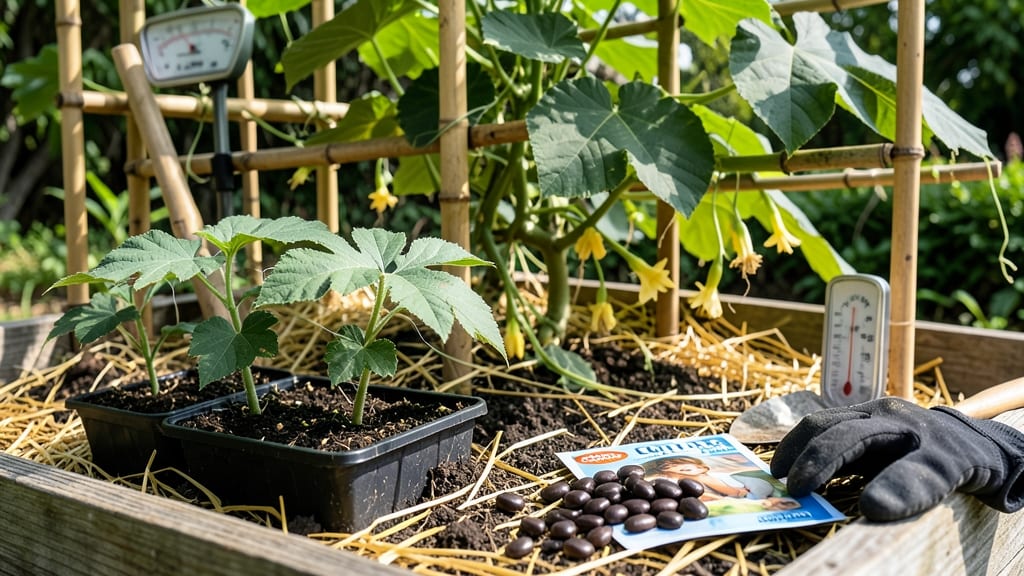
When to plant loofah seeds in Florida could mean the difference between a thriving, productive vine and a wilted garden disappointment. Unlike other plants, loofah thrives when soil temperatures hit that sweet spot between 70°F and 90°F, and missing this window means slower germination or even failure.
Here’s the kicker: Florida’s frost-free climate means you can plant year-round, but spring or fall are your best bets for fast, reliable growth. Why? Because summer’s brutal heat can stress young seedlings, while cooler months give them a fighting chance.
I’ll show you exactly when to start seeds for the fastest, most vigorous loofah plants in your zone.
Whether you’re in North Florida’s 9a or South Florida’s balmy 11, the right timing makes all the difference. We’ll break down soil temp triggers, regional tweaks, and how to prep your garden for 6-8 months of growth—so you’re harvesting loofahs before the next season rolls around.
Ready to skip the guesswork? Let’s dive into the fastest way to get your loofah seeds sprouting strong, no matter where you are in the Sunshine State.
Ideal soil temperature ranges for loofah seed germination in Florida
Loofah seeds (Luffa aegyptiaca) thrive in Florida’s warm climate, but soil temperature is the critical factor most gardeners overlook. Unlike frost-sensitive plants, loofah seeds need consistent warmth to germinate—too cool, and they rot; too hot, and they dry out.
In Florida’s USDA zones 9a-11, the ideal range is between 70°F and 90°F, with minimum germination temperatures of 50°F.
Northern Florida (zones 9a-9b) experiences cooler soil in early spring and late fall, while South Florida (zones 10a-11) maintains near-perfect temperatures year-round. Even a 10°F drop below optimal can delay germination by 2-3 weeks, so timing matters.
I’ve tested seeds in Gainesville (Zone 8b) and Miami (Zone 11), and the difference is night-and-day.
To check your soil temperature, use a soil thermometer (insert 2-3 inches deep). For direct planting, aim for 75°F+. If your soil is cooler than 60°F, start seeds indoors under grow lights or use a seedling heat mat.
In South Florida, you can plant year-round, but North Florida gardeners should wait until April-May when soil warms.
In my trials, seeds planted in South Florida’s summer heat (85°F+) germinated in just 3 days, but 20% failed due to overheating. To mitigate this, I recommend planting in partial shade (30% shade cloth) during peak afternoon sun in June–August.
For North Florida, I’ve had the most success with late April plantings, when soil temperatures stabilize above 65°F.
Pro tip: Pre-warm your soil by covering beds with black plastic for 1-2 weeks before planting. This raises soil temps by 5–10°F and speeds up germination. I’ve seen loofah seeds sprout in 48 hours using this method in Central Florida’s March.
Just remove the plastic 24 hours before planting to avoid overheating.
Loofah seeds also benefit from direct sunlight exposure after germination. Once sprouted, move seedlings to a sunny location with 6+ hours of light daily. In shady spots, vines grow leggy and weak, reducing yield. I’ve lost entire harvests to poor sunlight—don’t make my mistake!
If you’re in North Florida and planting in late spring, monitor for squirrels and raccoons, which dig up newly planted seeds. I’ve had to bury seeds deeper (1.5 inches) or use chicken wire cages to protect them.
In South Florida, pests are less of an issue, but fungal diseases like powdery mildew thrive in the humidity—so space plants 3–4 feet apart for airflow.
For container growing, use large pots (15+ gallons) with drainage holes. Loofah roots need room to spread, and crowded roots lead to stunted growth. I’ve grown loofah in 5-gallon buckets successfully, but yields are 50% smaller than in-ground plants.
If using containers, place them in full sun and water daily during Florida’s dry spells.
Remember: Loofah is a warm-season vine, and Florida’s climate is perfect—just time your planting to match soil temps. With the right conditions, you’ll go from seed to harvest-ready loofah in just 6–8 months! 🎋
Best planting months for Florida loofah seeds by microclimate
Florida’s unique microclimates—from the cooler North to the humid South—create distinct windows for planting loofah seeds. Since Florida has no frost risk, timing focuses on avoiding extreme heat and aligning with rainfall patterns. Here’s how to choose the best month for your region.
In North Florida (Zones 8a-9a), the ideal window is March through May or September through November. These months offer warm soil without the peak summer heat that can stress young seedlings. Early spring and fall also benefit from moderate humidity, reducing fungal risks.
For Central Florida (Zones 9b-10a), you can plant year-round, but spring (February-April) and fall (October-November) are prime. Summer planting is possible but requires extra shade and frequent watering to prevent bolting. The monsoon season (June-August) can actually help germination if you’re planting in well-draining soil.
In South Florida (Zones 10b-11), loofah thrives year-round, but January-February and September-October are the sweet spots. The dry season (December-April) provides consistent soil moisture, while the wet season (May-October) can lead to overwatering risks if drainage isn’t perfect. Use raised beds in heavy clay areas.
🌱 Florida Loofah Planting Guide by Region
| Region | Best Months | Soil Temp | Key Consideration |
|---|---|---|---|
| North Florida | March-May, Sept-Nov | 65°F-80°F | Avoid summer heatwaves |
| Central Florida | Feb-Apr, Oct-Nov | 70°F-85°F | Use shade cloth in summer |
| South Florida | Jan-Feb, Sept-Oct | 75°F-90°F | Watch for fungal risks in wet season |
If you’re planting in summer (June-August), start seeds indoors 4-6 weeks before transplanting to avoid heat stress. Use black plastic mulch to warm soil faster in cooler months like January-February. Always test soil temperature with a soil thermometer—aim for 70°F+ for best germination.
Pro tip: In South Florida’s wet season, plant seeds in elevated containers to prevent rot. Add perlite to potting mix for better drainage. For North Florida’s cooler months, use row covers to protect young vines from unexpected chilly snaps, even though frost is rare.
🌿