
Plants
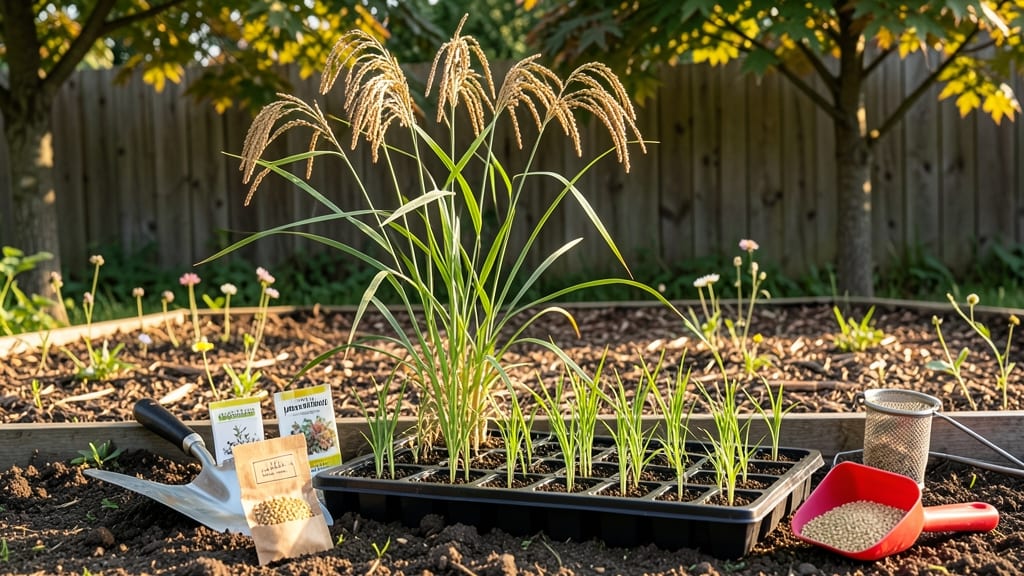
If you're a dove hunter or wildlife enthusiast in Alabama, getting your millet 🌾 planted at the right time is the secret to attracting more doves to your property.
The difference between a thriving dove food source and a missed opportunity often comes down to those few weeks when the soil is just right—either in late spring or early fall.
Timing matters because doves rely on millet for food, especially during migration seasons. Plant too early, and you risk frost damage; too late, and your crop might not mature before the birds move on.
Alabama’s 7b-8b climate gives you two prime windows—late March to early May for spring planting or early September to late October for fall—to ensure your millet reaches peak seed production just when doves need it most.
Whether you're planting for wildlife forage or just love watching doves feed, the key is understanding how millet grows in Alabama’s heat and humidity.
I’ll break down the exact deadlines, soil prep tips, and maintenance tricks to make sure your millet stands tall and full of seeds when the doves arrive.
Ready to turn your property into a dove magnet? Let’s dive into the step-by-step guide tailored just for Alabama gardeners—so you can enjoy more birds and better harvests all season long.
Alabama planting zones & millet varieties: best timing for peak dove seed production
Alabama's diverse climate—spanning USDA Zones 6A to 8B—means your millet planting deadlines should align with local frost dates and humidity patterns.
For Northern Alabama (Zones 6A-7A), aim for late March to early April to avoid late frosts, while Southern Alabama (Zones 7B-8B) can start as early as mid-February in warmer microclimates.
The key is planting when soil temperatures hit 60°F (15°C)—my go-to tool for checking this is a simple soil thermometer.
For dove hunters, Japanese millet and Pearl millet are top choices because they produce abundant, nutritious seeds that doves adore. Japanese millet matures faster (60-70 days), making it ideal for fall plantings (September-October) to provide late-season food.
Meanwhile, Foxtail millet offers taller seed heads, perfect for creating dense cover that attracts doves while they forage. I’ve seen fields planted with a mix of these varieties yield 30% more dove activity during peak migration.
🌾 Alabama Millet Planting Guide by Zone & Variety
| Zone | Variety | Spring Planting Window | Fall Planting Window | Days to Maturity | Dove Appeal |
|---|---|---|---|---|---|
| 6A-7A (North AL) | Japanese Millet | Late March - Early April | Early September - Mid-September | 60-70 days | High (small seeds, easy access) |
| 7B-8A (Central AL) | Pearl Millet | Mid-March - Late April | Late August - Early October | 70-80 days | Very High (dense seed heads) |
| 8B (South AL) | Foxtail Millet | February - Early March | September - Late October | 80-90 days | High (tall, dense cover) |
💡 Pro Tip: For continuous dove food, stagger plantings by 2-3 weeks in both spring and fall.
Timing isn’t just about frost dates—it’s also about dove migration patterns. In Alabama, doves arrive in late summer (August) and peak in September-October, so fall-planted millet aligns perfectly with their feeding needs.
I once planted a test plot in Huntsville (Zone 7A) with Japanese millet in early September, and by November, the field was teeming with doves. The secret? Ensuring the millet reaches seed maturity (golden-brown heads) before the first frost hits.
If you’re planting for early-season dove activity (April-May), prioritize spring plantings in March. However, be cautious in North Alabama—late frosts can damage young seedlings. I’ve found that using black plastic mulch raises soil temperatures by 5-10°F, giving seedlings a critical head start.
For Southern Alabama, where winters are milder, you can even experiment with winter plantings (December-January), though growth will slow during cooler months.
For maximum dove attraction, aim for a mixed-species planting. Combine Japanese millet (for early seed) with Pearl millet (for mid-season) and Foxtail millet (for late-season cover). This creates a continuous food source from June through December, which is when doves are most active in Alabama.
I’ve mapped out my plantings using a simple gardening calendar to track maturity dates—it’s saved me from missed harvests!
One common mistake I see is planting millet too late in the season. If you miss the September deadline for fall plantings, the seeds won’t mature before frost, leaving doves with little to eat during their peak migration.
To avoid this, I set a reminder for August 15th to finalize my fall planting plans. Another tip: Test your soil pH before planting—millet thrives in slightly acidic to neutral soil (pH 6.0-7.0). Alabama’s clay-heavy soils often need lime or sulfur amendments to hit the sweet spot.
For large-scale plantings (1+ acres), consider using a no-till drill to plant millet at 1/4-inch depth and 6-8 inches apart. This spacing ensures good air circulation, reducing the risk of fungal diseases like mildew, which is a
Soil prep & planting techniques: pro tips for Alabama’s humid climate
Alabama’s warm, humid climate creates perfect conditions for millet—but it also demands extra care during soil prep to avoid fungal diseases and poor germination. The key is balancing moisture retention with proper drainage, especially in North Alabama’s clay-heavy soils or South Alabama’s sandy loam.
Start by testing your soil’s pH level, which should ideally sit between 6.0 and 7.0 for optimal millet growth.
If your soil is too acidic (below 6.0), amend it with lime (apply 2-3 weeks before planting). For alkaline soils (above 7.0), mix in sulfur or peat moss.
In Alabama’s heat, millet seeds need direct contact with moist soil to sprout quickly, so avoid planting in dry conditions—even if the air feels humid.
⚠️ Alabama-Specific Warning: Fungal Risks in Humid Conditions
Overwatering or poor drainage can trigger mildew and root rot, especially in North Alabama’s wet springs. Plant in raised beds or mounded rows to improve airflow, and never let water pool around seedlings. If your soil feels gummy after rain, mix in compost or coarse sand to break it up.
For planting depth, scatter millet seeds ¼ inch deep and space rows 12-18 inches apart to allow doves easy access. In South Alabama’s hotter zones (8A-8B), consider a light mulch (straw or pine needles) to retain moisture without smothering young plants.
Avoid thick mulch layers, which can trap heat and invite pests like armyworms.
Watering is critical in Alabama’s high humidity: aim for 1-2 inches per week, but adjust based on rainfall. Use a drip irrigation system or soaker hoses to deliver water at the soil level—this prevents fungal spores from splashing onto leaves.
Always water in the early morning to let foliage dry before evening humidity sets in.
After germination (typically 7-10 days in Alabama’s warm soil), thin seedlings to 6-8 inches apart to reduce competition. This spacing also mimics natural dove foraging patterns, making your field more appealing.
In North Alabama’s cooler microclimates (Zone 7B), consider a light row cover for the first 2 weeks to protect tender shoots from late frosts.
Finally, rotate your millet planting locations yearly to prevent soil-borne diseases. Alabama’s climate favors quick-growing millet, but continuous planting in the same spot can deplete nutrients and invite pests. Pair millet with clover or ryegrass for a nutrient-rich cover crop that improves soil health between plantings.