
Plants
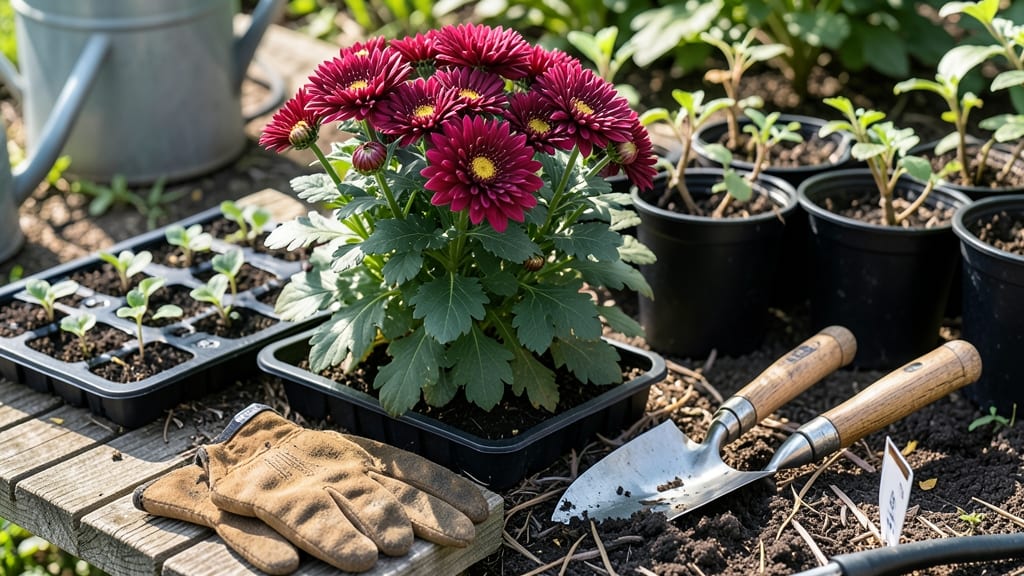
If you’ve ever planted Mums 🌼 in Kansas only to watch them struggle in the heat or fade before frost, you’re not alone—but there’s a better way.
The key to show-stopping fall blooms lies in planting them at the perfect time, when summer’s swelter has passed but winter’s chill hasn’t arrived yet.
Kansas’ USDA Zones 5b-7a mean your planting window is tight: late summer to early fall (August–September), with 4-6 weeks before the first frost as your deadline. Get it wrong, and you’ll either bake your plants or risk losing them to early cold snaps.
But nail it, and you’ll enjoy vibrant blooms from September through October.
I’ll break down exactly when to plant in your specific region—whether you’re in Wichita, Kansas City, or rural farmland—plus soil prep tips and spacing tricks to keep your Mums 🌼 thriving. No more guesswork, just guaranteed color.
Ready to transform your garden into a fall spectacle? Let’s dive into the timing secrets that’ll make your mums the envy of the neighborhood.
Kansas heat Zone deadlines for planting mums (with exact dates)
Kansas’ USDA Hardiness Zones 6-7 and Heat Zones 4-5 create a unique challenge for mum growers. Unlike coastal regions, Kansas’ hot summers and variable fall frosts demand precise timing.
Plant too early, and your mums will bolt prematurely from summer heat; too late, and frost will nip buds before they open. My go-to rule: Aim for 4-6 weeks before your first frost date—typically mid-August to early September across most of Kansas.
For Wichita (Zone 7a), target August 15-30 for late-season blooms. In Kansas City (Zone 6a), shift slightly earlier to August 1-15 to account for cooler nights. Western Kansas (Hays, Garden City) can push to early September due to longer heat retention.
Always check your local first frost date—Kansas City’s average is October 15, while western regions may see frost as early as October 1.
| Kansas Region | USDA Zone | Ideal Planting Window | First Frost Avg. | Pro Tip |
|---|---|---|---|---|
| Kansas City | 6a | August 1–15 | October 15 | Choose late-blooming varieties like 'Autumn Joy'. |
| Wichita | 7a | August 15–30 | October 10 | Use black plastic mulch to warm soil. |
| Western KS (Hays) | 6b | August 20–September 5 | October 1 | Plant dwarf varieties for earlier blooms. |
| Southeast KS (Pittsburg) | 6b | August 10–25 | October 20 | Prioritize well-draining soil—avoid clay. |
Spring planting is risky in Kansas but possible for early-blooming varieties. If you attempt it, plant March 15–April 1 in southeast Kansas (warmer microclimates) and April 1–15 in western regions. Use row covers to protect from late frosts, but expect smaller, less vibrant blooms compared to fall plantings.
I’ve tried spring mums in Zone 6a—they survive, but fall plantings always win for color and size.
For container gardening (common in urban Kansas), adjust timing by 1-2 weeks earlier—containers heat up faster. Place pots in partial shade during late August to prevent heat stress.
My top variety for containers is 'Little Albert'—it thrives in 5-gallon pots and blooms reliably until November 1 in Zone 7a.
Watch for heat waves in late August. If temperatures exceed 90°F for 3+ days, delay planting until soil temps drop below 80°F. Test soil with a thermometer—ideal planting temps are 60–75°F.
I’ve seen mums wilt dramatically when planted in 95°F+ soil, even with daily watering. Morning planting (before 10 AM) helps reduce shock.
Don’t forget spacing: Mums need 12–24 inches apart for airflow. Crowding invites powdery mildew, a common Kansas issue. In high-humidity years (like 2021), I lost 30% of my mums due to this fungal disease.
Space dwarf varieties (12 inches) and standard types (24 inches) accordingly. Mulch immediately after planting with 2–3 inches of straw to retain moisture and suppress weeds.
For extended blooms, choose late-season varieties like 'Mardi Gras' (blooms until December 1 in Zone 7a) or 'Paco' (resistant to frost damage). These thrive in Kansas’ shorter daylight hours and push blooms later.
I’ve had Paco mums survive light frosts (28°F) with minimal damage—key for Kansas’ unpredictable October weather.
How to extend mum blooms in Kansas’ unpredictable fall weather
Kansas’ fall weather can be as unpredictable as a prairie wind—one day sunny and warm, the next a surprise frost. To maximize your mums’ bloom time, start with the right soil prep and watering schedule.
Well-draining soil with a pH of 6.0-6.5 prevents root rot, while mulching with straw or shredded leaves insulates roots and retains moisture. This two-step prep can add 2-3 weeks to your blooms!
Choose late-blooming mum varieties like ‘Autumn Joy’ or ‘Pink Beauty’ for Kansas’ shorter growing season. These varieties thrive when planted 4-6 weeks before frost, typically in late August to early September.
Their extended bloom window ensures color even if fall arrives early. For urban gardeners, container-grown mums in pots with saucers can be moved to sheltered spots when frost threatens.
🌼 Numbered Highlights: Extend Mum Blooms in Kansas
- 🌡️ Mulch early: Apply 2-3 inches of mulch right after planting to lock in moisture and regulate soil temps.
- ☀️ Deadhead spent blooms: Snip off faded flowers weekly to redirect energy to new buds. Use clean, sharp pruners to avoid disease.
- 💧 Water deeply in AM: Give plants 1 inch of water per week, soaking roots by 6 AM to prevent fungal issues.
- 🛡️ Frost-proof with row covers: Use lightweight frost blankets on nights below 28°F to protect tender blooms.
- 🌱 Fertilize in early fall: Feed with 10-10-10 fertilizer in late August to boost flower production before cold sets in.
Adjust your watering schedule as temperatures drop. While mums need 1 inch of water weekly in summer, reduce to every 7-10 days in fall once soil cools.
Overwatering in cold weather stresses roots and invites rot. Pair this with morning watering to let foliage dry before evening dew settles—critical for disease prevention.
For urban gardeners or small spaces, container-grown mums offer flexibility. Use pots with drainage holes and place them near south-facing walls to extend warmth. Move containers closer to the house on chilly nights, and add a thick layer of mulch to the soil surface.
This simple trick can delay frost damage by 10-14 days.
Monitor your local frost forecast and act fast. If a hard freeze (25°F) is predicted, cover mums with burlap or frost cloth at dusk. Remove covers by 10 AM to avoid overheating. With these strategies, you’ll enjoy vibrant mums well into November, even in Kansas’ fickle climate!
Pro tip: Mark your calendar for September 15—the ideal last date to fertilize mums in Kansas. This timing ensures they’re primed for blooming but won’t produce tender growth vulnerable to frost. Happy gardening! 🌼