
Plants
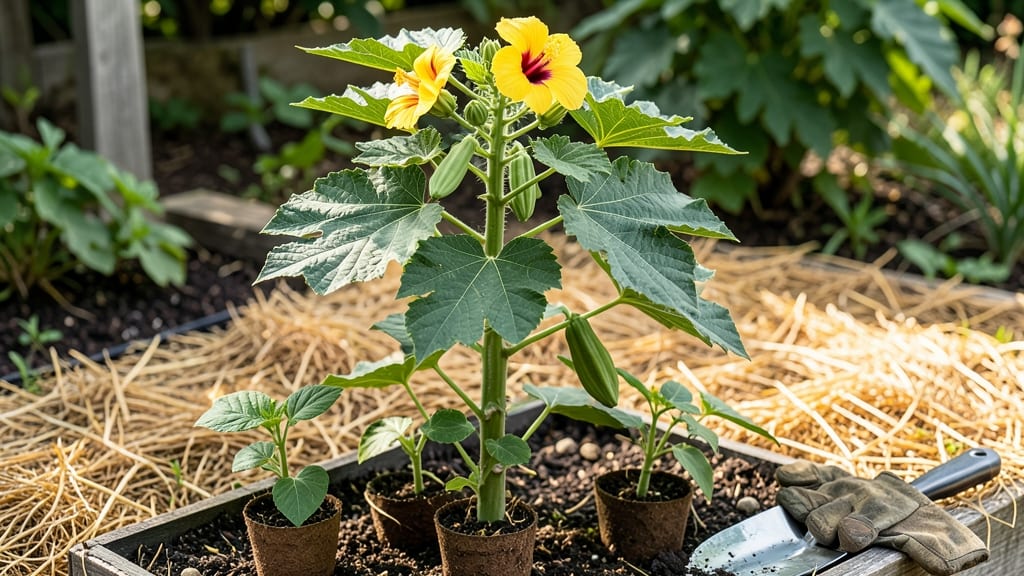
Timing your okra planting in Kentucky right is the difference between a bountiful summer harvest and wasted effort. With Kentucky’s USDA Zone 6a climate, you’ve got a narrow window to get those heat-loving seeds in the ground—after the last frost but before the soil gets too hot.
Most gardeners in Kentucky plant okra between late April and early June, but there’s more to it than just dates. The key is waiting for soil temperatures to hit at least 60°F—cold soil will leave you staring at empty rows.
I’ve learned the hard way that rushing too early can mean stunted plants, while waiting too long might cut your harvest short.
This summer, you can avoid those mistakes by following a simple rule: plant okra when the nighttime temperatures stay consistently above 55°F. That’s usually around mid-May for most of the state, but western Kentucky’s warmer microclimates might let you start a week earlier.
The goal? Get those plants growing fast enough to produce pods before the heat of July and August.
Once you’ve got the timing down, the real magic happens. With the right variety and a little extra care, you could be harvesting 2-3 inch pods by July—and keeping them coming until frost. Let me show you exactly how to make that happen in Kentucky’s unique growing conditions.
Kentucky okra planting calendar: frost dates and ideal timing
Okra thrives in Kentucky’s warm summers, but planting too early can stunt growth while waiting too long may shorten your harvest window. The key is understanding your local frost dates and soil temperature requirements.
In Kentucky’s USDA zones 6b-7a, the average last frost date ranges from mid-April in western regions to early May in the Bluegrass and eastern areas.
Okra seeds won’t germinate until soil temperatures reach at least 60°F, which typically occurs by late April in most of Kentucky. However, I recommend waiting until early May for a more reliable harvest, especially in cooler microclimates like the Cumberland Plateau.
Here’s the golden rule: Plant okra 30-60 days before your first expected frost in October. This gives plants enough time to mature before temperatures drop below 50°F, which can damage foliage and pods. For most of Kentucky, that means sowing seeds between late April and early June.
| Region | Avg. Last Frost | Ideal Planting Window | First Frost Risk |
|---|---|---|---|
| Western KY (Paducah) | Mid-April | Late April - May 15 | Low (Zone 7a) |
| Central KY (Louisville) | Early May | Early May - June 1 | Moderate (Zone 6b) |
| Eastern KY (Corbin) | Early May | Late May - Early June | High (Zone 6a) |
Microclimates play a huge role in Kentucky. If you’re in a valley or low-lying area, like the Jackson Purchase region, you can plant 2-3 weeks earlier than the average. Conversely, higher elevations in the Appalachian foothills may need to delay planting until mid-May to avoid late frosts.
For urban gardeners in cities like Lexington or Bowling Green, check local weather stations for real-time soil temperature data. A simple soil thermometer (available for under $10) can help you pinpoint the exact moment when conditions are perfect for sowing.
Pro tip: Use black plastic mulch to warm soil faster if you’re eager to plant early. This technique can shave off 7-10 days from your planting timeline by raising soil temperatures by 5-10°F.
Remember, okra’s 60-75 day growth cycle means you’ll need to plan for a July-October harvest window. Starting seeds indoors 4-6 weeks before transplanting can give you a head start, but Kentucky’s warm nights often make direct sowing the simpler option.
If you’re in a cooler microclimate, consider choosing shorter-day varieties like 'Clemson Spineless' that mature faster. These can be harvested as early as late June if planted in early May.
Always keep an eye on your local National Weather Service forecasts in the weeks leading up to planting. A sudden cold snap in May could delay your okra’s growth, so be prepared to cover young plants with row fabric if needed.
Kentucky okra planting calendar: frost dates and ideal timing
Okra thrives in Kentucky’s warm climate, but getting the timing right is everything. Since okra hates cold soil and frost, planting too early can stall germination or kill seedlings.
The key is waiting until after the last frost date, which typically falls between mid-April and early May across Kentucky’s USDA zones 6b-7a.
For most of Kentucky, the ideal planting window stretches from late April to early June. Western Kentucky (warmer microclimates) can start as early as mid-April, while eastern regions may need to wait until late May.
Always check your local frost-free date—Kentucky’s ranges from April 15 in the south to May 10 in the north.
| Region | Last Frost Date | Ideal Planting Window | Soil Temp Requirement |
|---|---|---|---|
| Western KY (e.g., Paducah) | Mid-April | Late April–Early May | 60°F+ |
| Central KY (e.g., Louisville) | Early May | Late May–Early June | 60°F+ |
| Eastern KY (e.g., Lexington) | Late May | Early June | 60°F+ |
Okra seeds won’t germinate below 60°F soil temperature, so use a soil thermometer to confirm warmth before planting. If your soil is still cool, try black plastic mulch or a cold frame to warm it up faster. This is especially critical in Kentucky’s cooler spring months.
For a longer harvest season, consider planting in two waves: the first batch in late May and a second in early June. This staggered approach ensures pods mature continuously until Kentucky’s first frost in mid-October.
Just remember, okra needs at least 60 days to reach harvest—so don’t plant too late!
If you’re transplanting seedlings, start them indoors 4-6 weeks before your last frost date. Harden them off gradually to avoid shock when moving to the garden. Seedlings thrive in 70°F+ soil, so time your transplant carefully to align with Kentucky’s warming trends.
Pro tip: Okra loves heat, so if you’re in a warmer microclimate (like near the Ohio River), you might even squeeze in a late-July planting for a second harvest before frost. Just monitor your local weather closely!