
Plants
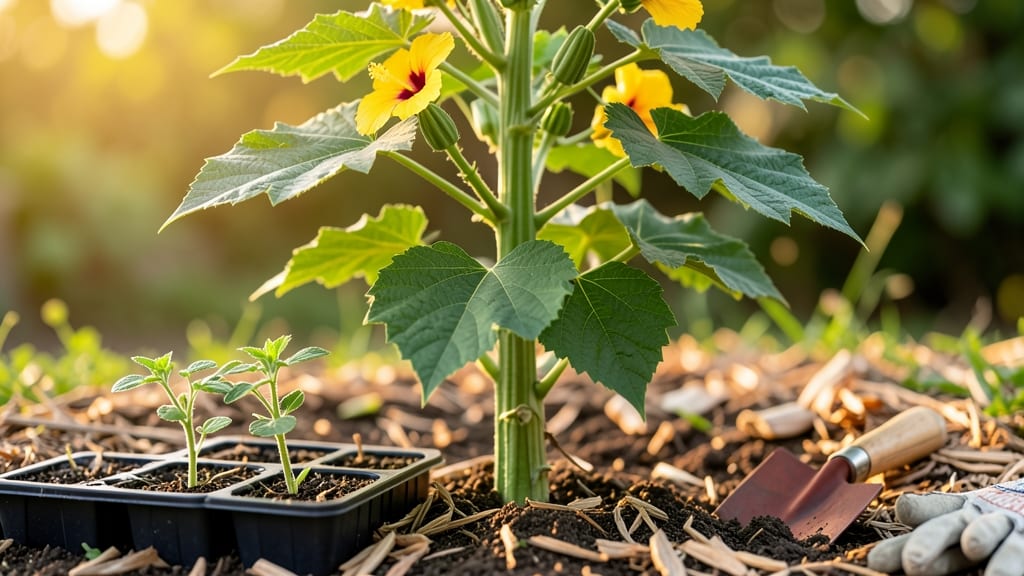
If you're wondering when to plant okra in North Carolina, timing is everything—especially in zones 6a-8b where frost can still sneak in unexpectedly. Okra thrives in heat, but planting too soon risks stunted growth or even death from late frosts that linger until mid-April in some areas.
Here's the secret: wait until the soil warms to at least 60°F—that's your green light to start seeds indoors or transplant seedlings. In most of North Carolina, this means aiming for April to May, but coastal areas can push it slightly earlier.
The key is balancing warmth with your harvest goals.
For a second crop, don't overlook late summer planting—July to August gives you pods ready by fall. Whether you're a first-time gardener or a seasoned pro, these soil temperature triggers will help you avoid common mistakes and maximize your 🌱 okra harvest from June through October.
Ready to grow? I'll walk you through the exact steps—from soil prep to succession planting—to turn your North Carolina garden into an okra powerhouse. Let's get started!
Optimal okra planting dates in North Carolina based on last frost
North Carolina’s USDA hardiness zones 6b–8b create a perfect climate for okra, but timing your planting dates is critical to avoid frost damage. Okra thrives in warm soil and can’t tolerate temperatures below 50°F.
The key is planting after your average last frost date, which varies across the state.
In the Piedmont region (zones 7a–7b), the last frost typically occurs around April 1–15. Meanwhile, the Coastal Plain (zones 8a–8b) sees its last frost by March 15–April 1. The Mountains (zone 6b) are trickier, with frost lingering until May 1 or later.
For the best harvest, aim to plant okra 2–4 weeks after your last frost. This ensures soil temperatures stay above 60°F—the minimum for germination. In most of North Carolina, this means mid-April to early May for spring planting.
Okra also grows well in late summer for a fall harvest. Plant seeds in July or early August to enjoy pods through October or November, depending on your zone. This second planting works best in zones 7a and warmer, where frost arrives later.
If you’re unsure about your last frost date, check the NC State Climate Office or use a soil thermometer to confirm temperatures. Okra won’t germinate below 60°F, so patience is key—rushing leads to poor growth or failure.
Here’s how your region breaks down for ideal planting windows:
| Region | USDA Zone | Last Frost Date | Spring Planting Window | Fall Planting Window |
|---|---|---|---|---|
| Coastal Plain | 8a–8b | March 15–April 1 | April 15–May 1 | July 15–August 1 |
| Piedmont | 7a–7b | April 1–15 | April 30–May 15 | July 1–July 15 |
| Mountains | 6b | May 1 or later | May 15–June 1 | Not recommended |
For container gardening, follow the same timing rules but use larger pots (10+ gallons) to accommodate okra’s deep roots. Containers warm up faster, so you can plant 1–2 weeks earlier than in-ground soil if your pots are in full sun.
Pro tip: If you’re in zone 7a or cooler, consider starting okra indoors 4–6 weeks before transplanting. Use biodegradable pots to avoid root disturbance when moving seedlings outdoors.
Okra’s fast growth rate (60–70 days to harvest) means timing matters. Plant too late, and you’ll miss the peak summer heat okra craves. Aim for June harvests from spring plantings and September–October harvests from fall plantings for the best results.
🌱
Soil temperature triggers for successful okra germination and growth
Okra thrives in warm soil, and soil temperature is your secret weapon for timing plantings right in North Carolina. Unlike cool-season crops, okra seeds won’t germinate until the soil reaches at least 60°F (15°C).
Waiting for this threshold ensures strong, consistent sprouts instead of patchy growth or failed germination.
Use a soil thermometer to check temperatures at 4-inch depth—this is where seeds will be planted. Most garden centers sell affordable thermometers for under $15. I’ve found that morning readings (between 9–11 AM) give the most accurate picture of overnight soil warmth.
For optimal germination, aim for 70–75°F (21–24°C) soil temperatures. At these levels, seeds typically sprout within 5–10 days.
If your soil is cooler than 60°F, even after the last frost, delay planting—okra won’t tolerate cold soil, and waiting a few weeks can mean a longer, more productive harvest.
Once your okra plants emerge, they’ll grow fastest in 75–95°F (24–35°C) soil. This heat range aligns perfectly with North Carolina’s summer months, but Piedmont regions may need to wait until late May for consistent warmth.
If you’re in Zone 7a, like in the western mountains, consider starting seeds indoors in biodegradable pots 4–6 weeks before your target outdoor planting date.
Pro tip: If your soil warms up quickly but air temps drop at night (common in April plantings), use row covers or black plastic mulch to maintain soil warmth. I’ve seen okra planted in early May under mulch outperform late-May plantings without it—especially in Zone 7b.
Monitor soil temps weekly, especially if you’re experimenting with fall plantings (July–August). Okra can tolerate cooler soil than it needs to germinate, but growth slows dramatically below 65°F (18°C). Aim to finish harvests before the first frost, which in Zone 8a (like Raleigh) typically hits around November 15.