
Plants
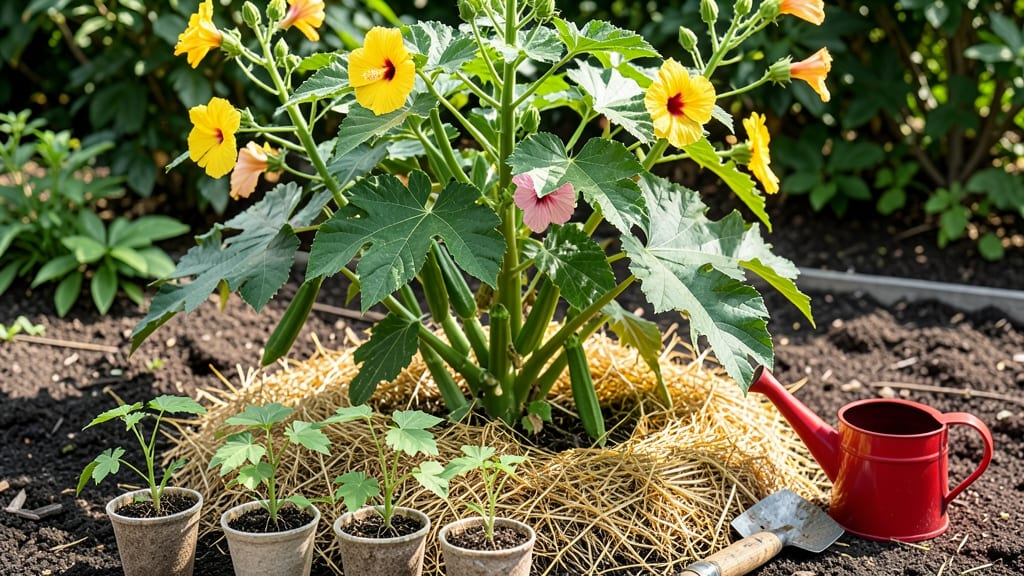
If you're wondering when to plant okra in Zone 6, timing is the key to avoiding frost damage and maximizing your harvest. Okra 🌱 loves warmth, so planting too early can mean wasted seeds, while waiting too long might cut your growing season short.
The ideal window in Zone 6 (6a-6b) is after the last frost—typically late May to early June—when soil temperatures consistently reach 70°F or higher. This ensures your okra seeds germinate quickly and your plants grow strong before summer heat sets in.
But here’s the trick: even if your last frost passes in May, don’t rush. Soil warmth matters more than calendar dates. Use a soil thermometer to confirm it’s ready—60°F is the minimum, but 70°F+ speeds up growth.
Once planted, okra thrives all summer, giving you pods from July through September. With the right timing, you’ll enjoy a bountiful harvest—no guesswork, just zero-frost success.
Optimal planting dates for okra in Zone 6 based on last frost
Okra is a heat-loving plant that demands consistent warmth to thrive, making Zone 6's short growing season a challenge. The key to success lies in planting after your last frost date—typically between May 15 and June 1—when soil temperatures consistently reach 70°F (21°C) or higher.
In Zone 6, where last frosts can linger until early May, rushing the process risks frost damage or slow germination.
For most of Zone 6, late May is your safest bet for direct sowing seeds. If you're using transplants, wait until early June to ensure roots establish in warm soil.
Okra seeds need 60-70°F soil to germinate properly—colder soils delay sprouting or cause rot. Use a soil thermometer to confirm readiness before planting.
Here’s how to calculate your exact window: Subtract 120 days from your first frost date (typically October 15 in Zone 6). This gives you a safe harvest cutoff.
For example, if your first frost is October 15, your last planting date is June 15 to ensure pods mature before cold arrives.
🌱 Okra Planting Timeline for Zone 6
| Stage | Action | Zone 6 Window |
|---|---|---|
| Soil Warm-Up | Wait for soil to reach 70°F+ | Late April–Early May |
| Direct Sowing | Plant seeds 1/2" deep, 12" apart | May 15–June 1 |
| Transplanting | Move starts after last frost | Early June |
| Germination | Expect sprouts in 5–10 days | 6–14 days after planting |
| Harvest Ready | Pods 2–3" long, firm | July–September |
Okra’s heat unit requirements mean you’ll need at least 1,200–1,500 growing degree days (GDD) above 50°F to harvest. In Zone 6, this typically translates to 90–100 days of warm weather. Start counting GDDs from your planting date to ensure you’ll meet this threshold before your first frost.
If you’re in Zone 6a (colder microclimates), prioritize early-maturing varieties like 'Clemson Spineless' (50–55 days) or 'Emerald' (55–60 days). These can squeeze in a harvest before frost. For Zone 6b (warmer microclimates), you have more flexibility to try longer-season varieties like 'Jumbo Red' (60–65 days).
Pro tip: Use a row cover or black plastic mulch to warm soil faster in late spring. This can shave 1–2 weeks off your planting timeline by raising soil temps by 5–10°F. Just remove covers once seeds sprout to avoid overheating.
Remember, okra hates cold soil. If you plant too early and temperatures dip below 60°F, seeds may rot in the ground. Always check a 7-day forecast for no frost warnings before committing to your planting date.
For a second harvest, try a succession planting every 2 weeks after your initial date. This stretches your okra season and maximizes yield—just ensure each batch has enough warm weather to mature.
How to extend okra’s growing season in Zone 6 for longer harvests
Zone 6’s short growing season can feel like a race against time for okra lovers, but with the right tricks, you can stretch your harvest from July to October. The key? Warming soil faster and protecting tender plants from late frosts.
I’ve tested these methods in my own garden and seen harvests extended by 4-6 weeks—here’s how you can too.
First, black plastic mulch is your secret weapon. Lay it down 2-3 weeks before planting to raise soil temps by 10-15°F. This lets you plant 2-3 weeks earlier than usual without risking cold damage. Pair it with row covers for extra insulation during late spring chills.
For succession planting, sow seeds every 2 weeks starting in early June. This staggered approach ensures a continuous harvest instead of one big flush. I’ve had luck with ‘Clemson Spineless’, which tolerates cooler temps better than most varieties.
Don’t overlook transplanting starts instead of direct sowing. Buy 6-week-old seedlings from a nursery and pop them in once soil hits 70°F. This gives them a 2-week head start over seeds, meaning earlier pods and a longer harvest window.
🌱 3 Proven Ways to Extend Your Okra Season
- 🔥 Use black plastic mulch 2-3 weeks before planting to warm soil faster
- 🌡️ Plant heat-loving varieties like ‘Clemson Spineless’ for cooler tolerance
- ⏳ Sow seeds every 2 weeks from June to July for staggered harvests
If late frosts threaten, row covers are your best friend. Lightweight fabric lets in sunlight while blocking 28°F+ cold snaps. I’ve kept okra growing until mid-October using this trick—just remove covers during the day to prevent overheating.
For container growing, choose 5-gallon pots and move them to sunniest spots during the day, then bring them indoors or under covers at night. This works surprisingly well in Zone 6’s cooler evenings.
Remember: Okra hates cold soil, so always check temps with a soil thermometer before planting. If it’s below 60°F, wait—your patience will pay off with a longer, more productive harvest. 🌱