
Plants
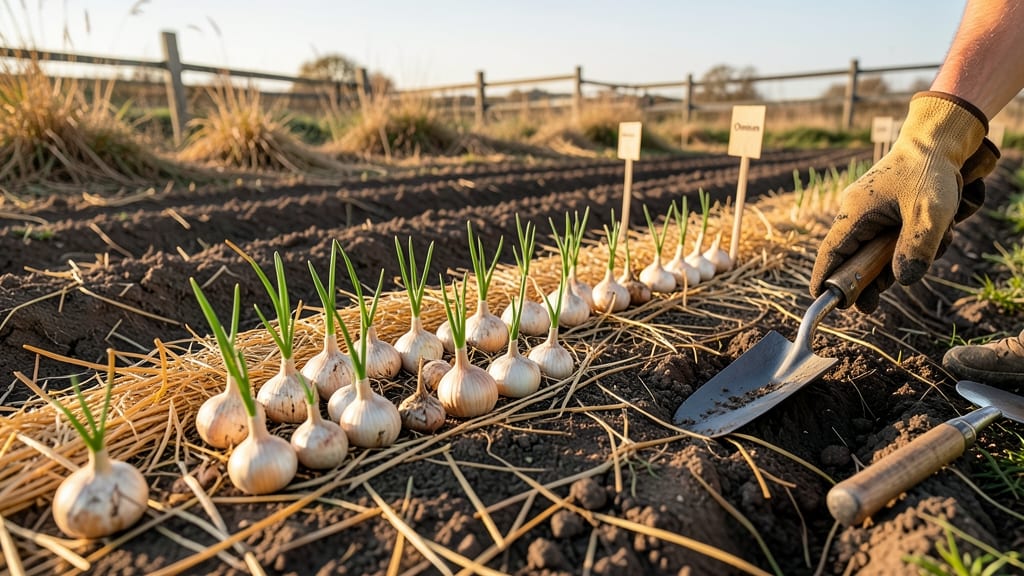
Timing your onion sets planting in Michigan wrong could mean watching your hard work melt away in a late frost—something no gardener wants. The 5b-6a zone might seem straightforward, but Michigan’s unpredictable spring weather demands precision.
You’ve got two key windows: early spring (March-April) or fall (September-October), each with its own tricks. Plant too early, and frost zaps your seedlings. Too late, and your harvest shrinks. I’ll break down the exact frost-free timeline so you can align your calendar with Michigan’s quirks.
Beyond dates, soil temperature and variety matter—short-day onions thrive in Michigan’s climate, but even they need the right conditions. Let’s dive into how to prep your soil, choose the best varieties, and protect your crop from Mother Nature’s surprises.
By the end, you’ll know exactly when to plant for a bountiful harvest—whether you’re a seasoned gardener or just starting with 🧅. Ready to grow onions like a pro? Let’s get started.
Michigan onion set planting timeline by USDA zones (4-6)
Michigan’s diverse USDA zones (4-6) create unique challenges for onion set planting. In Northern Michigan (Zone 4), where frosts linger until mid-May, timing is critical to avoid late-season losses.
Meanwhile, Southern Michigan (Zone 6) gardeners can start planting as early as late February in protected beds. Understanding these regional differences ensures your onion sets thrive from March through October.
The key to success lies in soil temperatures between 40-50°F—the ideal range for germination. In Central Michigan (Zone 5), this typically aligns with mid-April, while Southern zones may see viable planting conditions by late March.
Always check your local last frost date (usually mid-April in most areas) and adjust your schedule accordingly.
For spring plantings, aim to get seeds in the ground 2-3 weeks before the last frost date. This gives young plants time to establish roots before unpredictable late frosts strike.
In fall, plant 6-8 weeks before the first frost (typically mid-October) to allow bulbs to mature before winter dormancy.
| USDA Zone | Last Frost Date | Ideal Planting Window | Soil Temp for Germination | Harvest Window |
|---|---|---|---|---|
| Zone 4 (Northern MI) | Mid-May | April 15-May 1 | 45-50°F | June-July |
| Zone 5 (Central MI) | April 20-May 1 | March 25-April 15 | 40-45°F | Late May-July |
| Zone 6 (Southern MI) | April 10-20 | Late February-March 15 | 40-48°F | May-June |
Note: Fall plantings should occur 6-8 weeks before first frost in all zones.
If you’re planting in Zone 5 or 6, you can even experiment with early February plantings under row covers or in a cold frame. This extends your growing season and gives you a jump on the competition.
Just be prepared to protect young plants from unexpected late frosts, which can still occur as late as May in some years.
For fall plantings, focus on varieties like ‘Sweet Sandwich’ or ‘Red Baron’, which mature quickly and store well. Plant these 6-8 weeks before the first frost date, typically between September 1st and October 1st, depending on your location.
This timing ensures bulbs have enough time to bulk up before winter sets in.
Always check your local Michigan State University Extension resources for hyper-local frost dates. Conditions can vary dramatically even within the same zone, especially near lakes or urban heat islands. For example, Detroit (Zone 6a) often experiences earlier springs than Traverse City (Zone 5b), so adjust accordingly.
Pro tip: Use a soil thermometer to confirm temperatures before planting. Onion sets won’t germinate well in cold, wet soil—wait until temperatures consistently reach 40°F or higher. This small step can save you from rotten seeds and wasted effort.
Remember, staggered plantings every 2-3 weeks can extend your harvest window. By planting successive batches, you’ll enjoy fresh onions from June through September, regardless of your zone. This method is especially useful in Zone 4, where a single planting might face late-season heat stress.
Michigan onion set planting timeline by USDA zones (4-6)
Michigan’s USDA zones 4-6 create unique challenges for onion set planting due to late spring frosts and short growing seasons. Northern Michigan (Zone 4) has the latest frost dates, while Southern Michigan (Zone 6) enjoys an extra 2-3 weeks of growing time.
To succeed, I focus on soil temperature (ideal: 40-50°F) and frost-free windows.
For spring planting, I aim to plant onion sets 2-3 weeks before the last frost date. In Zone 4, this means late March to early April, while Zone 6 gardeners can start as early as mid-March.
Fall planting (for late-summer harvests) happens 6-8 weeks before the first frost, typically September in most regions.
Here’s how I break it down by zone to avoid frost damage and maximize yield:
| Zone | Last Frost Date | Spring Planting Window | Fall Planting Window | Soil Temp for Planting |
|---|---|---|---|---|
| 4 (Northern) | Mid-May | Late March–Early April | Late August–Early September | 40–50°F |
| 5 (Central) | Early May | Mid-March–Mid-April | Mid-August–Late September | 40–50°F |
| 6 (Southern) | Late April | Mid-March–Early April | Early September–Mid-October | 40–50°F |
📅 Pro Tip: Use a soil thermometer to confirm temps before planting!
In my Zone 5b garden, I’ve found that planting onion sets in early April gives me a June-July harvest before the heat sets in. For fall plantings, I prioritize September to ensure bulbs mature before frost. Always check your local Michigan State University Extension frost dates for precision.
If you’re in Zone 4, consider staggered plantings every 2 weeks to extend your harvest window. This strategy helps mitigate frost risks and ensures you don’t miss the ideal harvest window of June-July.
For Zone 6, you can even experiment with late-summer plantings for a fall harvest.
Remember, onion sets are hardy but not frost-tolerant. Protect early plantings with row covers or wait until soil temps are consistently 40°F or warmer. In my experience, rushing planting leads to poor germination—patience pays off with bigger bulbs!