
Plants
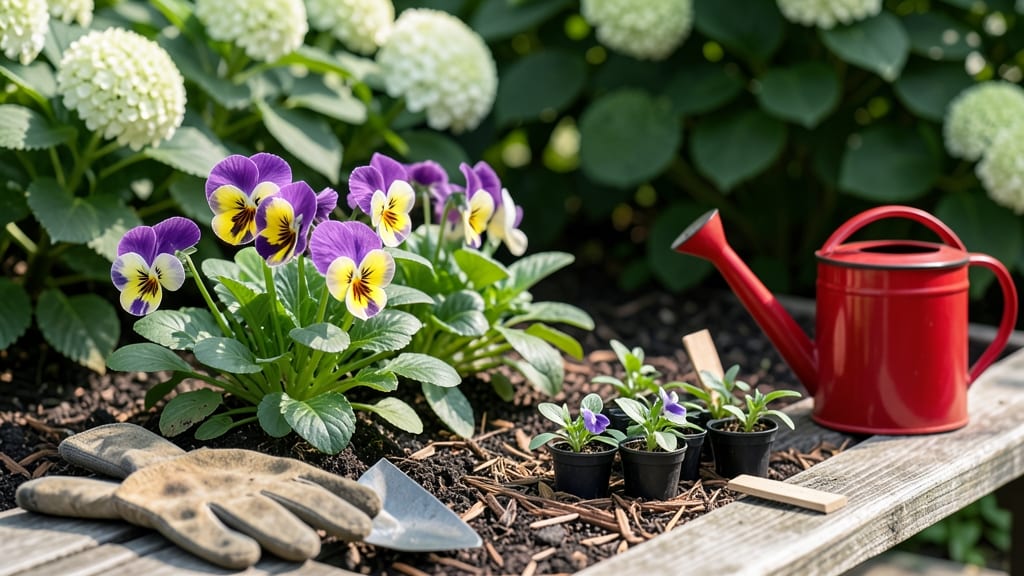
If you're dreaming of vibrant 🌸 pansies brightening your South Carolina garden, timing is everything—plant them too early, and frost will nip their blooms before they even begin.
The key to lush, long-lasting flowers lies in understanding South Carolina's unique climate, where mild winters and unpredictable frost dates create the perfect window for planting these cheerful annuals.
Most gardeners in USDA Zone 8a know fall is the golden season for pansies, but did you know spring planting can also deliver stunning results? With average first frosts hitting around November 15, September through October offers the ideal 6-8 week lead time before winter sets in.
But don't overlook those early spring months either—planting in February or March gives you a second chance for color before summer heat arrives.
Why does timing matter so much? Pansies need time to establish strong roots before facing South Carolina's occasional late frosts or summer heatwaves. I'll walk you through exactly when to plant for maximum blooms, how to prepare your soil, and which varieties thrive best in our coastal and piedmont regions.
Let's get those 🌸 pansies growing strong and beautiful!
From frost-date calculators to microclimate tips, you'll discover how to extend your pansies' bloom time and protect them from unexpected cold snaps. Whether you're a seasoned gardener or just starting, these practical insights will help you create a garden that stays colorful from fall through spring—without the guesswork.
South Carolina frost dates: the perfect window for planting pansies
South Carolina’s USDA Zone 7b/8a climate gives you two prime windows to plant pansies: fall and early spring. The key is timing your planting around the average first frost date (November 15) and last frost date (March 15).
Planting too late risks frost damage, while planting too early can lead to leggy, weak plants.
For fall blooms, aim to plant pansies 6-8 weeks before the first frost. This means mid-September to early October in most of SC. In Zone 7b (upstate), you might push to early September, while Zone 8a (coastal areas) can wait until late September.
Spring planting should happen 4-6 weeks before the last frost, which translates to mid-February to early March. Early spring pansies will bloom through late winter and early spring, adding vibrant color before summer annuals take over.
🌸
| Planting Window | Ideal Months | Key Considerations | Bloom Period |
|---|---|---|---|
| Fall Planting | Mid-Sept to Early Oct | 6-8 weeks before first frost | Fall through early winter |
| Spring Planting | Mid-Feb to Early March | 4-6 weeks before last frost | Late winter to early spring |
| Extended Fall | Late Aug to Early Sept | Use frost cloth for protection | Fall only (shorter season) |
To pinpoint the exact dates for your area, check the National Weather Service’s frost date maps or use a frost calculator like the one from the SC Extension Service.
For example, Charleston (Zone 8a) typically has a first frost around November 20, while Greenville (Zone 7b) may see frost as early as November 10.
If you’re unsure about your local frost dates, err on the side of earlier planting. Pansies planted too late in the season may not establish strong roots before cold weather sets in, leading to poor winter survival and reduced blooming.
For coastal SC, where winters are milder, you can sometimes push fall planting to early November. However, always have frost cloth on hand to protect your pansies from unexpected cold snaps, especially in Upstate SC, where temperatures can drop below 25°F.
🌡️
Pro tip: Plant pansies in well-draining soil with partial shade in the afternoon to prevent heat stress. In Zone 8a, you can even plant pansies as early as August if you use shade cloth to protect them from the summer heat until cooler weather arrives.
Always choose cold-hardy varieties like ‘Matrix’ or ‘Cool Wave’ for SC’s unpredictable winters. These varieties can tolerate temperatures down to 15°F, ensuring your pansies stay vibrant even during late frosts.
Fall vs. spring planting: which season gives the best pansy blooms?
Planting pansies in South Carolina gives you two prime chances for stunning blooms: fall and spring. Each season offers unique advantages, but timing matters for vibrant flowers and frost resilience. Let’s break down which season works best for your pansy varieties and how to maximize their potential.
For fall blooms, I recommend planting pansies between mid-September and October. This timing ensures they establish roots before the first frost (typically November 15 in SC). Fall-planted pansies often bloom until winter’s chill and may even survive light frosts, giving you early spring color too.
Spring planting, however, should happen 4-6 weeks before your last frost date (around February to early March). This gives pansies time to grow strong before warmer temperatures arrive. Spring-planted pansies tend to bloom longer in cooler months, but they may fade faster in summer heat.
Here’s how the two seasons compare for soil prep, sunlight, and spacing:
✅ Pros
- Blooms earlier in season
- More frost-resistant
- Less competition from weeds
✅ Pros
- Longer blooming season
- Warmer soil for root growth
- Avoids late summer heat stress
❌ Cons
- Risk of late frost damage
- Shorter daylight hours slows growth
❌ Cons
- Blooms may fade faster in heat
- Requires more watering in dry spells
Cold-hardy varieties like 'Matrix'
Heat-tolerant varieties like 'Cool Wave'
For soil preparation, both seasons require well-draining, organic-rich soil with a pH of 6.0-7.0. In fall, I add compost to improve fertility for early growth, while spring planting benefits from a light mulch to retain moisture as temperatures rise.
Spacing is another key difference: fall-planted pansies should be spaced 8-10 inches apart to allow airflow and reduce frost risk, while spring-planted ones can be slightly closer (6-8 inches) since they’ll grow faster in warmer soil.
No matter which season you choose, sunlight needs remain consistent—6+ hours of sun daily. In summer’s heat, provide afternoon shade to prevent wilting. With the right timing, your pansies will reward you with bold blooms from fall through spring! 🌸