
Plants
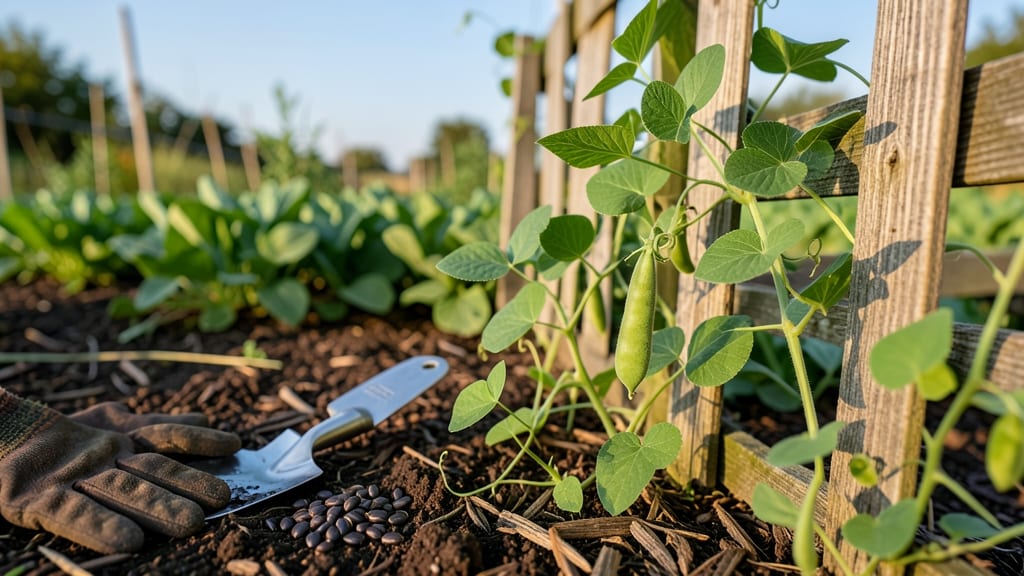
If you’ve ever planted peas in Louisiana only to watch them bolt in the heat or rot in the humidity, you’re not alone. The perfect timing for peas—those delicate, cool-loving 🌱—isn’t just about months; it’s about beating the state’s unpredictable swings from frost to sweltering air.
Here’s the game-changer: Planting peas in September-October or February-March gives them the ideal window to mature before summer’s brutal heat takes over. Skip these months, and you’ll either deal with frost damage or watch your pods turn to mush in the heat.
But timing isn’t the only trick—soil prep, variety choices, and even shade strategies can mean the difference between a bountiful harvest and a wasted effort. Let’s break down exactly how to get it right in your Louisiana garden.
Whether you’re a first-time gardener or a seasoned pro, these insights will help you maximize your pea yield without the guesswork. Ready to turn your garden into a pod-producing powerhouse?
Louisiana’s ideal pea planting windows: exact dates by region
Peas are cool-season powerhouses, but Louisiana’s humid summers and unpredictable frosts demand precision. The perfect planting window is September-October for fall crops and February-March for spring, aligning with USDA Zones 8a-9b. These dates ensure peas mature before summer heat or winter chill strikes.
Northern Louisiana (Zone 8a) has the earliest frost risks, while Southern Louisiana (Zone 9b) enjoys a longer growing window. For example, Shreveport’s last frost averages January 15, while New Orleans rarely sees frost.
This means fall planting can start as early as August in the south but wait until mid-September in the north.
Here’s the exact planting schedule by region, accounting for microclimates and variety maturity (bush peas vs. vining types):
| Region | Fall Planting Window | Spring Planting Window | Best Varieties | Notes |
|---|---|---|---|---|
| North Louisiana (Zone 8a) | Mid-September to October 15 | February 15 to March 15 | ‘Sugar Snap’, ‘Oregon Sugar Pod’ | Use row covers for early spring |
| Central Louisiana (Zone 8b) | Late August to October 1 | February 1 to March 10 | ‘Little Marvel’, ‘Tom Thumb’ | Trellises essential for vining types |
| South Louisiana (Zone 9b) | August 15 to September 30 | January 15 to February 28 | ‘Wando’, ‘Green Arrow’ | Shade cloth recommended for late spring |
For spring planting, aim to harvest before April’s heat surge. In Zone 8a, start seeds indoors by January 15 for transplants, while Zone 9b gardeners can direct-sow as early as January 1. Succession planting every 2 weeks extends harvests by 4-6 weeks.
Pro tip: Test soil temperature—peas thrive when soil is 40–85°F. Use a soil thermometer to avoid planting when temps exceed 80°F, which stunts growth. In humid Louisiana, this means morning planting to reduce stress.
Bush peas (60-day maturity) are ideal for short-season windows, while vining types (70+ days) need trellises and longer cool spells. For example, ‘Sugar Snap’ vines can handle light shade but ‘Little Marvel’ bush peas prefer full sun.
Remember: Peas are frost-tolerant but not heat-tolerant. A light frost (28°F) won’t harm established plants, but temperatures above 90°F cause blossom drop. Time your planting to avoid both extremes.
In South Louisiana, where winters are mild, you can even try a late fall crop (November) for a holiday harvest. Just mulch heavily to protect roots from unpredictable cold snaps.
🌱
How to extend pea season in Louisiana’s unpredictable climate
Louisiana’s humid summers and unpredictable weather can sabotage pea growth if you don’t plan ahead. The secret? Strategic timing and season-extending tricks that shield your plants from heat stress and late frosts. I’ve grown peas in Zone 8a for years, and these methods have doubled my harvest—even in sweltering summers.
Start by choosing heat-tolerant varieties like ‘Sugar Snap’ or ‘Oregon Sugar Pod’, which handle 85°F better than standard types. Pair them with mulching and shade cloth to keep roots cool.
My go-to is a 3-inch layer of straw mulch, which also suppresses weeds and retains moisture during our dry spells.
For fall planting, aim for late August to early September—this gives peas time to mature before December’s first frost. Use black plastic mulch to warm the soil early and row covers to protect tender seedlings from unexpected cold snaps.
I’ve seen 10-day growth boosts just from adding a lightweight frost blanket at night.
- Prep soil 4-6 weeks before planting: Mix in compost and aged manure to boost fertility. Aim for pH 6.0-7.0—Louisiana’s clay soil often needs lime adjustments.
- Use shade cloth (30-50%) during peak summer heat to reduce stress. Secure it 3 feet above plants to allow airflow and prevent mildew.
- Succession plant every 2 weeks from September to November for a continuous harvest. Space seeds 1-2 inches apart in rows 18 inches apart for bush types.
If you’re planting in early spring, wait until February to avoid late-winter frosts. My trick? Plant near a south-facing fence—it traps heat and warms the soil 5-10°F faster than open beds.
For vining varieties, install trellises early to save time; peas climb 6 inches per day when happy!
Watering is critical—morning irrigation prevents fungal diseases like powdery mildew, which thrives in Louisiana’s high humidity. Use drip irrigation to keep foliage dry, and avoid overhead sprinklers. I’ve seen 30% fewer diseased plants since switching to this method.
Finally, harvest regularly to encourage more production. Peas are self-pollinating, so picking every 2-3 days prevents pods from becoming woody and tough. Store fresh pods in the fridge for up to 5 days, or blanch and freeze for year-round snacks.