
Plants
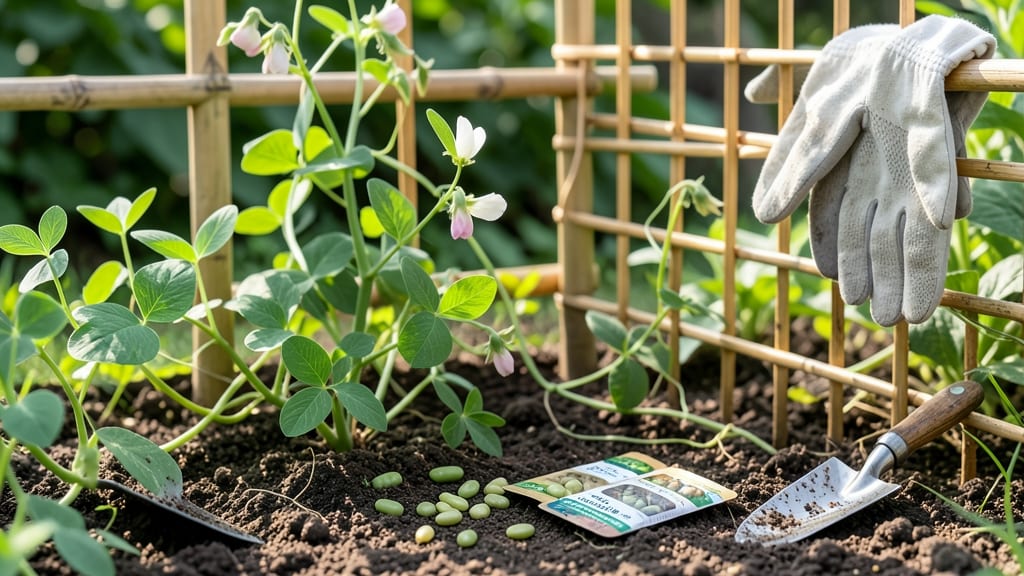
If you've ever wondered when to plant peas in Upstate NY, timing is everything—especially when late frosts can turn your garden dreams into a chilly disappointment.
Peas are the unsung heroes of spring gardens because they love cool weather and can handle light frosts, but planting too early in cold, wet soil or too late risks missing the sweet spot for a May-to-July harvest.
In Upstate NY's 5b-6b zones, the ideal window opens as early as late February for cold-hardy varieties, but most gardeners aim for March to April—just 4-6 weeks before your last frost date.
This gives your peas enough time to sprout before temperatures climb, while still avoiding the risk of a surprise frost that could stunt their growth.
What makes peas unique is their ability to thrive in conditions that would leave other crops struggling. Whether you're growing sugar snaps, snow peas, or classic English varieties, getting the timing right means fewer pests, better yields, and a head start on your garden's productivity.
Let’s break down the exact steps to ensure your peas get off to the best possible start.
From soil prep to variety selection, I’ll walk you through everything you need to know to turn your Upstate NY garden into a pea-producing powerhouse—without the guesswork. Ready to dig in?
Best planting windows for peas in Upstate NY’s climate zones
Upstate New York’s USDA Zones 5b-6b mean cold snaps can linger well into spring, but peas are uniquely equipped to handle these conditions. Their cool-season tolerance makes them ideal for planting 4-6 weeks before your last frost date, typically around mid-March to early April for most regions.
This timing ensures your peas establish roots before soil warms too much, preventing premature flowering.
For early spring planting, aim for late February to mid-March in southern Upstate NY (e.g., Syracuse, Rochester), where milder microclimates allow earlier sowing. In colder areas like the Adirondacks or Finger Lakes, wait until mid-to-late March to avoid planting into frozen, waterlogged soil.
Peas won’t germinate well below 40°F soil temperature, so check with a soil thermometer if unsure.
Don’t overlook fall planting opportunities! In Upstate NY, you can often sow a second crop of cold-hardy varieties in late August to early September, allowing for a harvest before the first frost (usually mid-October).
This strategy extends your growing season and reduces pest pressure common in late summer.
Succession planting is another game-changer. Since peas mature in 50-75 days, sow new seeds every 2-3 weeks from March through May to enjoy a continuous harvest. For example, plant your first batch in early April, then follow up with mid-April and late April sowings for staggered maturity.
If you’re using row covers or cold frames, you can push these windows even further. For instance, a floating row cover might let you plant as early as late February or extend your fall crop into early October.
Just remove covers during the day to prevent overheating and ensure proper pollination.
Here’s the golden rule: Peas hate heat. Once soil temperatures exceed 80°F, they’ll stop producing and may even bolt. In Upstate NY, this typically happens by late May or early June, so plan your last spring planting to finish harvesting before then.
🌱 Upstate NY Pea Planting Timeline
| Stage | Action | Notes |
|---|---|---|
| Late Winter | Prepare soil (southern Upstate) | Add compost; avoid tilling wet soil |
| Early Spring | Sow seeds (4-6 weeks before last frost) | 1-2 inches deep; 2-3 inches apart |
| Mid-Spring | Succession plant every 2-3 weeks | Extend harvest through June |
| Late Summer | Sow fall crop (late August) | Use cold-hardy varieties |
| Early Fall | Harvest before first frost | Typically by mid-October |
⏰ Pro Tip: Use a planting calendar like the Cornell Garden Planner for hyper-localized frost date data.
For direct sowing (the preferred method for peas), plant seeds 1-2 inches deep and 2-3 inches apart in rows spaced 12-18 inches apart. If you’re transplanting starts (less common for peas), do so when seedlings have 2-3 true leaves and soil is at least 45°F.
Transplanted peas often struggle to establish, so direct sowing is ideal.
Upstate NY’s microclimates play a huge role. Gardens near lakes or rivers (e.g., Lake Erie shorelines) may experience later frosts due to delayed warming, while inland areas like the Mohawk Valley can plant 1-2 weeks earlier.
Always scout your garden for frost pockets—low-lying areas where cold air settles—and protect vulnerable seedlings with lightweight row covers if needed.
Finally, consider pea trellises to save space and improve air circulation. In Upstate NY’s humid summers, good airflow reduces powdery mildew risk.
Use 5-6 foot tall stakes or wire trellises and plant seeds 6 inches from the trellis to support vining varieties like Sugar Snap or Oregon Sugar Pod. This also makes harvesting easier and keeps pods off the ground, where they’re more prone to rot.
With these timing strategies, you’ll avoid the two biggest pea-growing mistakes in Upstate NY: planting too early into cold soil or missing the window for a fall crop.
Stick to these guidelines, and you’ll enjoy fresh peas from May through October—just in time for those late-summer salads! 🌱
Pea varieties that thrive in Upstate NY’s short season (and when to plant each)
Upstate New York’s short growing season demands cold-hardy pea varieties that mature quickly and tolerate late frosts. The right variety can mean the difference between a bountiful harvest and wasted seeds.
Whether you’re planting for an early spring crop or a late fall harvest, choosing the right pea type—and timing it perfectly—is key to success in USDA Zones 5b-6b.
Not all peas are created equal when it comes to Upstate NY’s climate. Some varieties bolt in the heat, while others struggle with late spring frosts. Below, I’ve compared the best options for your garden, including their ideal planting windows and harvest timelines to fit your region’s short season.
| Variety | Type | Days to Maturity | Best Planting Window | Notes |
|---|---|---|---|---|
| Green Arrow | Dwarf Sugar Snap | 55-60 days | Early March–April | Cold-tolerant, great for early harvests. |
| Wando | Sugar Snap | 60-65 days | Late March–May | Mid-season performer, heat-tolerant. |
| Lincoln | English | 60-70 days | Late April–June | Classic shelling pea, late-season option. |
| Oregon Sugar Pod | Sugar Snap | 60-65 days | Early March–April | Sweet, cold-hardy, and disease-resistant. |
| Tom Thumb | Dwarf Shelling | 55-60 days | Late March–May | Perfect for container gardening. |
For a fall harvest, consider planting Lincoln or Wando in late summer (August) for a crop before the first frost. Use row covers to extend the season and protect tender pods from late-season chills.
If you’re experimenting with succession planting, try sowing seeds every 2 weeks from March through May to ensure a steady supply of fresh peas.
Peas are one of the few vegetables that actually thrive in cooler temperatures, making them a smart choice for Upstate NY’s unpredictable springs. By selecting the right variety and sticking to the recommended planting windows, you’ll enjoy a long, productive harvest without the stress of frost damage. 🌱