
Plants
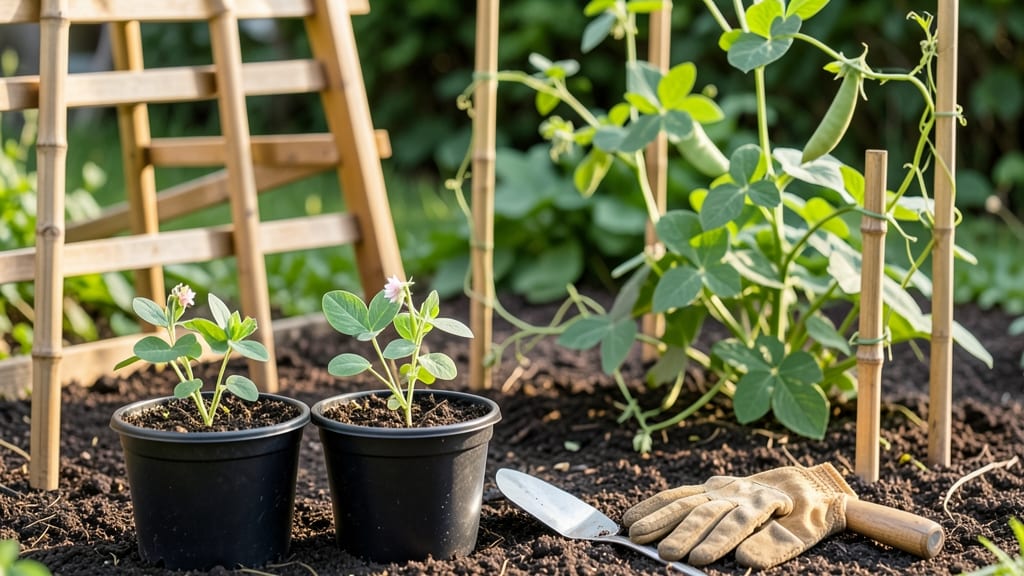
Knowing when to plant peas in Zone 7a can mean the difference between a bountiful harvest and a sad, frost-nipped garden.
These cool-weather lovers thrive when soil temperatures hover between 40-50°F, but timing is tricky—plant too early, and you risk frost damage; too late, and you’ll miss the sweetest pods of the season.
In Zone 7a, where last frosts typically hit around March 15, the ideal window for spring planting is February to early March. But don’t overlook fall plantings either—late September or October can yield a second harvest before winter sets in.
The key? Monitoring soil temps and adjusting for your local microclimate, whether you’re in Raleigh, Richmond, or Nashville.
I’ll break down the exact soil temperature thresholds, frost-free strategies, and how to prep your garden for zero-frost success. Plus, I’ll share which pea varieties handle Zone 7a’s quirks best—because not all peas are created equal when it comes to cold tolerance.
Ready to grow peas that outperform the frost? Let’s dive into the secrets that’ll have you harvesting crisp, sweet pods all season long.
Peas planting calendar for Zone 7a: exact dates based on soil temperature
Zone 7a gardeners know timing is everything for peas—these cool-season crops thrive when soil temperatures hover between 40°F and 50°F. Plant too early, and frost will kill your seedlings; wait too late, and summer heat will stunt growth.
The key is aligning your planting with soil temperature thresholds, not just calendar dates.
In Zone 7a, the average last frost date falls around March 15, but this can vary by 1-2 weeks depending on your exact location (e.g., Raleigh vs. Richmond).
For zero-frost success, aim to plant peas 4-6 weeks before your local last frost date. This gives seedlings time to establish roots before warmer weather arrives.
Here’s the breakdown: Early spring plantings (February–March) yield the sweetest peas, while fall plantings (September–October) extend your harvest into late autumn. Both windows rely on soil temps staying below 50°F—critical for germination and early growth.
🌱
For succession planting, sow peas every 2 weeks from February through April to ensure a continuous harvest. This works because peas mature quickly—typically in 60–70 days—so staggered plantings keep your table stocked with fresh pods.
If your spring arrives earlier than average (e.g., Raleigh in 2023), delay planting until soil temps drop below 50°F to avoid heat stress. Use a soil thermometer (not air temperature!) to confirm readiness—this is the #1 mistake gardeners make.
In late summer, aim for fall plantings by September 1 to harvest before the first frost (November 15 in Zone 7a). Choose cold-hardy varieties like ‘Green Arrow’ or ‘Wando’, which tolerate light frosts and produce sweeter peas in cooler weather.
Pro tip: In Richmond or Nashville, where nights stay chilly longer, you can push fall plantings to mid-October—just cover seedlings with row fabric if temps dip below 35°F.
🌿
Remember, peas are self-pollinating and thrive in cool, moist conditions. If your soil warms above 60°F, growth slows, and pods become tough. By mastering these soil temp windows, you’ll avoid the two biggest pea-growing pitfalls: frost damage and heat stress.
How to test soil temperature for peas: a step-by-step guide
Peas are cool-season champions, but they won’t germinate well in cold, damp soil. The secret to success? Checking your soil temperature before planting. Peas thrive when soil reaches 40-50°F, but hitting that sweet spot in Zone 7a means timing your test just right.
Here’s how I do it every year without fail.
First, grab a soil thermometer—they’re cheap and save you from guessing. I like the digital probe type because it’s fast and accurate. Stick it 2 inches deep (where pea seeds will be) and wait 30 seconds for a reading.
This mimics the depth where your peas will germinate, not just surface temps that can be misleading.
🌱 Step-by-Step Soil Temp Check
- Morning Test: Check temps between 9-11 AM when soil is warmest from overnight.
- 2-Inch Depth: Insert probe 2 inches deep—pea seeds need warmth here to sprout.
- Wait 30 Sec: Let the thermometer stabilize for an accurate reading.
- Compare to Chart: Use the 40-50°F range as your planting trigger.
- Repeat Daily: Soil temps fluctuate—test for 3 consecutive days before planting.
Zone 7a’s unpredictable spring weather can throw off your timing. If your soil hovers around 35°F, wait—peas won’t germinate. But if it’s 55°F+, you’ve missed the window.
The 40-50°F range is your goldilocks zone: warm enough for germination but cool enough to avoid bolting (when peas flower too quickly and lose sweetness).
Pro tip: Shade cloth or black plastic can warm cold soil by 5-10°F if you’re in a rush. Lay it down a day before testing to see if it pushes your soil into the ideal range. Just remove it after planting—peas need sunlight, not smothering.
What if your soil is too cold for weeks? Try fall planting instead. Zone 7a’s September-October often delivers stable 50-60°F soil temps, perfect for a second harvest. I’ve had great luck with sugar snap peas planted in early September—they mature before the first frost hits.
Remember: Consistency is key. Test the same spot each time, and plant when 3 out of 4 readings fall within your target range. This method has never failed me—my peas pop up like clockwork, and I avoid the heartbreak of frozen seedlings.