
How To
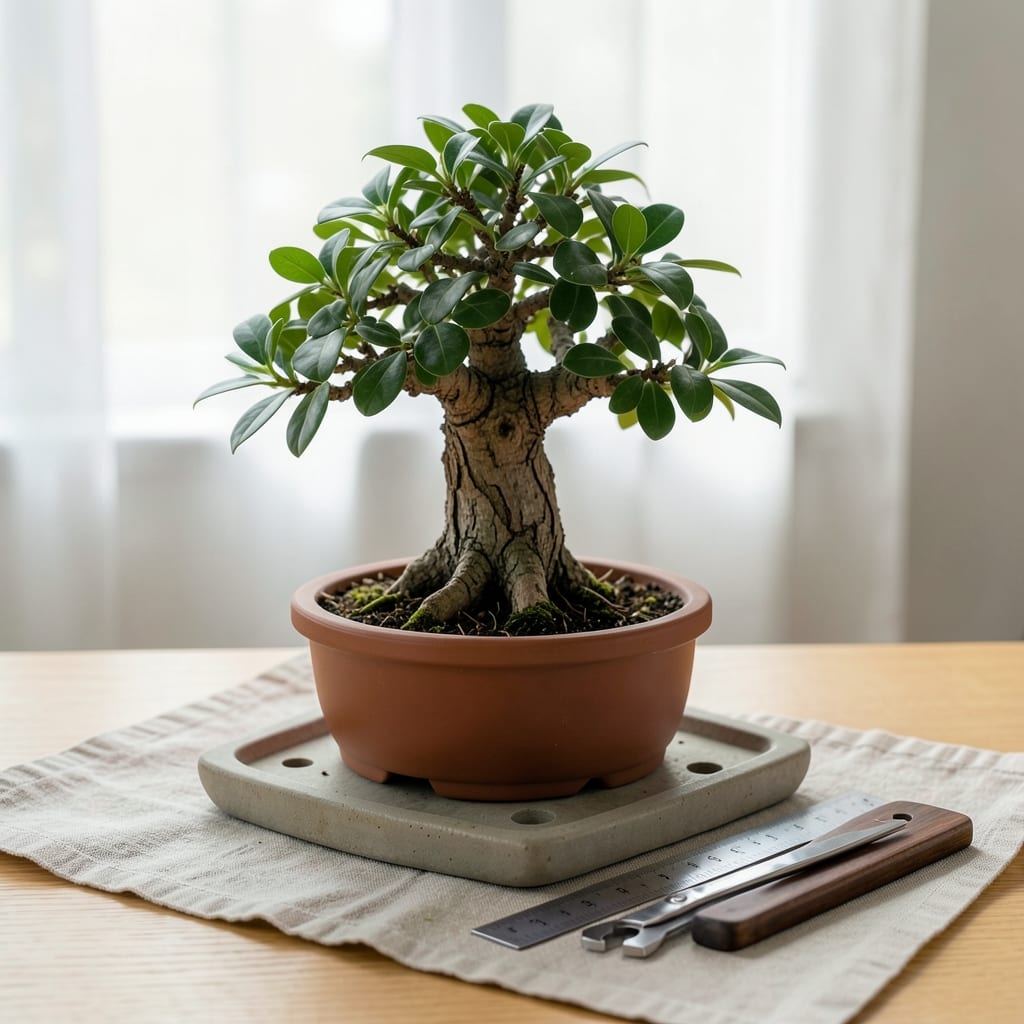
If you’ve ever wondered, bonsai tree how tall do they grow—and whether your coffee table can handle it—you’re not alone. The truth is, these miniature masterpieces 🌳 stay small because of how you care for them—not just by chance. Whether you’re a beginner or a seasoned gardener, understanding the natural growth limits of your bonsai is the first step to shaping its perfect size.
The height of a bonsai tree depends more on your techniques than the species itself. While some varieties like junipers or pines naturally stay under 2 feet, others—like ficus or trident maples—can reach 3 feet if left unchecked. The key? Pruning, wiring, and patience turn a fast-growing sapling into a lifelong work of art. Let’s break down how to keep your bonsai at the height you love.
You might be surprised to learn that even the tallest bonsai trees rarely exceed 3 feet in cultivation. That’s because the real magic happens in how you guide its growth—not just trimming branches, but shaping its roots and even adjusting its pot size. Think of it like sculpting: every cut and technique refines the final form. Ready to discover the secrets behind controlling your bonsai’s height?
From choosing the right species to mastering seasonal pruning, this guide will show you exactly how to keep your bonsai at its ideal size. Whether you want a desktop-sized tree or a floor-statement piece, the tools and timing are all within your reach. Let’s get started!


Natural height limits of popular bonsai tree species
Bonsai trees are nature's miniature masterpieces, but their maximum height varies dramatically depending on the species and your cultivation goals. While some stay under 12 inches, others can reach 3 feet or more with proper care. The key lies in understanding each tree's inherent growth potential and how bonsai techniques modify that potential.
Most bonsai trees remain between 1 to 3 feet tall when mature, but some dwarf varieties like the Japanese Black Pine or Dwarf Jade stay under 18 inches. Fast-growing species like Ficus or Chinese Elm can exceed these limits if not carefully managed. Your choice of species determines whether you'll be styling a desk-sized bonsai or a showcase centerpiece.
Here’s how wild tree heights translate to bonsai form—where a 100-foot-tall redwood becomes a 2-foot bonsai through decades of careful pruning and training. The art of bonsai isn’t just about small trees; it’s about controlling growth to create the illusion of age and grandeur in miniature.
| Species | Wild Mature Height | Bonsai Height Range | Growth Rate | Best For |
|---|---|---|---|---|
| Japanese Black Pine | 50-100 ft | 12-24 inches | Slow | Beginners, outdoor display |
| Ficus (Fig) | 30-50 ft | 1-3 feet | Moderate | Indoor/outdoor, fast styling |
| Juniper | 20-40 ft | 1-2 feet | Slow-Moderate | Outdoor, rugged styles |
| Chinese Elm | 40-60 ft | 1.5-3 feet | Fast | Indoor/outdoor, forgiving |
| Maple (Acer) | 30-50 ft | 1-2.5 feet | Moderate | Seasonal color, outdoor |
| Dwarf Jade | 3-5 ft (wild) | 6-12 inches | Very Slow | Desk bonsai, low light |
| Azalea | 6-10 ft | 1-2 feet | Slow | Floral display, shade |
The Japanese Black Pine is a favorite for beginners because its slow growth rate makes it easier to maintain a compact form. In contrast, the Chinese Elm grows faster, which means more frequent pruning—but also quicker results if you're aiming for a taller bonsai. Always match your species selection to your patience level and desired display
How pruning and training techniques control bonsai growth height
Pruning isn't just about shaping your bonsai—it's the secret weapon to controlling height. When I first started, I thought bonsai trees stayed small by magic, but pruning techniques are what truly limit vertical growth. The key is timing: prune in early spring when new growth begins, and you'll see dramatic differences in height control over time.
Wiring is another powerful tool in your arsenal. By gently wrapping wires around branches, you guide them into desired positions, preventing upward growth. For example, wiring at a 45° angle can reduce vertical growth by 30% compared to letting branches grow naturally. Just remember: remove wires after 2-3 months to avoid scarring the bark.
Don't overlook defoliation, either. Removing leaves in late spring encourages smaller, denser foliage and slows overall growth. For deciduous bonsai like maples, this means pinching off half the leaves—but be gentle! Too aggressive, and you'll shock the tree. The goal is controlled stress, not damage.
Root pruning is often forgotten but equally important. Every 2-3 years, trim the roots to match the pot size. This forces the tree to focus energy on developing a stronger, more compact root system rather than shooting upward. I learned this the hard way when my pine bonsai nearly doubled in height after skipping root pruning for a year!
Here’s a pro tip: combine techniques for maximum effect. For instance, wire your tree in spring, prune new growth in summer, and root-prune in early fall. This multi-season approach keeps your bonsai at your desired height while maintaining its health and aesthetic appeal.
🌿 Bonsai Height Control Techniques
- 🪴 Wiring: Guide branches at angles to reduce vertical growth by up to 30%. Remove after 2-3 months.
- ✂️ Pruning: Trim new growth in early spring to maintain compact size. Focus on 1/3 of the new shoots.
- 🌱 Defoliation: Remove half the leaves in late spring for smaller, denser foliage. Best for deciduous bonsai like maples.
- 🌿 Root Pruning: Trim roots every 2-3 years to match pot size. Encourages stronger, compact growth.
- ☀️ Light Control: Limit sunlight to 4-6 hours daily to slow growth. Avoid harsh afternoon sun.
Patience is key—bonsai growth is slow by design. If your tree starts growing taller than you want, reduce watering slightly (but never let it dry out completely) and avoid heavy fertilizing in the summer. These small adjustments can make a big difference over time. With consistent care, you'll master the art of keeping your bonsai at the perfect height.