
Flowers
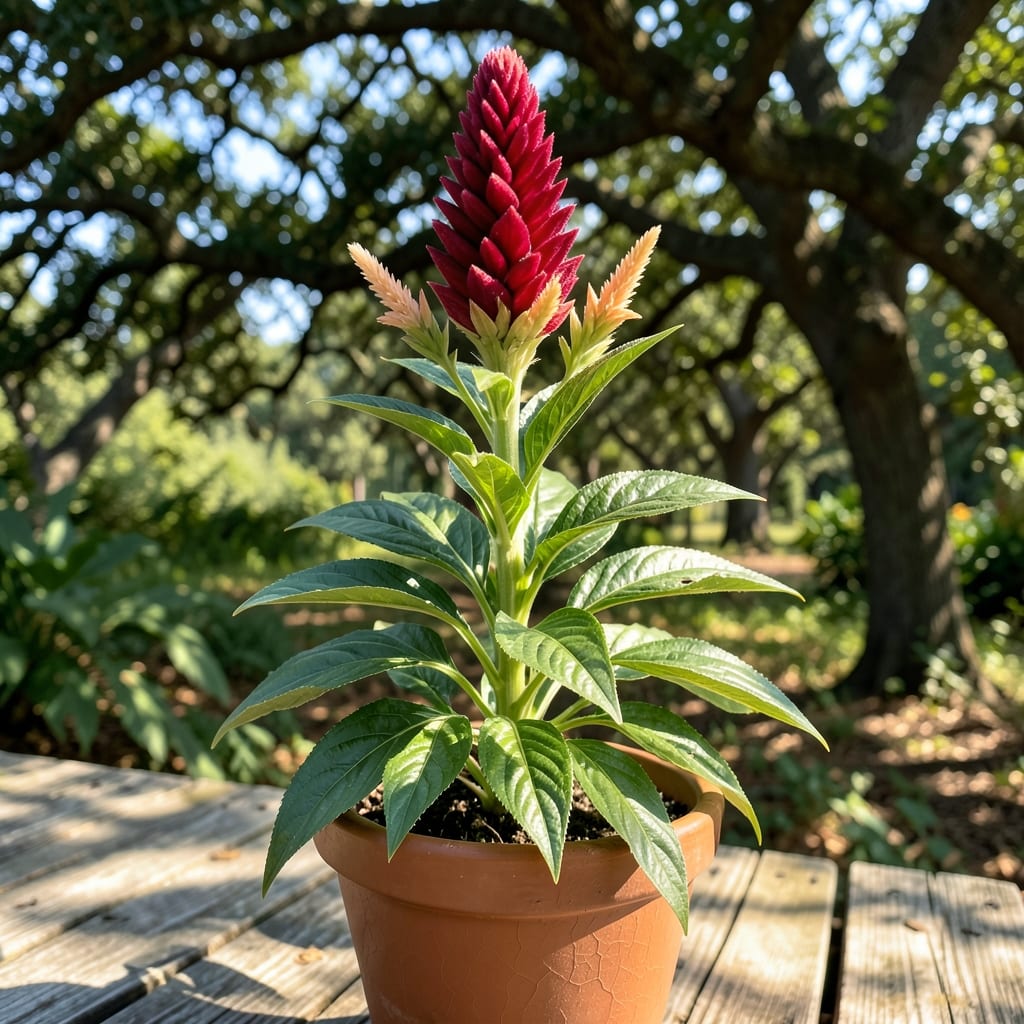
Wondering how tall celosia how tall do they grow and whether it’ll fit perfectly in your garden? The answer depends more on the variety than you might think—some stay compact like a 12-inch ground cover, while others reach waist-high at 3 feet or more!
If you’re planning your spring garden in Zone 6a, knowing these height ranges is key to spacing and companion planting. The right placement can turn your celosia into a bold focal point or a delicate border, depending on what you choose.
Let’s break down the height differences between popular varieties—like the fluffy plumosa types and the velvety cristata—and share pro tips to control growth naturally. You’ll also discover which plants pair best to maximize their impact without overcrowding.
Ready to transform your garden with these vibrant blooms? We’ll cover everything from pruning tricks to sunlight secrets so your celosia thrives at just the right height for your space.


Celosia height by variety: compact vs. tall growing types explained
When planning your garden, knowing celosia height is crucial—these plants range from 12-inch dwarfs to 3-foot giants, each with distinct care needs. The three main types—plumosa, cristata, and spicata—offer unique shapes and sizes, making them perfect for borders, containers, or bold backdrops.
For small gardens, dwarf varieties like 'Tom Thumb' stay under 12 inches, while medium types like 'Fireworks' reach 18-24 inches. Tall varieties such as 'Cockscomb' can soar to 3 feet or more, creating dramatic focal points in larger spaces.
Here’s a quick guide to help you visualize their mature heights and ideal uses in your landscape:
The plumosa type, like 'Fireworks,' typically grows to 18-24 inches and thrives in full sun. Its feathery blooms add texture to borders or containers, while its vibrant colors attract pollinators like butterflies and bees.
For cristata varieties, such as 'Cockscomb,' expect heights of 12-36 inches. These plants produce striking, cock’s comb-like flower heads that make them ideal for backdrop plantings or as cut flowers. Their bold shapes add drama to any garden.
If you’re working with limited space, dwarf varieties like 'Tom Thumb' are perfect. They stay under 12 inches and are ideal for window boxes or small pots. Their compact size makes them low-maintenance and versatile for urban gardens.
Taller varieties, such as 'Vintage Flame', can reach 3 feet or more. These are best suited for backdrop plantings or as focal points in larger garden beds. Pair them with sun-loving companions like marigolds or zinnias for a stunning display.
Remember, celosia height can vary based on growing conditions. Providing well-draining soil and consistent moisture will help your plants reach their full potential while maintaining their vibrant colors and sturdy stems.
🌸
How to control celosia height: pruning, spacing & care tips for optimal growth
If your celosia is growing taller than expected or looking leggy, don’t worry—there are simple ways to guide its height naturally. The key is understanding how pruning, spacing, and soil conditions influence growth. Whether you want a compact bush or a towering specimen, these tips will help you achieve the perfect height for your garden.
Start by planting celosia in well-draining soil enriched with compost. This ensures sturdy stems that support their weight without flopping. For tall varieties like 'Cockscomb,' stake them early to prevent bending, especially in windy conditions. Proper spacing—12-18 inches apart for medium varieties and 24 inches for tall types—gives roots room to establish and reduces competition for nutrients.
Here are my top strategies to manage celosia height effectively:
- 1. Pinch Back Early: Trim the top set of leaves when seedlings are 4-6 inches tall to encourage bushier growth. This redirects energy to side shoots, creating a fuller plant.
- 2. Deadhead Regularly: Remove spent blooms to prevent seed production, which can cause leggy growth. Use clean pruners to snip just above a leaf node for a tidy look.
- 3. Prune for Shape: Lightly trim overgrown stems to maintain your desired height. For plumosa varieties, focus on shaping the plume-like blooms to keep them upright.
- 4. Fertilize Strategically: Use a balanced fertilizer (5-10-10) every 4-6 weeks during the growing season. Avoid over-fertilizing, which can lead to rapid, weak growth.
- 5. Support Tall Varieties: Install stakes or cages for varieties like 'Vintage Flame' to prevent flopping. Secure stems gently to avoid damaging the delicate stems.
For compact varieties like 'Tom Thumb,' focus on keeping them well-watered and pinched back to maintain their 6-12 inch height. These types thrive in containers or window boxes, where their small size adds charm without overwhelming the space.
If your celosia starts to stretch toward the light, it’s likely not getting enough sunlight. Move them to a sunnier spot (at least 6 hours of direct sun) to encourage balanced growth. In shadier conditions, expect slower growth and fewer blooms, which can make stems leggy.
With these techniques, you’ll have celosia that grows to your desired height while staying healthy and vibrant all season long. Whether you’re aiming for a low border or a dramatic backdrop, a little pruning and attention to spacing will make all the difference.
✂️