
Size
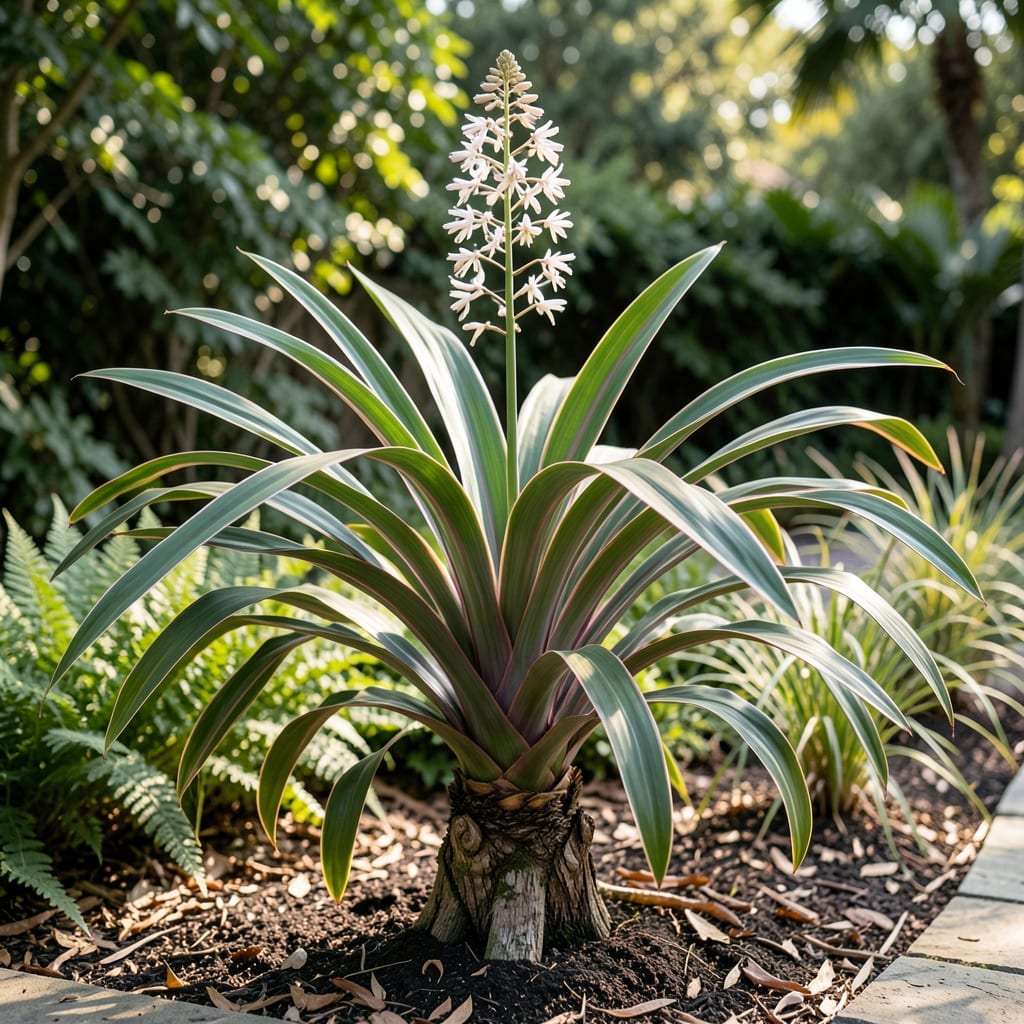
If you're wondering "cordyline how tall do they grow", the answer might surprise you—these striking plants can range from compact 3-foot shrubs to towering 20-foot giants, depending on the variety. Whether you're dreaming of a lush, tropical border or a statement plant for your patio, Cordyline 🌿 offers options for every space.
The key to choosing the right one lies in understanding how each type matures. Some varieties, like Cordyline fruticosa, stay manageable in containers, while others, such as Cordyline australis, stretch toward the sky with time. I’ll break down the height differences so you can pick the perfect fit for your garden or home.
But here’s the thing: height isn’t just about space—it’s also about style. A shorter Cordyline adds vibrant color to a small yard, while a taller one becomes a focal point in larger landscapes. Let’s explore how to match these plants to your vision without sacrificing their stunning foliage.
Ready to transform your outdoor space? I’ll share care tips to keep your Cordyline thriving at any size, from pruning tricks to placement hacks. Let’s get started!


Cordyline height by variety: from compact to towering giants
When planning your garden, knowing the cordyline height by variety is essential. These tropical beauties come in stunning colors and sizes, so choosing the right one depends on your space and vision. Some varieties stay compact, perfect for containers or small gardens, while others grow tall enough to anchor large landscapes.
For example, Cordyline fruticosa (Ti Plant) typically reaches 6–10 feet in ideal conditions, making it a standout focal point. Meanwhile, Cordyline australis can soar to 15–20 feet, rivaling small trees. The key is matching the plant’s mature size to your garden’s layout.
Here’s a quick look at how different cordyline varieties grow, including their ideal spacing and care needs:
| Variety | Mature Height | Growth Habit | Best For |
|---|---|---|---|
| Cordyline fruticosa 'Red Star' | 3–5 ft | Compact, bushy | Containers, small gardens |
| Cordyline australis 'Atropurpurea' | 10–15 ft | Tall, upright | Large landscapes, hedges |
| Cordyline indivisa 'Torbay Dazzler' | 4–6 ft | Clumping, multi-stemmed | Borders, mixed beds |
| Cordyline terminalis 'Sunset Glow' | 6–10 ft | Slender, arching | Tropical gardens, focal points |
| Cordyline 'Firebrand' | 3–4 ft | Dwarf, dense | Patios, urban gardens |
If you’re wondering how long it takes for cordyline to reach these heights, most varieties grow 1–2 feet per year under ideal conditions. However, factors like sunlight, soil quality, and watering can speed up or slow down growth. For instance, Cordyline australis may take 5–7 years to reach its full height, while dwarf varieties like 'Firebrand' mature faster.
Another critical factor is container growth. Cordylines in pots stay smaller—usually 20–30% shorter than their ground-planted counterparts—because their roots are restricted. This makes them perfect for balconies or patios where space is limited.
For larger gardens, taller varieties like Cordyline 'Torbay Dazzler' create stunning vertical interest. Pair them with shorter plants like Heuchera or Ferns to balance the height difference. The key is planning ahead—cordylines don’t like being transplanted once established, so give them plenty of room from the start.
One common mistake is assuming all cordylines grow the same. Cordyline terminalis, for example, has a slender, arching habit and can sprawl wider than its height, while Cordyline fruticosa grows more upright. Always check the variety’s growth habit before planting to avoid overcrowding.
Pro tip: If you’re unsure about spacing, start with a 5-foot diameter for each mature plant. This ensures airflow and prevents disease, especially in humid climates where cordylines thrive. With the right variety and care, your cordyline will not only reach its full height but also become a showstopper in your garden.
Now that you know the height ranges, let’s explore how to manage growth naturally—whether you want to keep your cordyline compact or encourage it to reach its full potential. 🌱
How to control cordyline growth height naturally (pruning & care)
Once you’ve picked your cordyline variety, you might want to control its height to fit your space or shape it into a desired form. The good news? Cordylines respond well to natural growth management techniques, so you don’t need harsh methods like topping. Instead, focus on pruning, light exposure, and soil conditions to guide their growth.
For example, if you have a Cordyline australis reaching toward your roof, strategic pruning can keep it at a manageable 6–8 feet while encouraging bushier foliage. The key is timing—prune in early spring before new growth begins, or right after flowering if your variety produces blooms.
Here’s how to manage cordyline height naturally, step by step:
- 🌱 Prune selectively: Cut back 1/3 of the tallest stems to the nearest leaf node. This encourages branching and a fuller shape without stunting growth.
- ☀️ Adjust sunlight: Place taller varieties in partial shade to slow vertical growth. Move them to full sun if you want faster, but controlled, height increases.
- 💧 Water deeply but less often: Overwatering can lead to leggy growth. Let the top 2 inches of soil dry out between waterings to promote compactness.
- ✂️ Shape with shearing: Use hedge shears for varieties like Cordyline 'Firebrand' to maintain a neat, rounded form. Do this in late spring to avoid damaging new shoots.
- 🌿 Fertilize lightly: Use a balanced 10-10-10 fertilizer sparingly—overfeeding can lead to rapid, unchecked growth. Apply in early spring and summer only.
If your cordyline is already too tall for its spot, consider transplanting in early spring. Dig up the plant, trim the roots by 10–15%, and replant it in a larger container or a new garden bed. This slows height growth while redirecting energy to root development.
For container-grown cordylines, root pruning is a game-changer. Every 2–3 years, remove the plant from its pot and trim 1/4 of the roots. This restricts height while encouraging thicker foliage. Pair this with a well-draining potting mix to prevent root-bound stress.
One mistake many gardeners make is pruning too late in the season. Avoid cutting back after mid-summer, as this can leave your cordyline vulnerable to cold damage before it has time to recover. Instead, plan pruning sessions for March or April to give your plant plenty of time to regenerate.
With these techniques, you can keep your cordyline at your desired height—whether you’re aiming for a 3-foot patio plant or a 10-foot landscape focal point. The secret is consistency: combine pruning with proper care, and your cordyline will thrive at the perfect size for your space. 🪴