
How To
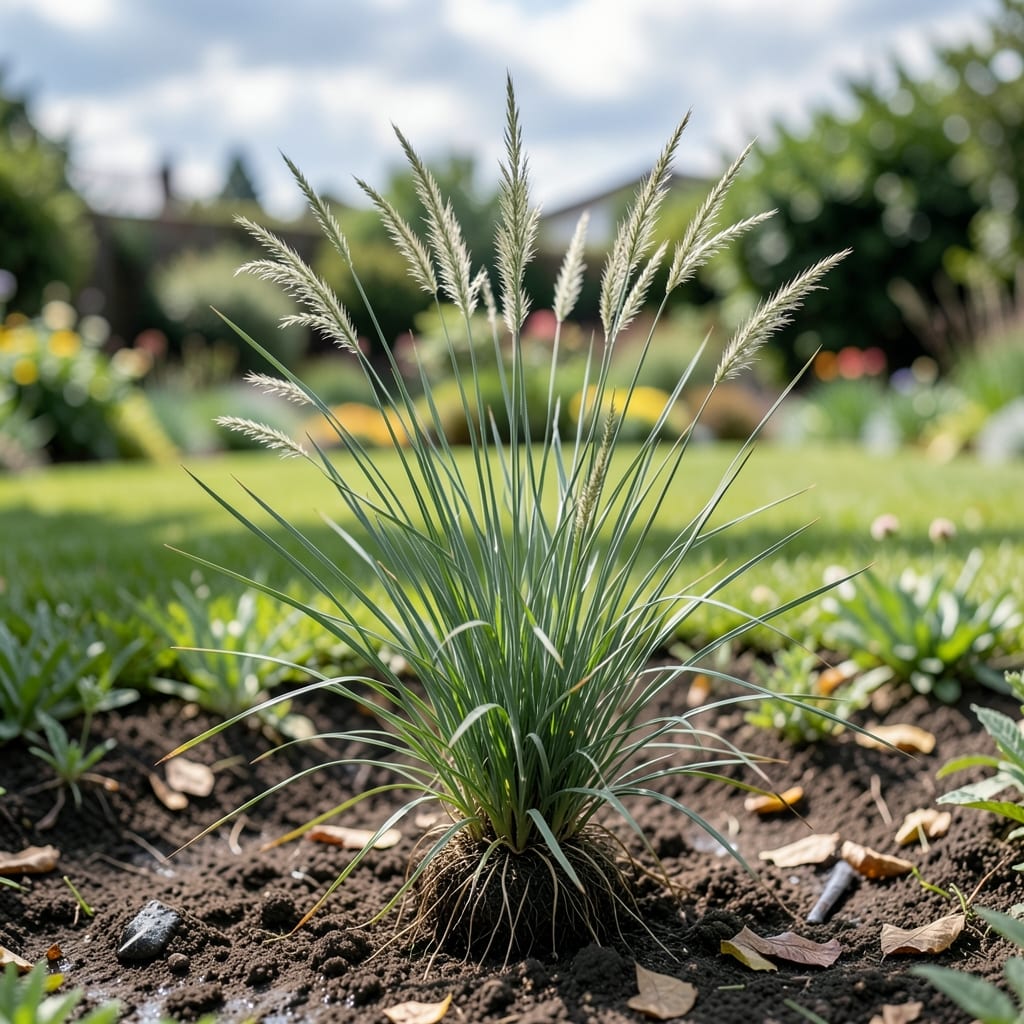
If you're planting tall fescue and wondering how fast that patchy lawn will turn into a lush carpet, here's the good news: this grass grows faster than most people expect—when conditions are right.
Under ideal conditions in USDA Zone 6a, tall fescue can establish itself at a steady 1–1.5 inches per week during peak growing seasons. That means in just 4–6 weeks, you could see dramatic improvements if you're watering correctly and giving it the right nutrients.
But here's the catch: seasonal changes, soil quality, and even your watering habits can slow things down. Too much shade? Growth might stall. Overwatering? You're actually doing more harm than good. Let me break down exactly what affects your grass's speed and how to keep it growing at its fastest pace.
Whether you're seeding in late summer or early fall, knowing these growth rates helps you plan everything from mowing schedules to fertilizing—so you can enjoy that thick, green lawn sooner rather than later.


Tall fescue growth rates by season: weekly progress explained
Tall fescue is one of the fastest-growing cool-season grasses, but its speed varies dramatically by season. In ideal conditions—full sun, 60–75°F temperatures, and consistent moisture—you can expect 0.5–2 inches of growth per week during peak seasons. Understanding these seasonal rhythms helps you set realistic expectations for your lawn’s transformation.
Spring kicks off growth as soil warms, with 1–1.5 inches per week once temperatures stabilize above 50°F. Summer maintains this pace if rainfall or irrigation keeps soil moist, while fall slows slightly to 0.5–1 inch per week as days shorten. Winter growth nearly halts, but proper care ensures a vigorous rebound in spring.
Here’s how tall fescue’s growth compares across seasons, including key factors that influence speed:
| Season | Weekly Growth Rate | Ideal Conditions | Care Tips |
|---|---|---|---|
| Spring | 1–1.5 inches | 50–70°F, 6+ hours sun | Fertilize with nitrogen, water deeply 2x/week |
| Summer | 0.5–2 inches | 60–85°F, consistent moisture | Mow high (3–4 inches), water early morning |
| Fall | 0.5–1 inch | 40–60°F, moderate sunlight | Aerate soil, apply slow-release fertilizer |
| Winter | 0–0.25 inches | Below 40°F, minimal sunlight | Reduce watering, avoid heavy foot traffic |
In spring, tall fescue’s growth accelerates as roots establish deeper in the soil. Aim for 1 inch per week by late May if you’ve prepped the soil with compost and a balanced fertilizer (10-10-10). Overwatering here can lead to fungal issues, so prioritize deep, infrequent watering—about 1–1.5 inches per week.
Summer is tall fescue’s peak growth season, but heat stress can slow it down if soil dries out. To maintain 1–2 inches per week, water early in the morning to reduce evaporation, and mow at 3–4 inches tall to retain moisture. Avoid walking on the lawn when grass is wet to prevent compaction.
Fall growth slows as daylight decreases, but this is the best time to strengthen roots for winter. Apply a slow-release fertilizer in early September to support 0.5–1 inch of growth while preparing for dormancy. Aerate compacted soil to improve nutrient absorption during this critical window.
Winter dormancy isn’t a time for growth, but proper care ensures your tall fescue rebounds quickly in spring. Limit watering to monthly unless snow covers the lawn, and avoid heavy foot traffic to prevent soil compaction. A light layer of mulch can protect roots from freezing temperatures.
Monitor your lawn’s progress by marking a 1-foot section with stakes and measuring weekly growth. Adjust care practices based on seasonal changes—more water in summer, fertilizer in fall, and minimal disturbance in winter—to keep tall fescue growing at its optimal pace year-round.
Factors that speed up or slow down tall fescue growth
Your tall fescue’s growth rate isn’t just about time—it’s about ideal conditions like soil pH, nitrogen levels, and watering habits. Even the best grass can struggle if these factors aren’t aligned. Let’s break down what accelerates or stunts growth so you can fine-tune your lawn care.
First, soil pH between 6.0–7.5 is critical. Tall fescue thrives in slightly acidic to neutral soil. If your soil is too alkaline (above 7.5), nutrients like iron and zinc become unavailable, slowing growth. Test your soil—it’s the first step to unlocking faster expansion.
Adequate nitrogen levels fuel rapid growth, but too much causes leaf burn. Aim for 0.5–1.0% nitrogen in your soil. Slow-release fertilizers (like 10-10-10) provide steady nutrition without overloading your grass. Think of it as a steady diet for your lawn.
Watering is another game-changer. Tall fescue needs 1–1.5 inches of water weekly, but deep, infrequent watering encourages deep root growth. Shallow, frequent watering keeps roots near the surface, making grass more susceptible to drought and heat stress.
Sunlight exposure also plays a role. While tall fescue tolerates partial shade, it grows 2x faster in full sun (6+ hours daily). If your lawn is in shade, expect slower growth—think 0.25–0.5 inches per week instead of the peak 1.5–2 inches.
Now, let’s talk about the top 3 mistakes that stunt growth. Overwatering, compacted soil, and poor drainage are silent growth killers. Overwatering suffocates roots by cutting off oxygen, while compacted soil restricts root expansion. Poor drainage leads to fungal diseases, weakening the grass.
🌱 Top 3 Growth-Stunting Mistakes
- 💧 Overwatering: Leads to root suffocation and fungal growth.
- 🪣 Compacted Soil: Restricts root expansion, limiting nutrient uptake.
- 🌧️ Poor Drainage: Causes waterlogging, inviting diseases like brown patch.
Fix these issues, and you’ll see noticeable growth improvements within 4–6 weeks.
To maximize growth, focus on aeration in early fall, balanced fertilization, and consistent watering. Avoid the pitfalls above, and your tall fescue will reach its full potential—12–24 inches tall—faster than you’d expect.
Ready to give your lawn the boost it needs? Start with a soil test and adjust your care routine accordingly. Your grass will thank you with vibrant green growth in no time! 🌿