
How To
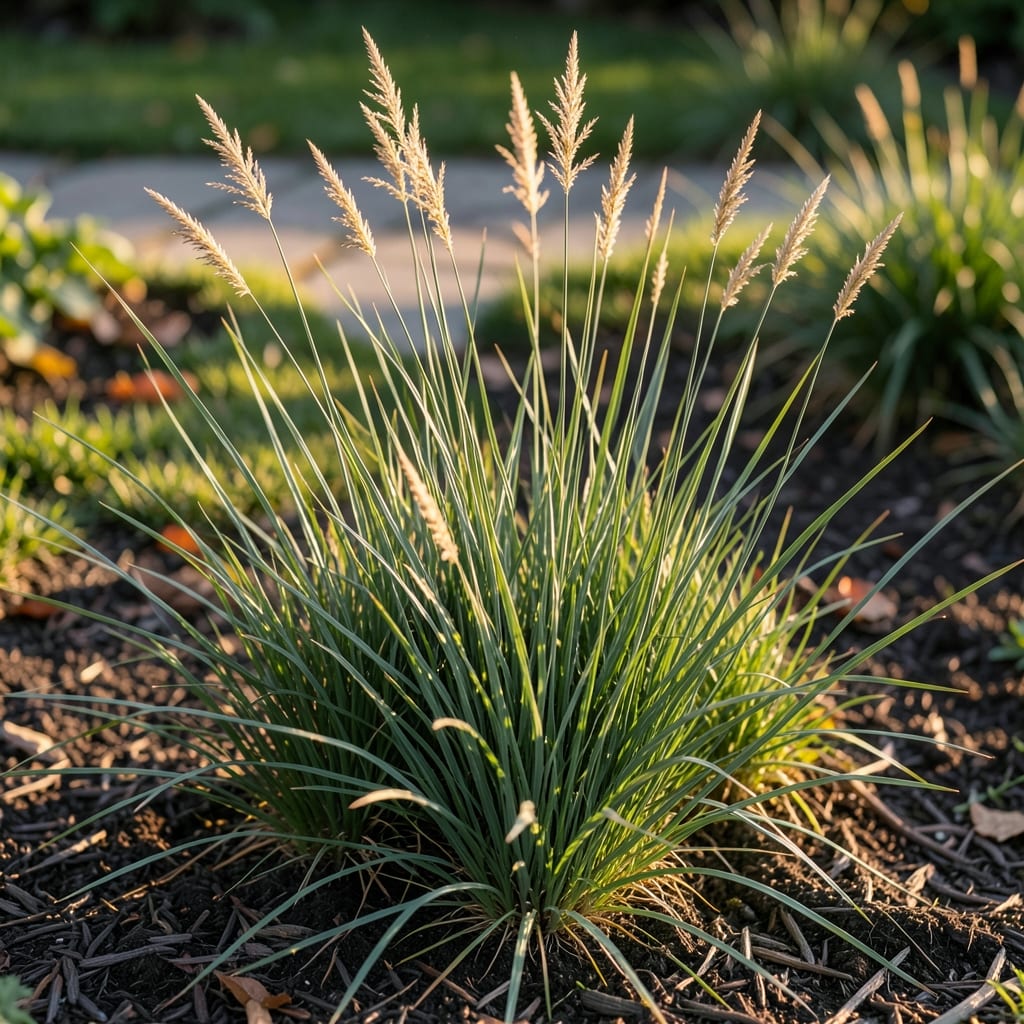
Wondering how long does Tall Fescue take to grow before your lawn transforms from bare soil to lush green? The answer depends more on timing and conditions than you might think—because planting it at the wrong time could mean waiting twice as long for results.
As a cool-season grass, Tall Fescue 🌱 thrives when planted between late summer and early fall, but even then, germination takes 7-14 days before you see those first tiny sprouts. The real magic happens in the next 6-8 weeks, when roots establish and the grass starts filling in. Patience pays off, but knowing what to expect makes all the difference.
Soil quality, moisture levels, and even your local climate play a huge role in speeding up—or slowing down—that growth timeline. Too much heat or poor drainage? You might be staring at bare spots for months. But with the right conditions, you could have a dense, vibrant lawn in just 3-4 months. Let’s break down exactly what to expect at each stage.
Whether you’re seeding a new yard or overseeding an existing one, understanding these milestones helps you set realistic expectations. I’ll show you how to adjust your approach based on your zone, soil type, and even the time of year—so you can get that dream lawn faster without the guesswork.


Tall Fescue growth timeline: weeks to full establishment by season
If you’ve ever planted Tall Fescue and wondered, "Why isn’t my lawn filling in yet?" the answer likely lies in the growth stages and how they align with your local planting season. Unlike warm-season grasses, Tall Fescue is a cool-season grass, meaning it germinates fastest when soil temperatures hover between 60°F and 75°F—typically late summer to early fall in most U.S. zones.
For example, if you plant in August or September, you’ll see the fastest results because cooler temps reduce stress on young seedlings. But if you plant in spring or late fall, germination could take 2-3 weeks longer due to heat stress or cold soil. Understanding these timelines helps you set realistic expectations and troubleshoot delays.
Here’s the breakdown of what to expect at each stage, from the first sprout to full coverage, with a visual reference to track your progress:
| Stage | Timeframe (Weeks) | Key Milestones | Notes |
|---|---|---|---|
| Germination | 1–2 weeks | First sprouts appear | Keep soil moist; avoid crusting |
| Seedling Establishment | 2–4 weeks | Grass reaches 2–3 inches | Reduce watering slightly to strengthen roots |
| Root Development | 4–8 weeks | Deep root system forms | Drought tolerance improves |
| Full Coverage | 8–12 weeks | Lawn fills in completely | Mow when grass reaches 3–4 inches |
The fastest growth occurs when you plant Tall Fescue in late summer (August), where germination happens in just 7–10 days under ideal conditions. By week 6, you’ll see thick, uniform coverage if you’ve maintained consistent moisture and avoided foot traffic. In contrast, planting in spring or fall can stretch germination to 3 weeks due to temperature fluctuations.
For example, in Zone 5 or 6, planting in September often yields full coverage by November, giving the grass time to establish before winter dormancy. Meanwhile, a spring planting in April might not reach full coverage until June or July, leaving your lawn vulnerable to heat stress and weed competition.
Pro tip: If you’re overseeding an existing lawn, focus on thinning areas first. Tall Fescue spreads slowly at first but thickens significantly once roots are established. Patience here is key—rushing to mow too early can stunt growth by damaging young blades.
One common misconception is that Tall Fescue grows faster in warm weather, but the opposite is true. High temperatures above 85°F can actually delay germination and cause seedling stress. That’s why fall planting is often the gold standard for this grass type.
To maximize your chances of success, aim for a planting window of August 1–September 15 in most regions. This timing ensures your grass gets the cool, moist conditions it needs to germinate quickly and establish deep roots before winter. If you miss this window, spring planting is your next best option—but expect a slightly longer timeline to full coverage.
🌱
How soil type and climate affect Tall Fescue growth speed
Your Tall Fescue seeds might sprout in 7–14 days under perfect conditions, but soil type and climate can either speed up or slow down that timeline dramatically. For example, clay-heavy soil can delay germination by 30–50% because it holds too much moisture, while sandy soil drains too quickly, forcing you to water more frequently. The key is finding that well-draining, loamy balance—where water stays available but doesn’t pool around seeds.
Climate plays an equally critical role. Tall Fescue thrives in cool-season zones (USDA Zones 4–9), but extreme heat or cold can throw off its growth rhythm. In Zone 7 or higher, planting in late summer (August) gives seeds the 60–75°F soil temps they need to germinate in just 7–10 days. But in Zone 5 or colder, waiting until late August or early September avoids early frost risks and ensures faster root development.
Here’s what happens when conditions go wrong—and how to fix it:
If your Tall Fescue takes 3+ weeks to germinate or shows pale, sparse sprouts, check these red flags:
- Compacted soil = roots can’t penetrate → aerate before planting.
- Soil pH > 7.0 = nutrient lockout → add sulfur to lower pH.
- Daily temps > 85°F = seed stress → use shade cloth until sprouts appear.
🌡️
Let’s dive deeper into how soil composition impacts growth speed. Clay soil, common in the Midwest, can cause seeds to rot if overwatered or smother if too dense. To improve it, mix in 2–3 inches of compost or sand before planting. On the other hand, sandy soil, found in coastal areas, drains too fast, so mulch with straw or peat moss to retain moisture near seeds.
Climate also dictates watering needs. In arid regions (e.g., Arizona, Nevada), Tall Fescue may take 2 weeks longer to establish because soil dries out faster. Here, drip irrigation or soaker hoses keep roots consistently moist without flooding. Meanwhile, in humid climates (e.g., Pacific Northwest), fungal diseases like brown patch can slow growth—so avoid overhead watering and mow at 3–4 inches to improve airflow.
One often-overlooked factor is seed depth. Planting too deep (>1/2 inch) can delay germination by 1–2 weeks because seeds struggle to push through compacted soil. Stick to 1/4-inch depth and lightly rake soil to avoid crusting. Pair this with a light mulch layer (like straw) to lock in moisture without suffocating sprouts.
💧