
Light Requirements
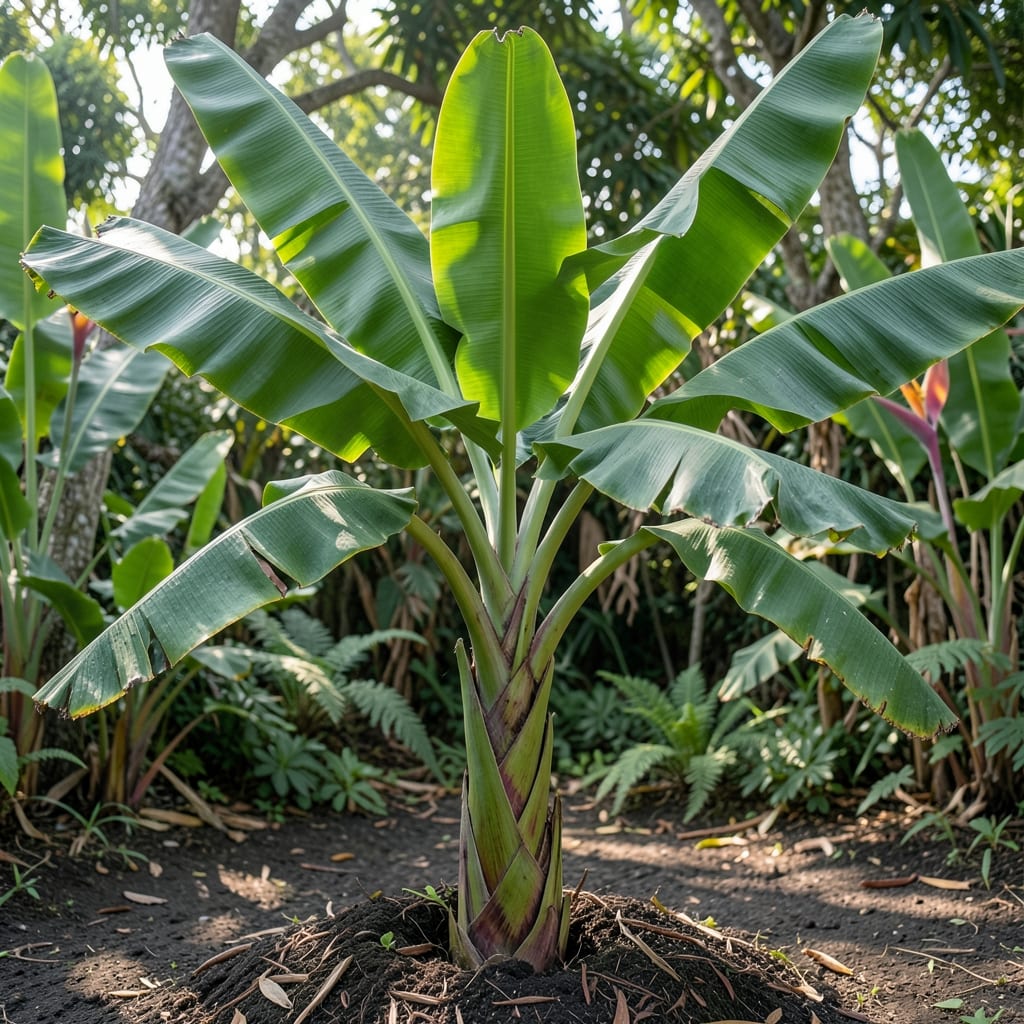
How much light does a banana plant need to grow strong and produce those sweet, tropical fruits? The answer isn't as simple as "full sun" or "shade"—it's about finding the perfect balance for your 🍌 banana plant's specific needs, whether you're growing it indoors or outdoors in USDA Zone 6a.
Too little light, and your banana plant will stretch awkwardly toward the sun, with weak stems and sparse leaves. Too much direct sunlight, especially in hot afternoons, and you'll end up with crispy, brown edges on those lush green leaves. The key is understanding how to provide bright, indirect light that mimics their natural tropical habitat without causing stress.
In this guide, I'll break down exactly how many hours of light your banana plant needs at each growth stage—from seedlings to mature plants ready to fruit. You'll learn how to adjust for indoor setups, outdoor gardens, and even partial shade solutions to keep your plant thriving year-round, no matter where you live.
Whether you're a beginner with your first 🍌 banana plant or a seasoned gardener looking to fine-tune your care routine, these insights will help you avoid common mistakes and give your plant the ideal growing conditions. Let's get started!

Ideal sunlight requirements for banana plants: hours and intensity explained
Banana plants love sunlight, but their needs change dramatically depending on whether they're young seedlings, mature plants, or fruiting. In their natural tropical habitat, they bask under bright, filtered light with occasional shade from taller trees. Recreating this balance is the secret to growing a healthy 🍌 banana plant that thrives in USDA Zone 6a or warmer.
The general rule is 6-8 hours of direct sunlight daily for most banana varieties, but this varies by growth stage. Seedlings need gentle protection, while mature plants can handle more intense light. Let’s break down the exact requirements for each phase to keep your plant flourishing.
Banana Plant Sunlight Needs by Growth Stage
| Growth Stage | Sunlight Hours | Light Intensity | Notes |
|---|---|---|---|
| Seedlings (0-6 months) | 4-6 hours | Bright, indirect light | Use shade cloth (30-50%) to prevent scorching |
| Mature Plants (6-12 months) | 6-8 hours | Full sun with afternoon shade | Avoid harsh afternoon sun in hot climates |
| Fruiting Plants (12+ months) | 6-8 hours (minimum) | Full sun with protection from intense heat | Reduce direct sun to 4-6 hours if temperatures exceed 90°F |
💡 Pro Tip: In USDA Zone 6a, banana plants may need winter protection. Move potted plants indoors near a south-facing window or use a grow light for 12-14 hours daily.
For outdoor banana plants, position them where they receive morning sun and afternoon shade. This mimics their natural environment and prevents leaf burn. If you're growing banana plants in containers, rotate the pot every few weeks to ensure even light exposure on all sides.
Indoor banana plants need a south- or west-facing window to get the most light. If natural light is insufficient, supplement with a grow light (LED or fluorescent) for 12-14 hours daily. Place the light 6-12 inches above the plant to avoid overheating.
Subtropical varieties, like Musa acuminata, tolerate slightly less light than tropical varieties. If you're growing these, aim for 5-6 hours of direct sunlight and prioritize afternoon shade. Always monitor your plant’s leaves for signs of stress, as adjustments may be needed based on your local climate.
In USDA Zone 6a, where winters can be chilly, banana plants may enter dormancy. During this time, reduce light exposure to 4-6 hours of indirect light and avoid fertilizing. This helps the plant conserve energy until warmer temperatures return in spring.
One common mistake is assuming all banana plants thrive in full sun. While they love light, intense afternoon sun can cause leaf scorch, especially in hot climates. If you notice crispy edges on the leaves, move your plant to a shadier spot or provide afternoon shade with a sheer curtain or mesh screen.
Remember, banana plants are heavy feeders and need consistent moisture. If you’re adjusting their light exposure, also monitor their watering needs. Plants in lower light conditions will require less frequent watering, while those in full sun may need daily deep watering to prevent stress.
By tailoring your banana plant’s light exposure to its growth stage and local climate, you’ll set it up for success. Whether you're growing it outdoors in a tropical garden or indoors near a sunny window, the key is balance—just like in their natural habitat. 🌿
Signs your banana plant isn’t getting enough (or too much) light
Your 🍌 banana plant communicates its light needs through leaf color, texture, and growth patterns. Ignoring these signals can lead to stunted growth or even plant death. The key is learning to read between the green lines—literally! Yellowing leaves, brown edges, or weak stems are all clues your plant needs an adjustment in its light exposure.
When a banana plant gets too little light, it stretches unnaturally toward the sun, a condition called etiolation. This results in long, weak stems with sparse, pale leaves. The plant may also produce fewer flower buds or fail to fruit entirely. If you notice your banana plant leaning dramatically or developing small, pale leaves, it’s time to move it to a brighter spot.
Over-Sun vs. Under-Sun Symptoms in Banana Plants
Too Much Sun
- Brown, crispy edges on leaves
- Bleached or white patches on foliage
- Wilting during hot afternoons
- Stunted growth despite ample water
💡 Fix: Move to partial shade or use a sheer curtain to filter harsh rays.
Too Little Light
- Pale, yellow-green leaves
- Long, leggy stems reaching for light
- No flower buds forming
- Slow or no growth despite care
💡 Fix: Relocate to bright, indirect light or supplement with a grow light.
If your banana plant shows signs of too much sun, such as brown, crispy leaf edges or bleached spots, it’s suffering from sunburn. This is especially common in USDA Zone 6a during hot summers. The solution? Provide afternoon shade using a mesh screen or lightweight shade cloth. Even a few hours of relief from intense afternoon sun can make a world of difference.
Another red flag is yellowing leaves, which can indicate either overwatering or underwatering, but also light stress. If the yellowing starts at the leaf tips and progresses inward, it’s often a sign of too much direct sun. However, if the yellowing is evenly distributed and the leaves feel soft, it may be a nutrient deficiency caused by poor light absorption.
For indoor banana plants, watch for weak stems and small leaves, which are classic signs of insufficient light. If your plant is near a window but still struggling, try rotating it every few days to ensure all sides get equal exposure. If natural light is insufficient, invest in a full-spectrum LED grow light to mimic sunlight. Place it 6-12 inches above the plant and keep it on for 12-14 hours daily.
One common mistake is assuming that more sun is always better. While banana plants love light, they’re native to tropical understories, where they receive dappled sunlight filtered through taller trees. Recreating this environment—especially in hot climates—is crucial. If you notice your plant’s leaves curling or drooping in the afternoon, it’s a clear signal that the intensity of the sun is too much for its current location.
Finally, pay attention to your banana plant’s growth rate. A healthy, well-lit banana plant should grow 1-2 feet per month during the growing season. If growth is slow or nonexistent, it’s likely due to insufficient light. Adjust its position or supplement with artificial light to encourage stronger, more vigorous growth. With the right balance, your banana plant will reward you with lush foliage and delicious fruit! 🌿