
Light Requirements
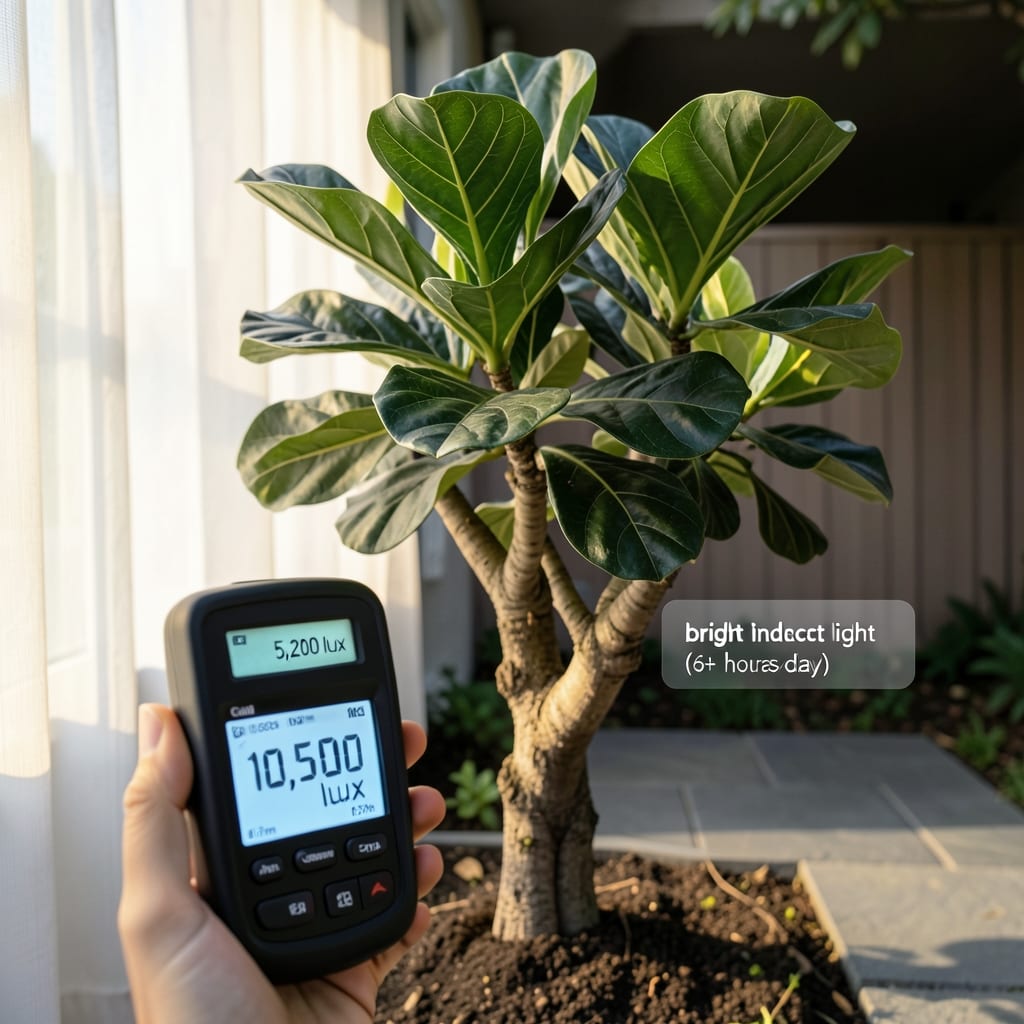
If your 🌿 ficus plant keeps struggling—drooping leaves, yellowing stems, or just refusing to grow—you’re probably guessing wrong about its light needs. The truth? Ficus plants thrive in bright indirect light, but they’re surprisingly flexible, adapting to low-light conditions when needed. Understanding the exact balance can mean the difference between a lush, healthy plant and one that’s slowly dying.
Most ficus varieties, like the popular Ficus elastica (rubber plant) or Ficus benjamina, do best with 4-6 hours of filtered light daily. Too little, and they’ll stretch toward any light source, growing leggy and weak. Too much direct sun, and you’ll see crispy brown edges or bleached leaves. The key is finding that sweet spot—whether indoors near an east-facing window or outdoors in dappled shade.
What I love about ficus plants is their adaptability. A low-light ficus can survive in dim corners, but it won’t reach its full potential. Meanwhile, a bright indirect light setup will encourage vibrant foliage and faster growth. The challenge? Most homes don’t have the perfect light conditions naturally. That’s why I’ll show you how to assess your space, adjust artificial lighting, and spot the early warning signs before they become bigger problems.
Ready to turn your ficus from a struggling survivor into a thriving centerpiece? Let’s break down the light spectrum, common mistakes, and practical fixes so you can finally give your plant the conditions it actually craves.

Ficus light requirements: the ideal spectrum for healthy growth
Ficus plants are masters of adaptability, but their light needs determine whether they’ll thrive or just survive. Most varieties—like the Ficus elastica (rubber plant) or Ficus benjamina—flourish in bright indirect light, which mimics their natural understory habitat. Think of it as the goldilocks zone for foliage: not too dim, not too harsh, but just right for vibrant growth.
The key is understanding the light intensity spectrum. Ficus plants fall into three main categories: low-light tolerant, medium-light adaptable, and bright-indirect light lovers. Even the hardiest ficus, like the Ficus lyrata (fiddle-leaf fig), will show signs of stress outside these ranges. For example, a low-light ficus might survive in a dim office, but it’ll grow leggy and weak without proper care.
Here’s the breakdown: 4-6 hours of filtered light daily is ideal for most ficus varieties. This means placing your plant near an east-facing window (gentle morning sun) or a north-facing window (no direct sun). South-facing windows can work, but only if you use a sheer curtain to diffuse the light—otherwise, you risk leaf scorch.
| Ficus Variety | Light Needs | Signs of Stress | Ideal Placement |
|---|---|---|---|
| Ficus elastica (Rubber Plant) | Bright indirect light | Brown leaf tips, yellowing | 2-3 ft from east window |
| Ficus benjamina (Weeping Fig) | Medium to bright indirect | Drooping leaves, slow growth | North or east-facing window |
| Ficus lyrata (Fiddle-Leaf Fig) | Bright indirect light | Black spots, leaf drop | 3-5 ft from west window (with filter) |
| All Ficus (Low-Light Survival) | Low light (fluorescent bulbs) | Leggy growth, pale leaves | 10+ ft from any window |
If you notice your ficus developing yellow leaves, it’s often a sign of overwatering in low light—the plant can’t process excess moisture without adequate light. Conversely, brown tips or crispy edges usually mean too much direct sun, causing the plant to dry out faster than it can absorb water. The solution? Rotate your plant every few weeks so all sides get even light exposure.
For outdoor ficus care, dappled shade is perfect—think of a tree canopy or a perennial garden with partial sunlight. Avoid placing ficus plants in full sun, especially during peak hours (10 AM–4 PM), as the UV rays can burn delicate leaves. Even a south-facing patio needs protection, like a sheer umbrella or lattice screen.
One of my favorite tricks for indoor ficus is using a reflective surface, like a white-painted wall or a mirror, to bounce light onto the plant. This mimics the natural light conditions of a forest floor, where ficus plants evolved. Even a simple aluminum foil sheet behind the pot can boost light exposure by up to 30%.
Seasonal changes also affect light needs. In winter, when daylight is shorter, ficus plants may need a grow light to supplement natural light. I recommend a full-spectrum LED bulb (6,500K color temperature) for 12–14 hours a day. In summer, you might need to move your ficus away from windows to prevent heat stress.
Pro tip: Pay attention to your ficus’s leaf color. Healthy leaves should be deep green and glossy. If they’re turning lighter green or yellow, it’s a cry for more light. Darker green leaves with purple undersides? That’s a sign of too little light—your plant is stretching toward any available source.
Remember, ficus plants are forgiving, but they won’t thrive in extreme conditions. The goal is to find that sweet spot where your plant feels challenged but not stressed. With the right light, your ficus will reward you with lush foliage and steady growth for years to come. 🌿
How to adjust your home’s light for a thriving ficus plant
Finding the perfect light spot for your ficus plant often comes down to understanding your home’s natural light patterns. East-facing windows provide gentle morning sun—ideal for most ficus varieties—while north-facing windows offer consistent, soft light year-round. West-facing windows can be too intense, especially in summer, causing leaf burn. If your space lacks natural light, don’t panic—artificial grow lights can bridge the gap.
I’ve learned the hard way that placing a Ficus elastica near a south-facing window can scorch its leaves within weeks. The key is filtering light with sheer curtains or positioning the plant 2-3 feet away from the glass. For Ficus benjamina, which is slightly more tolerant, you can push the boundaries to 6 hours of bright indirect light, but always monitor for signs of stress like yellowing or crispy edges.
Here’s a quick trick: Rotate your ficus plant quarter-turns every 2-3 weeks to ensure even growth. Plants naturally lean toward light sources, so this simple habit prevents lopsided development. If you notice your ficus stretching toward a window with long, thin leaves, it’s begging for more light—or a brighter spot.
🌿 Light Adjustment Guide for Ficus Plants
If your home lacks windows or you’re dealing with deep shade conditions, invest in a full-spectrum LED grow light. Place it 12-18 inches above your ficus and run it for 12-14 hours daily to mimic natural daylight. I’ve seen Ficus lyrata (fiddle-leaf fig) thrive under T5 fluorescent lights in offices with no natural light—just don’t skimp on quality. Cheap bulbs won’t cut it; your ficus deserves cool white or daylight spectrum LEDs.
Seasonal changes also affect your ficus’s light needs. During winter months, shorter daylight hours mean your plant may need extra light. Move it closer to a window or extend its grow light exposure. Conversely, in summer, watch for direct afternoon sun through west-facing windows—it’s a common culprit for leaf burn. A simple white sheer curtain can diffuse harsh rays without sacrificing too much light.
Pro tip: Use a light meter app (like Light Meter for smartphones) to measure foot-candles in your space. Aim for 500-1,000 foot-candles for optimal ficus growth. If you’re below 500, it’s time to supplement with artificial light or relocate your plant to a brighter area. Remember, consistency is key—ficus plants hate sudden light changes, so transition them gradually if moving to a new spot.