
How To
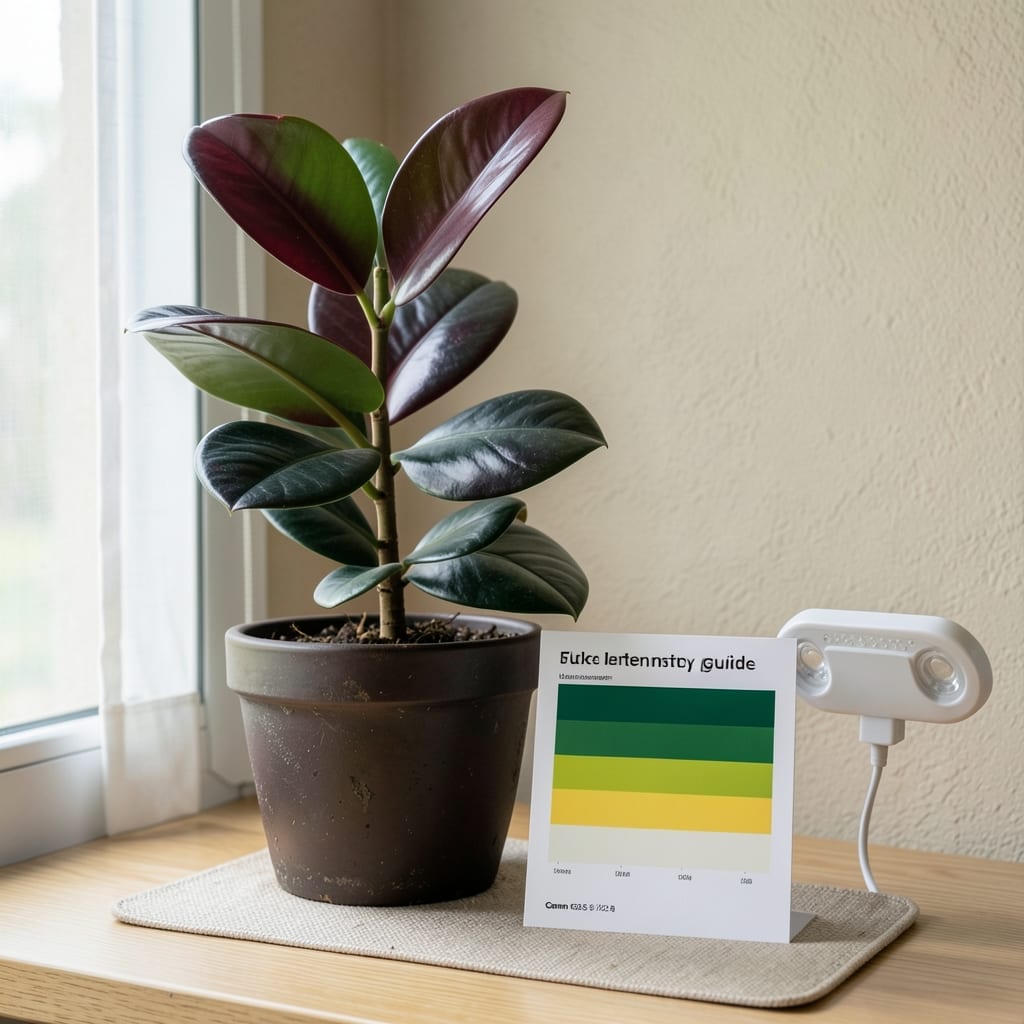
Figuring out how much light for rubber plant success can feel like solving a mystery—your 🌿 friend either thrives or slowly wilts, and you're left guessing why. The truth? Rubber plants (Ficus elastica) are finicky about light, but once you crack the code, they reward you with glossy, vibrant leaves that last for years.
Too little light, and your plant stretches awkwardly toward the nearest window, its leaves pale and sparse. Too much direct sun, and those same leaves crisp at the edges like overcooked fries. The sweet spot? Bright indirect light—think morning sun followed by afternoon shade—where your rubber plant gets 4 to 6 hours of gentle glow daily.
Here’s the game-changer: I’ll break down exactly how to spot the signs of over- or underlighting, plus easy fixes whether you’re dealing with a dim corner or a sunbaked windowsill. No guesswork, just results—so your rubber plant stops struggling and starts shining.
Ready to transform your plant’s future? Let’s dive into the light conditions that’ll have your rubber plant thriving in no time.

Rubber plant light requirements: ideal hours & intensity explained
Your rubber plant’s ideal light requirements hinge on two key factors: hours of exposure and light intensity. While these plants are famously adaptable, they crave bright indirect light—think of it as the Goldilocks zone of gardening: not too harsh, not too dim. On average, aim for 4 to 6 hours of filtered light daily, but don’t be surprised if your plant stretches toward a window for more during shorter winter days.
The science behind this preference? Rubber plants (Ficus elastica) originate from tropical rainforests where sunlight filters through dense canopies. Their leaves evolved to thrive under dappled shade, not scorching direct rays. Too much sun triggers stress responses like leaf scorch, while too little light weakens their cellular structure, leading to leggy growth and pale foliage.
Here’s how to measure light levels like a pro: Hold your hand near the plant’s leaves. If you can comfortably read a book under that light, it’s too dim. If the air feels warm and leaves show signs of burning, move it back. The perfect spot? 1–2 feet from an east or west-facing window, where morning or late afternoon sun bathes the leaves without the intensity of midday rays.
Seasonal adjustments are crucial. During spring and summer, your rubber plant can handle slightly more light—up to 6 hours daily—but always shield it from harsh afternoon sun. In fall and winter, supplement with a grow light if natural light drops below 4 hours, especially in northern climates where days shorten dramatically.
Pro tip: Rotate your plant quarter-turns every 2–3 weeks to ensure even growth. Uneven light exposure causes one side to grow toward the window while the other stays weak—a classic sign of light deprivation on one side and overlighting on the other.
| Light Condition | Hours Needed | Intensity | Best Window |
|---|---|---|---|
| Ideal Bright Indirect | 4–6 hours | Filtered sunlight | East or West |
| Low Light Tolerance | 2–3 hours | Dim, no direct sun | North-facing |
| Direct Sun Risk | >6 hours | Harsh rays | South-facing (unfiltered) |
Think of your rubber plant’s light needs like a thermostat: too hot or too cold, and it suffers. The bright indirect light sweet spot mimics its natural habitat, where sunlight is abundant but never brutal. For example, a sheer curtain on a south-facing window diffuses light perfectly, while a solid curtain blocks too much. Test different setups by moving the plant incrementally and observing leaf responses over 1–2 weeks.
Urban gardeners often ask: Can rubber plants survive in low light? The answer is yes, but with trade-offs. In dim offices or north-facing rooms, growth slows dramatically, and leaves may develop yellow patches. If you’re stuck with low light, supplement with a LED grow light (12–14 hours daily) to mimic longer daylight hours. Just avoid fluorescent bulbs, which emit too little red light for optimal growth.
One common mistake? Assuming all houseplants share the same light needs. Unlike sun-loving succulents, rubber plants reject direct afternoon sun, which can cause leaf bleaching within days. Instead, place them near a bright window but out of reach of midday rays. If you notice white or brown spots on leaves, it’s a clear sign of overlighting—move the plant back immediately.
Remember: Your rubber plant’s leaf color is a direct reflection of its light conditions. Deep, glossy green leaves mean perfect light, while pale or yellowing leaves scream for adjustment. With the right balance, your plant will grow 2–3 feet per year, boasting the lush, tropical look that makes rubber plants so beloved.
Signs your rubber plant has too much or too little light
Your rubber plant’s leaves tell a story about its light conditions—if you know what to look for. The most obvious clue? Leaf color and texture. Healthy rubber plants boast deep, glossy green leaves, but when light levels shift, those leaves become your early warning system. For example, pale or yellowing leaves scream for more light, while brown crispy edges mean you’ve overdone it with sun exposure.
Let’s start with the underlighting red flags. If your rubber plant stretches leggy toward the nearest light source—elongated stems with sparse leaves—it’s begging for more brightness. This happens when your plant reaches for 2 hours or fewer of light daily, causing weak stems that can’t support their own weight. Another giveaway? Small, pale new growth that lacks the rich color of mature leaves. These signs mean your plant is starving for light, and without intervention, it’ll grow slower and weaker over time.
Now, let’s talk overlighting, which is just as damaging. Direct sun—especially afternoon rays—triggers stress responses like leaf scorch. You’ll spot this as brown or white patches on leaves, often near the edges. In extreme cases, leaves may curl or crisp, resembling paper in the sun. If you notice these symptoms, move your plant further from the window immediately. Even a few hours of direct sun can cause permanent damage if ignored.
✅ Too Little Light
- Leggy growth: Stems stretch toward light
- Pale leaves: Lose vibrant color
- Small new growth: Weak, sparse foliage
- Yellow patches: On lower leaves first
🔹 Fix: Move to brighter spot or add grow light
❌ Too Much Light
- Brown crispy edges: Leaf scorch
- White/yellow patches: Sunburnt areas
- Curled leaves: Dry, brittle texture
- Leaf drop: Sudden shedding
🔹 Fix: Move to indirect light or use sheer curtain
Here’s a pro tip for diagnosing light issues: Check the underside of leaves. If they’re pale or yellow, your plant isn’t getting enough light. If they’re dry or crispy, it’s a sign of sunburn. Pay attention to new growth too—this is where light deficiencies show up first. For example, if your plant produces small, weak leaves while older leaves stay healthy, it’s a clear signal to increase light exposure gradually.
Seasonal changes can trick your rubber plant into thinking light levels have shifted when they haven’t. In winter, shorter days mean less natural light, so your plant may start stretching even if its spot hasn’t changed. Conversely, in summer, longer days can suddenly expose your plant to more direct sun if you’re not careful. The solution? Rotate your plant every 2–3 weeks to ensure even light exposure on all sides. This prevents one-sided growth and helps you spot early signs of light stress.
Don’t ignore subtle changes like leaf drop or stunted growth, either. These can be your rubber plant’s way of saying, “Something’s off with my light.” For instance, if your plant suddenly drops leaves without other obvious issues (like overwatering), check its light conditions first. A simple window relocation or curtain adjustment can work wonders. Remember: Your rubber plant’s health is a direct reflection of its light environment, so stay vigilant and adjust as needed.
One last clue? Leaf size. Healthy rubber plants produce large, broad leaves. If new leaves are tiny and narrow, it’s a classic sign of light deprivation. On the flip side, if leaves develop white or translucent spots, it’s a warning of too much direct sun. By tuning into these visual cues, you’ll master the art of rubber plant light management in no time.