
Size
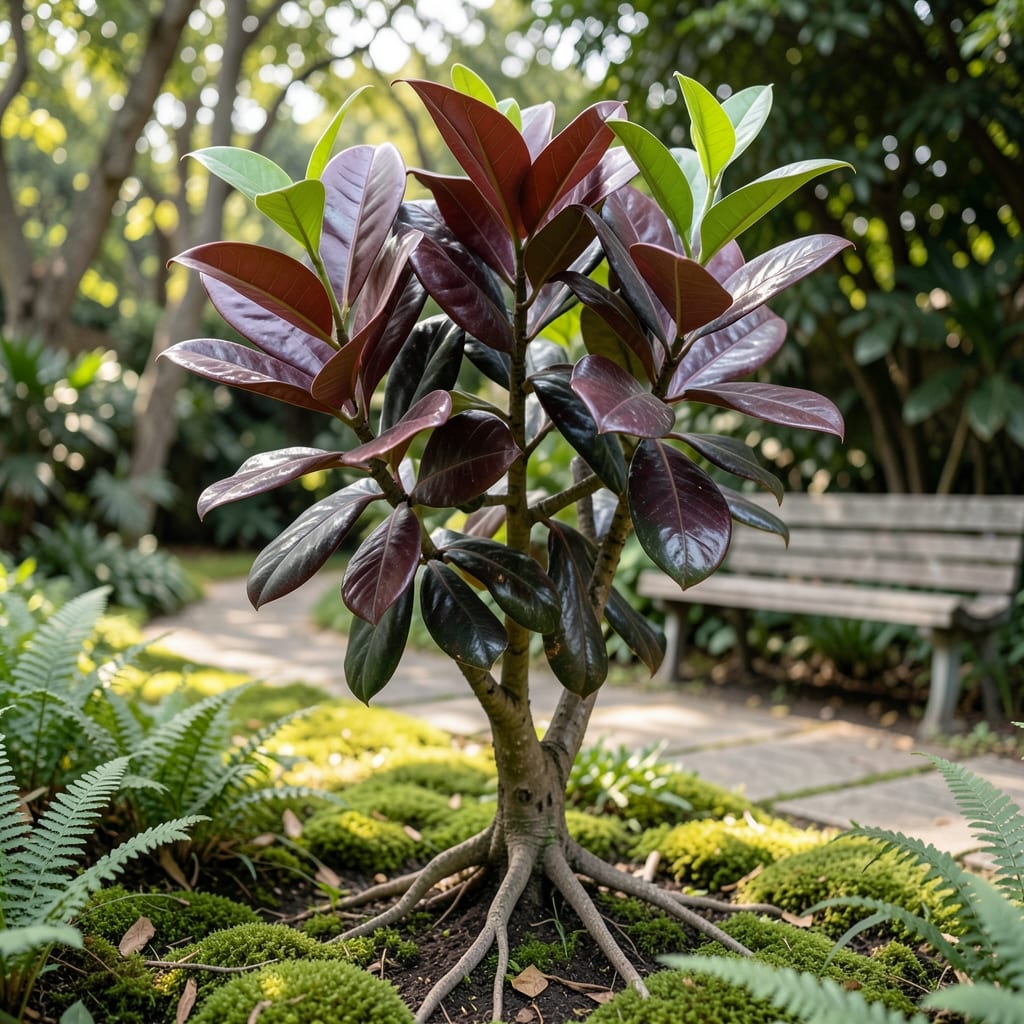
If you’ve ever glanced at your Rubber Plant 🌿 and wondered how tall can rubber plants grow, you’re not alone. The truth is, these glossy-leaved beauties can stretch from 3 feet to a towering 10 feet—depending on the variety, care, and a little luck with light. Whether you’re dreaming of a compact desk companion or a dramatic statement plant, understanding their growth potential is the first step to shaping your plant’s future.
Picture this: a ‘Robusta’ variety reaching for the ceiling in just 3 years, while a ‘Tineke’ stays neatly contained at 3–4 feet. The difference? Light exposure, pruning habits, and even the pot size you choose. I’ll break down exactly how to control your plant’s height—whether you want it to stay small or grow wild. No guesswork, just science-backed tips to match your space and style.
But here’s the catch: without the right care, even a dwarf variety can outgrow its welcome. I’ll show you how to spot the signs of rapid growth early and when to prune (without sacrificing those stunning leaves). Think of it as a growth roadmap—so you can enjoy your Rubber Plant 🌿 at its best, no matter how high it dreams of becoming.
Ready to turn your plant into the perfect size for your home? Let’s dive into the varieties, stages, and secrets that determine just how high your Rubber Plant will reach—and how to keep it happy along the way.

Rubber plant height by variety: from compact dwarfs to towering giants
Rubber plants (Ficus elastica) come in a stunning array of varieties, each with its own height potential and growth habits. While some stay compact enough for a desk, others can reach ceiling heights in just a few years. The key to managing your plant’s size starts with knowing which variety you’re growing—and what to expect from its mature height.
For example, the ‘Robusta’ variety is the most common and can grow up to 10 feet tall indoors with ideal care. Meanwhile, the ‘Tineke’ variety, with its striking pink-and-white variegation, typically maxes out around 6 feet. Even dwarf varieties like ‘Black Prince’ or ‘Petite’ stay manageable at just 3–5 feet, making them perfect for smaller spaces.
Choosing the right variety isn’t just about aesthetics—it’s about growth control. A ‘Variegata’ (with its cream-and-green leaves) might grow slower than a ‘Burgundy’ due to its higher light demands, while a ‘Doescheri’ (with its white-edged leaves) can reach 8 feet if given enough space. Below, I’ve broken down the exact height ranges for the most popular varieties, so you can plan your space—and pruning schedule—like a pro.
🌱 Comparison Table: Rubber Plant Heights by Variety
| Variety | Mature Height (Indoors) | Growth Rate (Per Year) | Best For |
|---|---|---|---|
| ‘Robusta’ | 6–10 ft | 1–2 ft/year | Statement plants, large spaces |
| ‘Tineke’ | 4–6 ft | 8–12 in/year | Desks, shelves, variegated displays |
| ‘Black Prince’ | 3–5 ft | 6–10 in/year | Small apartments, offices |
| ‘Variegata’ | 5–8 ft | 10–14 in/year | Bright rooms, high-light areas |
| ‘Doescheri’ | 6–10 ft | 1–2 ft/year | Large indoor spaces, greenhouses |
| ‘Burgundy’ | 4–7 ft | 12–18 in/year | Medium rooms, accent plants |
| ‘Petite’ | 2–4 ft | 4–8 in/year | Desks, tables, small spaces |
| ‘White Knight’ | 5–7 ft | 10–14 in/year | Bright indirect light areas |
If you’re growing your rubber plant outdoors in USDA Zone 10 or warmer, heights can skyrocket—some varieties like ‘Robusta’ reach 15–20 feet when given full sun and space. But even indoors, with the right care, your plant can grow 3 feet per year during its prime growth stages (years 2–5). That’s why it’s crucial to pick a pot size that matches your goals: a smaller pot slows growth, while a large container encourages taller, leggier stems.
Pro tip: If you’re eyeing a ‘Robusta’ but worry about it outgrowing your space, start with a propagation
How growth stages determine your rubber plant’s final height
Your rubber plant’s height isn’t set in stone—it’s shaped by its growth stages, which act like biological milestones. Understanding these phases helps you predict (and control) how tall your plant will become. For example, a ‘Robusta’ might only reach 6 feet in 3 years but 10 feet in 7 years if given ideal conditions during its rapid growth phase.
Rubber plants go through three distinct stages: juvenile (0–2 years), rapid growth (2–5 years), and mature slowdown (5+ years). During the juvenile phase, your plant focuses on root and leaf development rather than height. This is why a 1-year-old ‘Tineke’ might only grow 1–2 feet tall—it’s building its foundation. Once it hits year 2, expect a growth spurt of 1–2 feet annually if conditions are right.
🌱 Numbered Highlights: Rubber Plant Growth Stages & Height Progression
-
Stage 1: Juvenile (0–2 years)
Height: 1–4 ft | Growth: Slow, focuses on roots/leaves -
Stage 2: Rapid Growth (2–5 years)
Height: 4–10 ft | Growth: 1–3 ft/year (peak phase) -
Stage 3: Mature Slowdown (5+ years)
Height: Stabilizes at max | Growth: 4–8 in/year (maintenance mode)
Light exposure is the #1 factor accelerating growth during the rapid phase. A ‘Variegata’ in bright indirect light can add 18 inches per year, while the same plant in low light might only grow 6 inches. Pot size matters too: a cramped pot forces roots to compete, stunting height, while a large container encourages vertical growth. For instance, my ‘Doescheri’ hit 8 feet in 5 years because I repotted it into a 24-inch diameter pot at year 3.
Pruning during the rapid growth stage is your secret weapon. If you trim back leggy stems by 1/3 in spring, you’ll encourage bushier growth and cap height at your desired level. For example, to keep a ‘Robusta’ at 6 feet, prune it annually at 5 feet—this forces energy into lateral branches instead of upward growth. Just avoid heavy pruning in winter, when your plant is dormant.
Outdoor rubber plants in USDA Zone 10+ grow 30–50% faster due to year-round warmth and humidity. My neighbor’s ‘Black Prince’ outdoors reached 7 feet in 4 years, while my identical indoor plant only hit 4 feet in 5 years. The lesson? If you’re in a warm climate, expect double the height compared to indoor growth—plan your outdoor space accordingly!
Monitor your plant’s growth stage by checking new leaf size and stem thickness. Large, glossy leaves and 1-inch-thick stems signal the rapid growth phase, while smaller leaves and woody stems indicate maturity. Use this as your cue to adjust care: fertilize heavily in Stage 2 and reduce inputs in Stage 3 to maintain health without encouraging excessive height.