
Plants
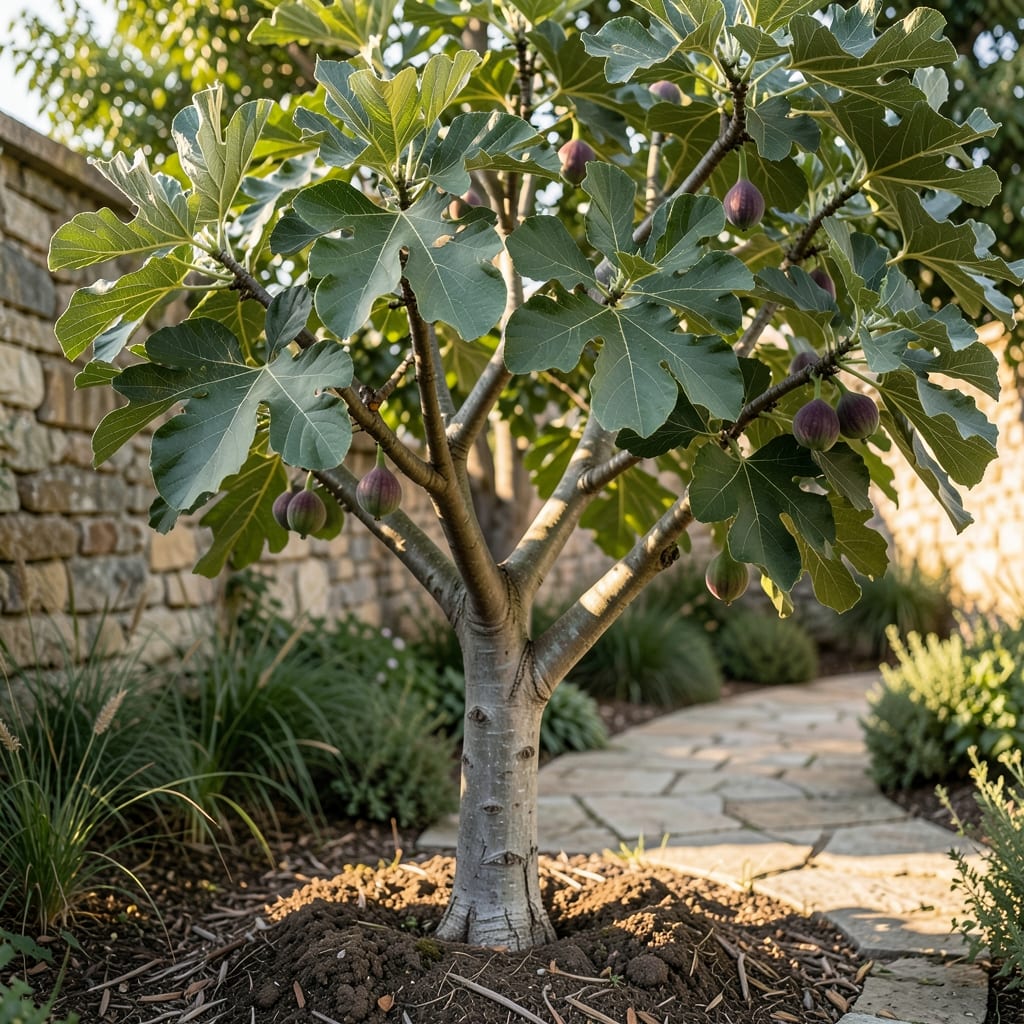
If you’re wondering how much light does a fig plant need, the answer might be simpler than you think—it’s all about sunlight. That golden, life-giving light isn’t just a preference; it’s the foundation of your fig’s health, growth, and fruit production. Too little, and you’ll end up with weak stems and sparse leaves. Too much, and you risk scorched foliage or even plant stress.
Fig plants are sun worshippers, but not all varieties crave the same intensity. Some need full sun exposure for 6-8 hours daily, while others can handle partial shade—especially in scorching afternoons. The key is understanding your specific fig variety and adjusting its environment accordingly. Whether you’re growing outdoors in USDA Zone 6a or nurturing a potted plant indoors, getting the light balance right makes all the difference.
Don’t let common misconceptions fool you—figs aren’t just tough plants that survive on scraps of sunlight. They’re delicate in their own way, and their leaves will tell you exactly what they need. Yellowing edges? Maybe it’s too much heat. Leggy growth? It could be stretching for more light. I’ll show you how to read these signs and tweak your setup for peak performance, so your fig thrives year after year.
Ready to unlock the secrets of sunlight for your fig? Let’s dive into the science, practical tips, and creative solutions to ensure your plant gets just the right amount of light—whether you’re battling shady patios, harsh midday rays, or indoor limitations. Your fig’s future starts with understanding its light love language.

Fig plant sunlight requirements by variety: full sun vs. partial shade needs
Fig plants are sun lovers, but not all varieties thrive in the same light conditions. Most figs need 6-8 hours of direct sunlight daily for optimal growth and fruit production, but some cold-hardy varieties tolerate partial shade in hot climates. Understanding your fig variety’s needs is the first step to keeping it healthy.
Outdoor figs planted in full sun (6+ hours of direct light) produce the most fruit and grow vigorously. However, in regions with intense afternoon sun (like the desert Southwest), providing afternoon shade can prevent leaf scorch while still meeting their sunlight needs.
Container-grown figs have different light requirements than in-ground plants. Since pots heat up faster and dry out quicker, they need more frequent watering and may benefit from morning sun and afternoon shade to prevent stress. Always place containers in bright, indirect light if full sun isn’t available.
Fig Variety Sunlight Summary
| Variety | Ideal Sunlight | Notes |
|---|---|---|
| Brown Turkey | 6-8 hours full sun | Best for warm climates; tolerates heat |
| Chicago Hardy | 6 hours sun, partial shade | Cold-hardy; needs afternoon shade in hot zones |
| Celestial | Full sun (8+ hours) | Dwarf variety; needs intense light for fruit |
| Desert King | Full sun with afternoon shade | Drought-tolerant; avoid wilting in extreme heat |
| Little Miss Figgy | 6 hours sun, partial shade | Compact; great for containers or small gardens |
🌱 Pro Tip: Use a light meter or observe leaf color—dark green means enough light, pale green means more is needed.
If you’re growing figs in containers, rotate the pot every few weeks to ensure even sunlight exposure. Uneven light causes lopsided growth and weak stems. For indoor figs, place them near a south-facing window where they can receive at least 4-6 hours of indirect light daily.
In cooler climates (USDA Zones 6-7), figs benefit from south-facing walls or fences to absorb and reflect sunlight. This extra warmth helps extend the growing season and improves fruit set. Even a white-painted wall can increase light exposure by up to 20%.
One common mistake is assuming all figs need full sun year-round. In reality, young fig plants and container-grown figs should be acclimated gradually to full sun to avoid leaf burn. Start with 3-4 hours of morning sun and increase exposure over 2-3 weeks.
For indoor figs, supplement natural light with a grow light (LED or fluorescent) for 12-14 hours daily during winter months when daylight is limited. Place the light 6-12 inches above the plant and adjust as the plant grows to maintain consistent light levels.
Remember, figs are semi-tropical plants that thrive in warmth. If your fig isn’t getting enough light, it may drop leaves, produce small or no fruit, or become susceptible to pests. Pay attention to these signs and adjust light exposure accordingly.
🌿 Whether you’re growing figs outdoors in a sunny garden bed or indoors near a window, light is the foundation of a healthy, productive fig plant. With the right sunlight, your fig will reward you with sweet, homegrown fruit for years to come.
Signs your fig tree has too much or too little light (with fixes)
Your fig plant’s leaves are like a sunlight billboard, telling you exactly whether it’s getting too much or too little light. Watch for yellowing edges, brown crispy patches, or pale, stretched leaves—these are clear signals your fig is struggling. For example, leaf scorch (brown, papery edges) means intense afternoon sun is burning the foliage, while weak, leggy growth indicates it’s stretching for light.
Fig plants also drop leaves when light conditions change abruptly, especially in container-grown specimens. If you notice sudden leaf loss after moving your plant, it’s likely adjusting to a new light environment. Even fruit drop can occur if the plant isn’t getting enough light to support its energy needs.
🚨 Warning: Overwatering stressed plants (due to incorrect light) is a common mistake. A fig with too much sun will wilt faster, while one with too little light may develop root rot from overzealous watering. Always check soil moisture with your finger before watering.
🚨 Light Stress Symptoms & Fixes
Too Much Light:
- Brown, crispy leaf edges → Move to morning sun + afternoon shade
- Wilting or drooping → Increase watering frequency (but don’t overdo it)
- Leaf scorch → Use a light sheer curtain for afternoon protection
Too Little Light:
- Pale, yellow leaves → Relocate to brighter spot (south-facing window)
- Leggy, weak stems → Rotate pot weekly for even light exposure
- No fruit production → Supplement with a grow light (12-14 hrs/day)
✅ Quick Fix: Test light exposure by moving your fig 1-2 feet closer/farther from the window and observe changes in 1-2 weeks.
Seasonal light changes can also trick fig plants. In summer, when days are long, your fig might need afternoon shade to prevent heat stress. Conversely, in winter, shorter daylight hours mean you may need to supplement with grow lights to maintain its energy levels. Pay attention to how your plant reacts to changing sunlight angles throughout the year.
If your fig is container-grown, heat from the pot can amplify light stress. Use terracotta pots (which breathe better) and avoid placing them on black surfaces that absorb heat. Elevate pots with feet or bricks to improve airflow and reduce heat buildup.
For outdoor figs in hot climates, mulch the base with straw or wood chips to keep roots cool. This helps the plant retain moisture and reduces the risk of leaf burn from reflected heat. Even a simple shade cloth (30-50%) can make a world of difference during peak sunlight hours.
🌿 Remember, figs are resilient plants, but they communicate their needs through their leaves. By observing these signs early, you can adjust light exposure before the problem becomes severe. With the right balance, your fig will thrive and reward you with abundant, sweet fruit all season long.