
Light Requirements
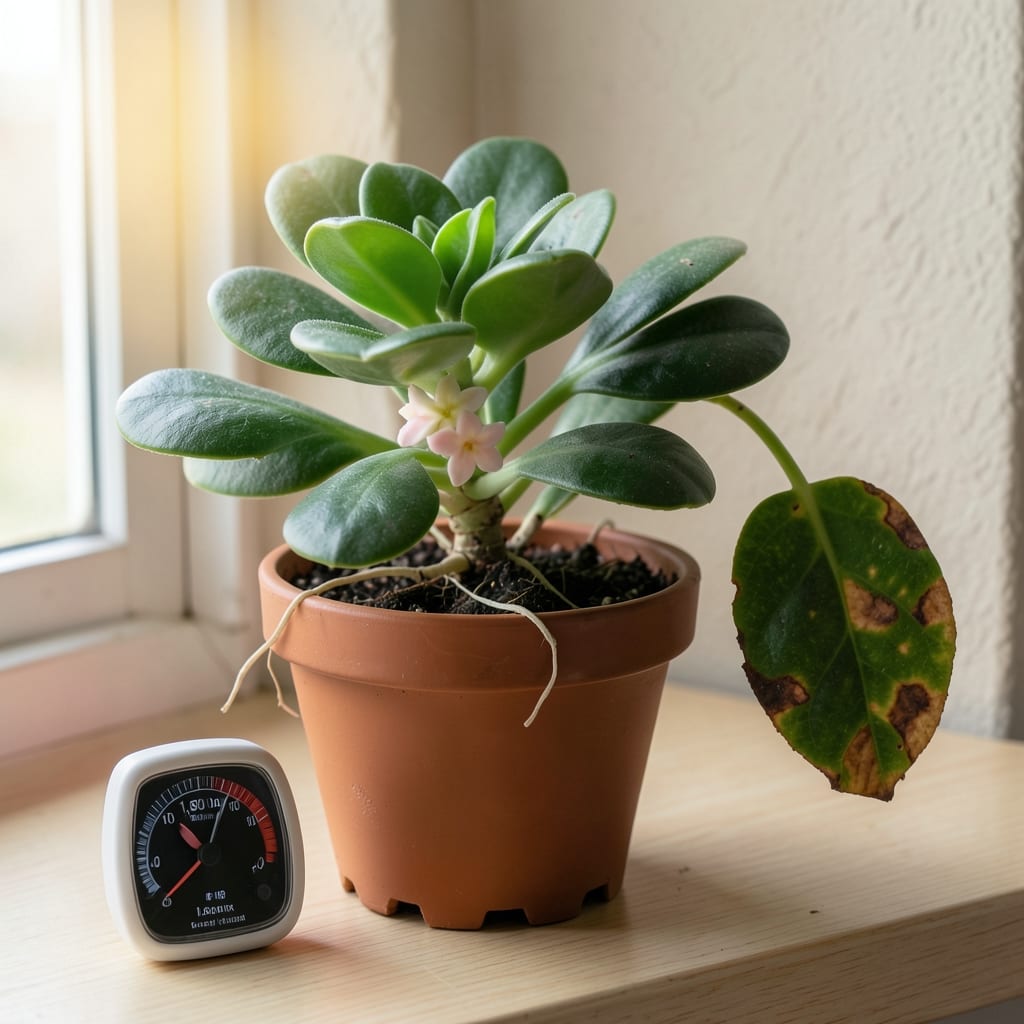
Ideal light requirements for Hoya plants: bright indirect sunlight explained
Hoya plants thrive best under bright indirect sunlight, which mimics their natural habitat in tropical forests. Unlike sun-loving succulents, Hoyas can't handle harsh direct rays, especially during peak afternoon hours when UV intensity spikes. Think of it as the perfect balance—enough light for vibrant growth, but filtered to prevent leaf scorch.
The ideal light intensity for Hoyas falls between 40-60% sunlight exposure. This means placing them near a window where sunlight is bright but diffused, like through sheer curtains or a sheer screen. If you're unsure about your space, imagine how light feels on a cloudy day—this is the perfect analogy for Hoyas.
Hoyas are incredibly adaptable, but their growth and blooming potential directly correlate with light exposure. In low light conditions (below 30%), they'll survive but may produce sparse foliage and few—if any—flowers. Conversely, too much direct sun (above 70%) can cause leaf burn, yellowing, and crispy edges, which are clear signs of stress.
| Light Level | Description | Growth Impact | Best For |
|---|---|---|---|
| Low Light (<30%) | North-facing windows, deep indoors | Survival mode: Slow growth, minimal blooms | Beginners, offices with no natural light |
| Bright Indirect (40-60%) | East/west windows, sheer curtains, 2-3 ft from south window | Thriving: Lush leaves, frequent blooms | Ideal for most Hoya varieties |
| Direct Sun (>70%) | South-facing windows, greenhouses, outdoors in summer | Stress: Leaf burn, yellowing, stunted growth | Outdoor Hoyas in shade cloth or morning sun only |
For indoor Hoyas, the best windows are east-facing or west-facing, where morning or afternoon sun is gentler. A south-facing window can work, but your Hoya should be placed at least 3 feet away to avoid direct rays. If you notice leaves leaning toward the light, it’s a clear sign your plant needs to be rotated quarter-turns every 2 weeks for even growth.
Outdoor Hoyas can enjoy morning sun exposure (6 AM–12 PM) but should be moved to shade by early afternoon. Varieties like Hoya carnosa or Hoya linearis are more tolerant of outdoor conditions, while delicate types like Hoya obovata prefer the safety of indoor environments. Always acclimate outdoor Hoyas gradually to avoid shock.
Pro tip: If your home lacks natural light, a grow light with a 12-hour photoperiod (12 hours on, 12 hours off) can mimic ideal conditions. LED grow lights with a 5000-6500K color temperature are perfect for Hoyas, as they provide the full spectrum of light without heat damage. Place the light 6-12 inches above the plant and adjust the height as it grows.
Seasonal adjustments are key. In winter months, when natural light is dimmer, supplement with a grow light or move your Hoya closer to the brightest window. Conversely, in summer, watch for signs of heat stress—wilting or drooping leaves—and provide extra shade if needed. Hoyas are forgiving, but consistency in light exposure is the foundation of their health.
Remember, the goal is to mimic natural forest conditions where Hoyas thrive under the canopy. With the right light balance, your Hoya will reward you with glossy leaves and stunning blooms that last for weeks. Start with bright indirect light, observe your plant’s response, and adjust as needed—your Hoya will thank you with vibrant growth!
Signs your Hoya isn’t getting enough (or too much) light: leaf patterns to watch
Your Hoya’s leaves speak volumes about its light conditions. If they’re small and sparse, with pale green or yellowing hues, it’s a cry for more light. These signs typically appear when your plant receives less than 30% sunlight, forcing it into survival mode. The good news? Adjusting light exposure often sparks rapid regrowth within weeks.
On the flip side, crispy brown edges or bleached white patches on leaves signal sunburn from too much direct light. This often happens when Hoyas bask in south-facing windows or outdoor afternoon sun. The damage starts as small, dry spots that worsen if ignored, eventually causing leaves to curl or drop entirely.
🌱 Light Deficiency vs. Excess: Quick Diagnosis
❌ Too Little Light
- Pale leaves (lacks chlorophyll)
- Leggy growth (stretching toward light)
- No blooms (energy diverted to survival)
- Slow growth (metabolic slowdown)
Fix:
- Move closer to a window
- Use a grow light 6-12" away
- Rotate plant weekly for even growth
⚠️ Too Much Light
- Brown crispy edges (sunburn)
- White/yellow patches (chlorophyll damage)
- Curling leaves (stress response)
- Premature leaf drop (severe cases)
Fix:
- Move to indirect light (sheer curtain)
- Provide afternoon shade outdoors
- Increase humidity to reduce stress
Another red flag? Leaning or etiolated growth, where stems stretch unnaturally toward the light source. This isn’t just unsightly—it weakens the plant’s structure and makes it prone to breakage. The fix is simple: rotate your Hoya quarter-turns every 2 weeks to encourage balanced growth, even in low-light conditions.
For Hoya varieties with variegated leaves (like Hoya obovata 'Variegata'), light issues become even more obvious. Insufficient light causes the white or yellow variegation to fade or disappear, while too much direct sun can bleach the leaves entirely. These plants need consistent bright indirect light to maintain their stunning patterns.
Pro tip: Check the underside of leaves for clues. Healthy Hoyas have glossy, deep green undersides. Dull or yellowing undersides often signal light stress or overwatering in low-light conditions. Combine this check with your watering routine to catch issues early.
Remember, Hoyas are forgiving plants, but they communicate their needs clearly through leaf patterns. Start by observing your plant’s current light spot for 2-3 weeks—note any changes in leaf color, size, or growth direction. Adjust gradually (never move a Hoya from low to high light overnight), and you’ll see improvements within 4-6 weeks.