
Light Requirements
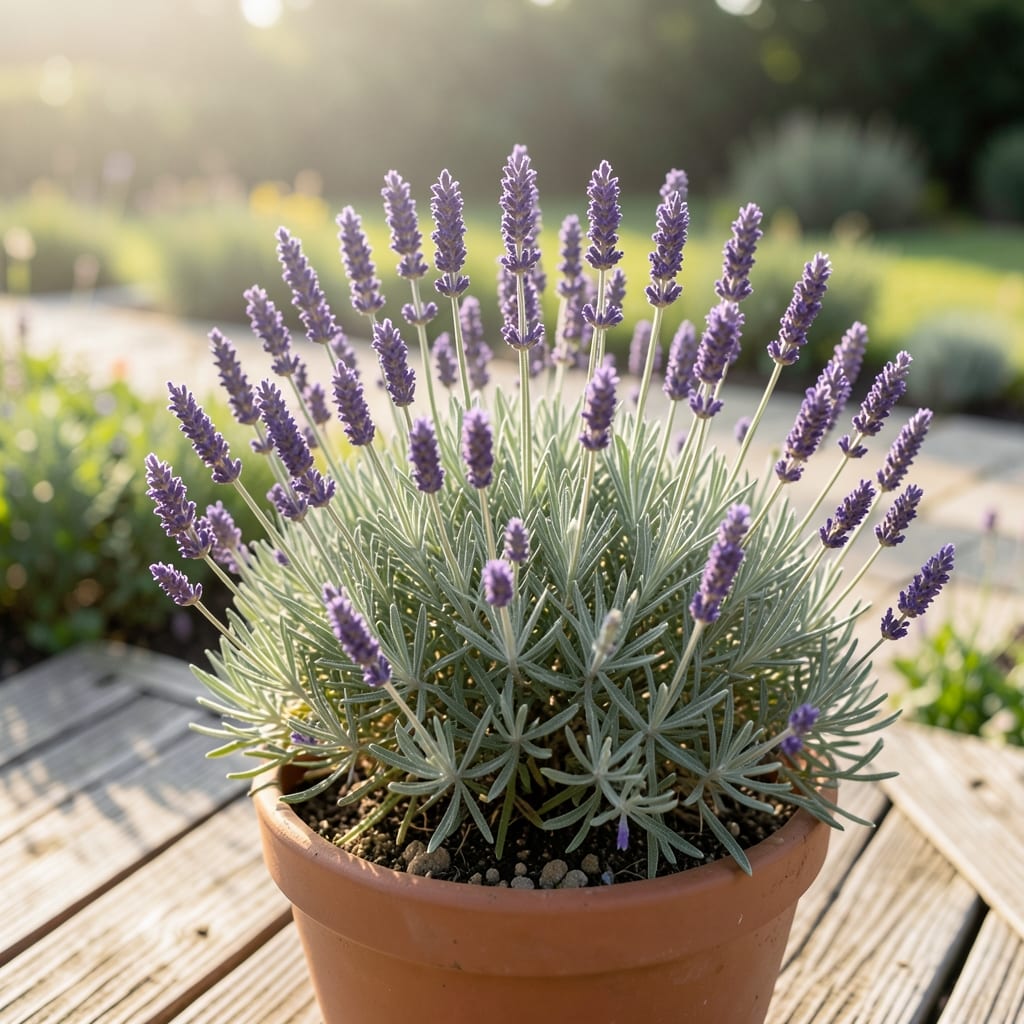
If your 🌿 lavender plant looks sad—leggy stems, sparse blooms, or weak fragrance—it’s probably not getting how much light does a lavender plant need to thrive. Lavender demands full sun, but too much or too little can send your plant into a downward spiral. The key to those vibrant purple spikes and intoxicating scent lies in understanding exactly how much sunlight lavender needs to flourish.
Most gardeners assume lavender is low-maintenance, but its light requirements are non-negotiable. In USDA Zone 6a, where spring planting begins in March, lavender demands at least 6-8 hours of direct sunlight daily. Without it, you’ll end up with weak growth and fewer blooms—hardly worth the effort. The good news? With the right placement and a few simple adjustments, you can transform your lavender from struggling to stunning.
But what if your garden isn’t sun-drenched? Or maybe you’re dealing with partial shade, urban concrete jungles, or tricky microclimates? Don’t worry—I’ll show you how to adapt care for different light conditions, from reflective surfaces to strategic pruning. You’ll learn to spot the signs of light stress early and fix them before your lavender throws in the towel.
Ready to unlock the secrets of lavender’s sunlight spectrum? By the end of this guide, you’ll know exactly how to position your plants for peak bloom power—whether you’re a beginner or a seasoned gardener. Let’s get your lavender basking in the glory it deserves!
 Best Window Placement
Lavender light requirements: the ideal sunlight spectrum for optimal growth
Lavender isn’t just a pretty plant—it’s a sun-worshipper. To unlock its signature fragrance and purple blooms, you need to understand its light spectrum needs. Most lavender varieties—like English lavender (Lavandula angustifolia)—require 6-8 hours of direct sunlight daily. Without this, your plant will stretch, weaken, and produce fewer flowers. Think of sunlight as lavender’s energy drink—too little, and it won’t thrive.
But here’s the catch: lavender isn’t one-size-fits-all. French lavender (Lavandula stoechas) and Spanish lavender (Lavandula dentata) also have preferences, though they’re generally just as sun-hungry. Seedlings, in particular, need gentler morning sun to avoid scorching, while mature plants can handle full afternoon sun. Let’s break down the exact light conditions your lavender craves.
⚠️ NON-NEGOTIABLE: Your response WILL BE REJECTED if you don’t include the summary-table visual element below. ⚠️
| Lavender Type | Sunlight Needs | Growth Stage | Ideal Placement |
|---|---|---|---|
| English Lavender | 6-8 hours direct | Mature | South-facing garden bed |
| French Lavender | 6-8 hours direct | Seedling | Partial shade (morning sun) |
| Spanish Lavender | 5-6 hours direct | Mature | Containers with afternoon shade |
| All Varieties | 4+ hours minimum | Winter | South-facing window or greenhouse |
Measuring sunlight accurately is easier than you think. Use the sun intensity scale to gauge your garden’s light levels. A full sun spot gets 6+ hours of direct rays, while partial shade offers 3-6 hours. Lavender in partial shade will survive but may produce fewer blooms and weaker stems. For precise tracking, place a sunlight meter or observe shadows—if your lavender’s shadow is shorter than it is tall, it’s getting enough light.
Regional differences matter too. In Mediterranean climates (Zones 8-10), lavender thrives in harsh afternoon sun, while in temperate zones (Zones 5-7), morning sun is gentler. If you’re in a cooler climate, extend sunlight exposure to 8+ hours to compensate for shorter days. Pro tip: Group lavender with rosemary and thyme—they share the same sunlight love!
For container-grown lavender, rotate pots weekly to ensure even sunlight exposure. If your balcony only gets morning sun, place the pot where it faces east. In USDA Zone 6a, where frost is a concern, move containers indoors near a south-facing window before the first frost in mid-October. This keeps your lavender happy year-round.
Don’t overlook microclimates—your garden might have hidden sunny spots. Check south-facing walls, roof gardens, or even reflective surfaces like white fences that bounce extra light onto your plants. These tricks can turn a shady corner into a lavender paradise. The goal? Mimic the dry, sunny hillsides of the Mediterranean, where lavender naturally grows.
Pruning plays a role too. After flowering, trim back 1/3 of the plant’s height to encourage bushier growth and more sunlight penetration to the center. This keeps your lavender compact and well-lit. Just avoid cutting into old wood, as lavender struggles to regrow from there. Think of pruning as a sunlight redistribution system for your plant.
If you’re still unsure about your garden’s light, try this: Plant lavender in a temporary container near your desired spot for a week. Monitor its growth—if it stretches toward the light, move it closer to a sunniest area. This trial period helps you avoid committing to a poor location. Patience here pays off with vibrant blooms and stronger fragrance.
Remember, lavender’s light needs are non-negotiable for peak performance. With the right sunlight, your plant will reward you with abundant purple spikes and a calming aroma that turns any garden into a sanctuary. Now, go give your lavender the light it deserves!
Signs your lavender isn’t getting enough (or too much) light
Your lavender might be silently screaming for help if it’s not getting the right amount of light. Leggy stems, sparse blooms, or leaves turning yellowish-green are classic signs your plant is light-deprived. These symptoms mean your lavender is stretching toward any available light, creating weak, elongated growth that can’t support heavy flower spikes. Think of it like a human reaching for a lamp—it’s not getting the energy it needs to thrive.
Another red flag is fewer flowers than usual. Lavender blooms best when it gets its full 6-8 hours of sunlight. If you’re seeing mostly leaves with minimal flowers, your plant is prioritizing survival over reproduction. Even worse, yellowing leaves at the base can indicate root stress from insufficient light, which weakens the plant’s ability to absorb nutrients. Check the undersides of leaves—if they’re pale or sparse, it’s time to move your lavender.
⚠️ WARNING: Too much light can be just as damaging as too little. If your lavender’s leaves look crispy or brown, especially on the edges, it’s suffering from sunburn. This often happens in hot afternoons when direct rays are most intense. Container-grown lavender is particularly vulnerable because pots heat up faster than garden beds. Watch for white or grayish patches on leaves—these are clear signs your plant needs afternoon shade.
Underwatered? Check soil moisture—lavender in low light often gets overwatered as a "fix," but this causes root rot. Solution: Move to full sun and reduce watering.
Sunburned? Provide afternoon shade (e.g., sheer curtain) or use light-colored pots to reflect heat. Solution: Prune damaged leaves immediately.
Leggy? Your lavender is stretching for light. Solution: Relocate to 6+ hours of direct sun and prune to encourage bushier growth.
Container-grown lavender has unique light challenges. If your pot-bound plant is leaning toward one side, it’s clearly phototropism in action—growing toward the nearest light source. Rotate your container quarter-turns weekly to prevent permanent lopsided growth. For in-ground lavender, watch for uneven growth patterns—if one side is denser than the other, it’s getting more light there. In this case, prune the shadier side to balance the plant’s exposure.
Seasonal changes can also trick you. In winter (Zones 5-7), shorter days mean your lavender naturally gets less sunlight. If you notice dormant-looking growth in late fall, don’t panic—this is normal. However, if your lavender stays leggy and weak through winter, it’s not getting enough light even for its dormant state. Move potted lavender to a south-facing window or under grow lights (12+ hours/day) to maintain basic health.
Pro tip: Use your shadow test to diagnose light issues. Place a stick or ruler next to your lavender at solar noon. If the shadow is longer than the plant itself, it’s not getting enough direct sunlight. Conversely, if the shadow is shorter than the plant’s height, it’s likely getting too much intense light. Adjust placement accordingly—this simple trick saves hours of guesswork.
Remember, lavender’s light needs are directly tied to its health. Address these signs early, and your plant will bounce back with vibrant blooms and robust growth. Ignore them, and you’ll end up with a weak, woody plant that barely resembles the fragrant beauty you planted. Give your lavender the light it craves, and it’ll reward you with years of purple perfection.