
Companion Plants
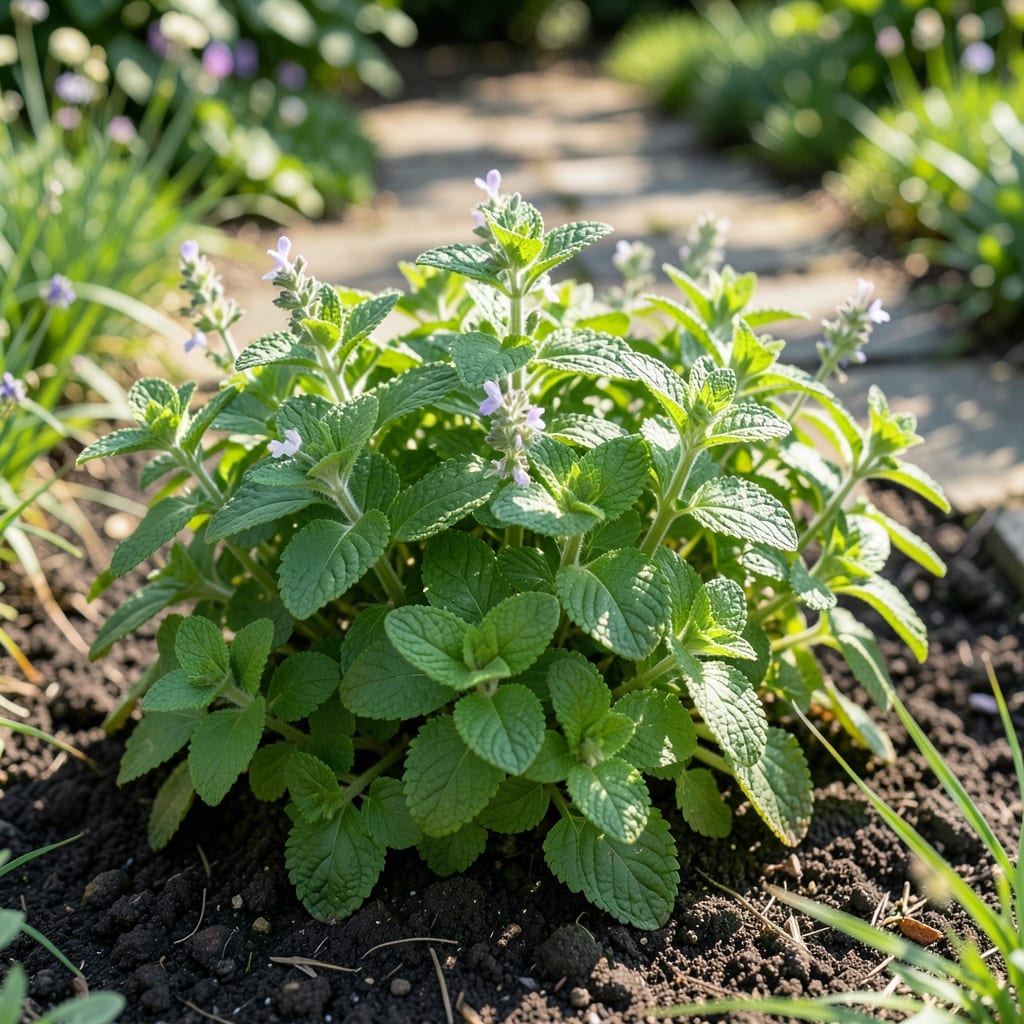
If your mint plant 🌿 is struggling to thrive, you might be getting the light wrong—because mint isn’t fussy, but it does need the right balance to stay lush and flavorful. Too little sun, and you’ll end up with leggy stems and weak leaves; too much, and those crisp edges will burn before you can enjoy your harvest.
Most gardeners assume mint can handle anything, but the truth is, it thrives with 3 to 6 hours of sunlight daily—whether that’s bright indirect light from an east-facing window or dappled shade in your garden. The key is finding that sweet spot where your mint gets enough energy to grow without wilting or turning bitter.
Whether you’re growing mint in pots on your kitchen counter or tucked into a shady garden bed, small adjustments—like rotating your plant or choosing the right spot—can make all the difference. Let’s break down exactly how to give your mint the perfect light conditions so you can enjoy fresh, vibrant leaves all season long.
From indoor windowsills to outdoor garden beds, I’ll show you how to spot the signs of poor lighting and fix them fast. No more guesswork—just a thriving mint plant ready for your next cup of tea or homemade mojito.

Optimal light requirements for mint plants: 3 to 6 hours of sun daily
Mint plants 🌿 thrive best with 3 to 6 hours of sunlight daily, making them perfect for gardeners who want a low-maintenance herb without the high-light demands of tomatoes or peppers. This partial shade requirement means they can handle bright indirect light or filtered sunlight, but they’ll struggle in deep shade or scorching afternoon rays.
The key is striking that balance—too little light leads to leggy, weak stems and pale leaves, while too much can cause leaf burn and bitter flavors. Understanding your mint’s light needs is the first step to growing a bushy, aromatic plant that’s ready for harvesting in just 60 to 90 days.
Here’s what you need to know about mint’s light preferences, from indoor windowsills to outdoor garden beds:
| Light Condition | Ideal Duration | Best For | Signs of Stress |
|---|---|---|---|
| Morning Sun | 3-4 hours | Indoor windowsills, outdoor beds | Slow growth, pale leaves |
| Partial Shade | 4-6 hours | Balanced growth, strong flavor | None (ideal conditions) |
| Afternoon Sun | 2-3 hours max | Shaded garden corners | Burnt leaf edges |
| Deep Shade | <1 hour | Avoid entirely | Leggy stems, weak aroma |
If you’re growing mint in USDA Zone 6a or warmer, aim for morning sun exposure between 6 AM and 12 PM, as the cooler temperatures are gentler on the leaves. In hotter climates, even 2-3 hours of afternoon shade can prevent leaf scorch while still providing enough light for robust growth.
For indoor gardeners, an east-facing window is ideal because it offers gentle morning light without the harsh afternoon rays. If your only option is a south-facing window, use a sheer curtain to diffuse the light and prevent burning. Rotate your mint pot quarter-turns weekly to ensure even growth—this prevents the plant from leaning toward the light source.
Seasonal adjustments are also key. In spring and fall, mint can handle up to 6 hours of sunlight as days lengthen, but during summer’s peak heat, reduce exposure to 3-4 hours to avoid stress. Watch for yellowing leaves or crispy edges, which are clear signs your mint is getting too much direct sun.
Pro tip: If your mint starts flowering, it’s a sign it’s not getting enough light. Pinch off those buds early to redirect energy into leaf growth—this keeps your plant lush and flavorful instead of letting it focus on reproduction. With the right light balance, your mint will reward you with dark green, aromatic leaves ready for harvesting in just 75 days.
Remember, mint is a perennial in mild climates but often treated as an annual in colder zones. Even if you replant each year, giving it the perfect light conditions will ensure a bountiful harvest season after season.
Optimal light requirements for mint plants: 3 to 6 hours of sun daily
Mint plants 🌿 love bright, indirect light but can handle partial shade—the key is 3 to 6 hours of sunlight daily. Too much direct sun, especially in the afternoon, can scorch delicate leaves, while too little light leads to weak, leggy growth. Think of mint as the Goldilocks of herbs: not too hot, not too cold, but just right.
In outdoor gardens, place mint where it gets morning sun (6 AM–12 PM) and afternoon shade. A spot near a tree providing dappled light works perfectly. If your garden is fully shaded, mint will still grow but may produce fewer leaves and develop a milder flavor.
For indoor mint, an east-facing window is ideal—it offers gentle morning light without the harsh afternoon rays. South-facing windows can work too, but move your plant 2–3 feet back from the glass to avoid leaf burn. West-facing windows? Skip them—intense afternoon sun will fry your mint.
| Light Condition | Daily Sunlight | Best For | Signs of Stress |
|---|---|---|---|
| Full Sun | 6+ hours | Outdoor beds (morning only) | Brown leaf tips, crispy edges |
| Partial Shade | 3–6 hours | Indoor windows, garden borders | Pale leaves, slow growth |
| Low Light | <2 hours | North-facing windows | Leggy stems, sparse leaves |
Seasonal adjustments matter too. In summer, mint can handle slightly more shade to prevent heat stress, while winter light may require supplementing with a grow light if your home lacks natural brightness. Even a 12-inch LED grow bulb (6–8 hours daily) can keep mint thriving indoors during short winter days.
Pro tip: Rotate your mint pot quarter-turn weekly to ensure even light exposure. This prevents one side from stretching toward the window while the other stays weak. A little effort now means bushier, more flavorful mint all season long.
Watch for yellowing leaves or stretched stems—these are red flags. Yellowing often means too much water (or poor drainage), but paired with slow growth, it’s usually a light issue. Adjust your plant’s spot and observe for 2–3 weeks to see improvements.