
Plants
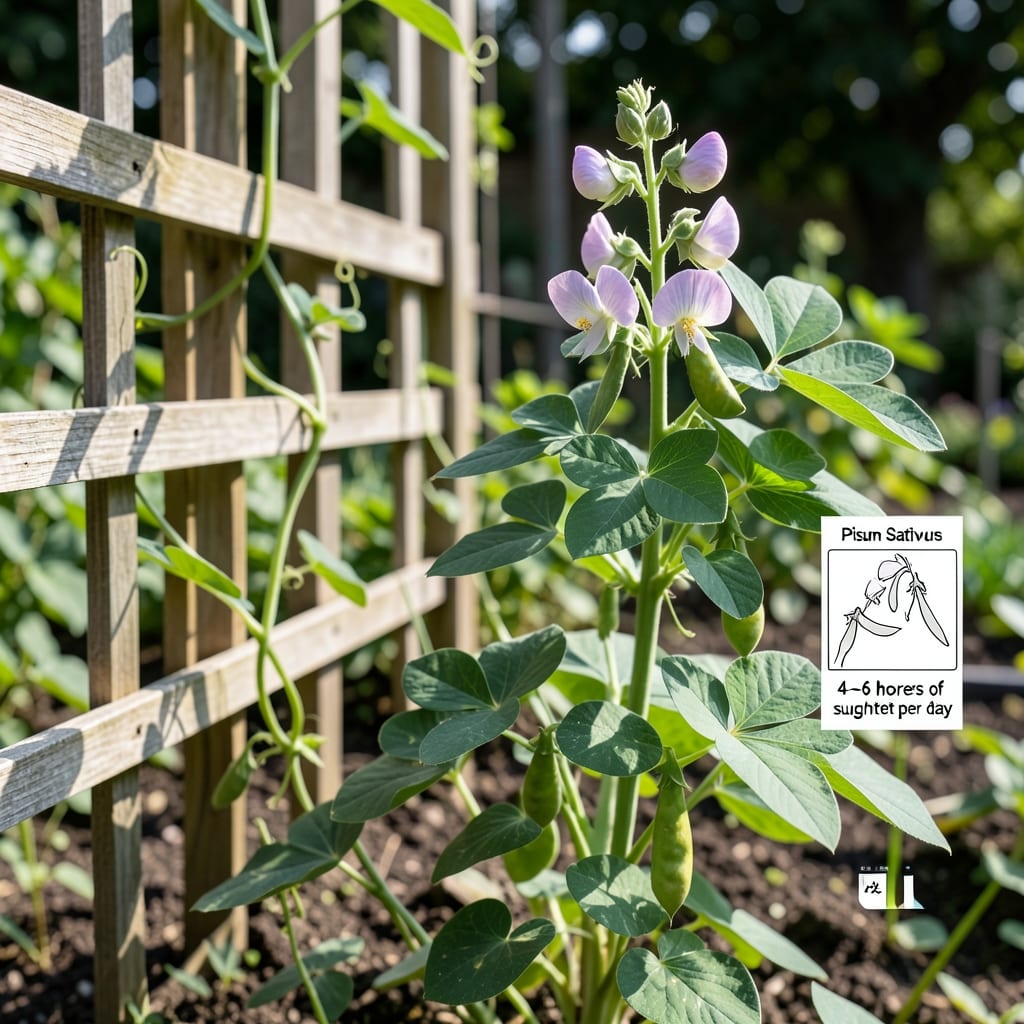
If your Peace Lily 🌿 is looking more like a sad, droopy friend than a thriving houseplant, how much light does a peace plant need might be the missing puzzle piece. This elegant plant thrives in bright, indirect sunlight—but too much or too little can turn its leaves brown or limp faster than you can say "plant emergency." Most people assume low light is fine, but that’s where the confusion starts. Your Peace Lily actually craves moderate brightness—think east-facing windows or a spot near a north window where it gets filtered light all day. Too much direct sun? Watch those leaves scorch. Too little? You’ll see slow growth and weak stems. Here’s the good news: getting the light right isn’t rocket science. I’ll show you exactly where to place your plant—whether you’ve got a sunroom, a dim corner, or even a bright kitchen—to keep it happy and blooming. No more guesswork, just lush, vibrant leaves. Ready to rescue your Peace Lily? Let’s dive into the secrets of bright indirect sunlight and how to spot when your plant is begging for a light adjustment. Trust me, your plant will thank you with those signature white blooms!


Peace Lily light requirements: the ideal bright indirect sunlight balance
Your Peace Lily (Spathiphyllum) thrives on bright indirect sunlight, making it perfect for homes with filtered light. Direct sun can scorch its delicate leaves, while too little light causes leggy growth or brown tips. The key is mimicking its natural tropical understory habitat—think dappled shade through tree canopies.
In ideal conditions, your plant needs 4-6 hours of bright indirect light daily. This means placing it near an east-facing or north-facing window, where harsh afternoon rays are avoided. South-facing windows work too, but use a sheer curtain to diffuse the intensity during peak sun hours (10 AM–4 PM).
If your home lacks natural light, don’t worry—artificial grow lights can supplement effectively. LED grow bulbs with a 6500K color temperature (cool white) are perfect for filling light gaps, especially in winter when daylight fades early. Position the light 6-12 inches above the plant for 12-14 hours daily.
Here’s the science behind it: Peace Lilies rely on chlorophyll in their leaves to convert light into energy through photosynthesis. Too little light slows this process, leading to weak stems and sparse foliage. Meanwhile, excessive direct sun triggers oxidative stress, causing crispy brown edges—a classic sign of sunburn.
For visual learners, here’s a quick breakdown of your Peace Lily’s light needs—from ideal conditions to troubleshooting:
| Light Condition | Ideal Setup | Signs of Stress |
|---|---|---|
| Bright Indirect Light | East/north window, 1-3 ft away | Healthy glossy leaves, occasional blooms |
| Low Light (Under 20%) | Dim corners, no direct sun | Leggy stems, yellow leaves, no flowers |
| Direct Sun (Over 50%) | South/west window, no shade | Brown crispy edges, wilting, leaf drop |
| Artificial Light Supplement | LED grow bulb, 6-12" above | Steady growth, vibrant foliage |
Pro tip: Rotate your plant quarter-turn weekly to ensure even light exposure. This prevents one side from stretching toward the light while the other remains weak—a common issue called etiolation. A simple 180-degree flip every month keeps your Peace Lily balanced and bushy.
If you notice yellowing leaves, it’s often a sign of overwatering or insufficient light. To test, move the plant to a brighter spot for a week. If the yellowing stops, you’ve found your solution! Conversely, brown tips usually mean dry air from heat sources (like radiators) combined with low humidity—address this with a pebble tray or humidifier.
For those with south-facing windows, use a white lace curtain to scatter light softly. Avoid dark curtains, which block too much light and force the plant into survival mode. Remember: Your Peace Lily’s goal is to grow lush, not just survive—so prioritize that bright indirect glow over harsh conditions.
🌿
Peace Lily light requirements: the ideal bright indirect sunlight balance
Your Peace Lily (Spathiphyllum) thrives in bright indirect light, making it perfect for homes with east or north-facing windows. Direct sun can scorch its leaves, while too little light causes weak growth and fewer blooms. The key is finding that sweet spot where your plant gets 4-6 hours of filtered sunlight daily—think dappled shade under a sheer curtain.
If your home lacks natural light, don’t worry! Peace Lilies are adaptable. They can tolerate low-light conditions (like offices or bathrooms) but may grow slower and skip flowering. The trade-off? They’re more forgiving than fussy tropical plants. For optimal health, aim for medium to bright indirect light—this mimics their native understory habitat in tropical forests.
| Light Requirement | Ideal Conditions | Effects of Poor Light |
|---|---|---|
| Bright Indirect Light | 4-6 hours daily; east/north windows | Healthy growth, frequent blooms |
| Low Light | Under 4 hours; offices, bathrooms | Slow growth, yellow leaves, no flowers |
| Direct Sunlight | South/west windows, no filter | Brown tips, crispy edges, leaf burn |
Position your Peace Lily 1-3 feet from a north-facing window for the best results. Rotate the pot quarter-turns monthly to ensure even growth—leaves naturally lean toward light sources. In summer, watch for intense afternoon sun through south or west windows, which can cause leaf damage. A sheer curtain acts as a natural filter to diffuse harsh rays.
For artificial lighting, LED grow lights with 5000-6500K color temperature work wonders. Place the bulb 12-18 inches above the plant and provide 12-14 hours of light daily if natural light is scarce. Fluorescent bulbs are budget-friendly but require closer placement (6-8 inches) for effectiveness.
Pro tip: Monitor your plant’s leaves for clues. Dark green, glossy leaves mean it’s happy. Pale or dull leaves? It’s craving more light. Brown edges? Move it away from direct sun immediately. The goal is to balance light exposure so your Peace Lily stays lush and blooms reliably.
Remember, consistency is key. Sudden changes in light can stress your plant, leading to dropped leaves or wilting. Gradually adjust its position over 1-2 weeks if you’re relocating it. With the right light, your Peace Lily will reward you with year-round greenery and occasional white blooms—a true indoor jungle statement!