
Light Requirements
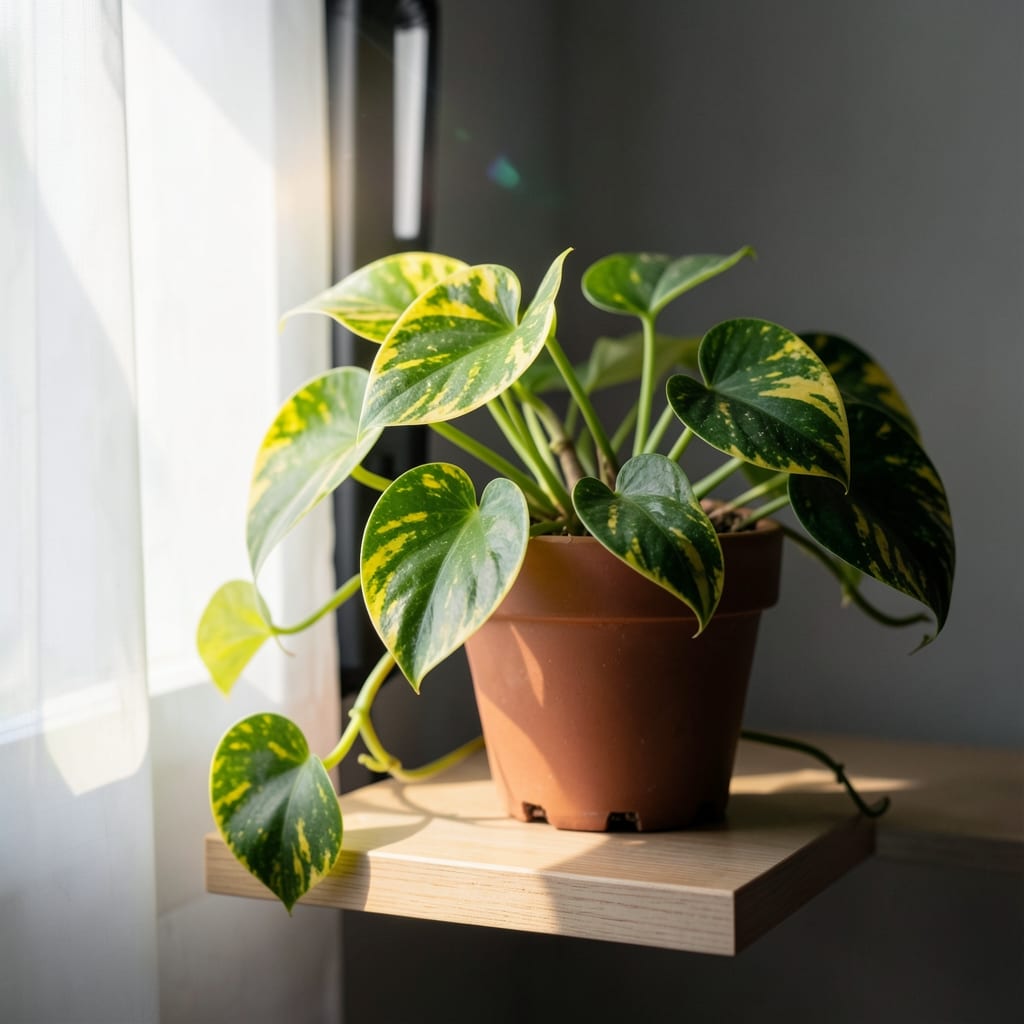
If your Pothos 🌿 plant is struggling—drooping leaves, sparse growth, or crispy edges—chances are, you're getting how much light does a Pothos plant need wrong. The truth is, most people either overthink or underestimate how much light this resilient vine actually needs to thrive, and the difference between a lush, fast-growing plant and a stressed one often comes down to just a few hours of proper exposure.
Here's the secret: your Pothos doesn't demand bright, direct sunlight like a sunflower. In fact, too much of it can scorch those beautiful heart-shaped leaves. What it truly craves is bright, indirect light—think of it as the perfect balance between cozy and energetic. Whether you're dealing with a dim corner or a south-facing window, I'll show you exactly how to dial in the ideal conditions so your plant doesn't just survive, but flourishes.
We'll break down the exact light hours your Pothos needs daily, how to spot when it's getting too much or too little, and the best spots in your home to place it—no guesswork required. Plus, I'll share my go-to tricks for supplementing natural light when your space falls short, so you can keep those vines trailing beautifully year-round.
By the end, you'll know precisely how to create the perfect light environment for your Pothos, whether you're working with a north-facing window or need to rely on artificial lighting. Let's get your plant growing like the jungle it's meant to be!
 Best Window Placement
Pothos light requirements: ideal hours and intensity for healthy growth
Your pothos plant thrives on bright indirect light, making it perfect for homes with limited natural sunlight. While it can survive in low-light conditions, this often leads to slow growth and leggy stems. Aim for 2-4 hours of indirect light daily to keep your pothos lush and vibrant.
The key is avoiding direct sunlight, which can scorch leaves and cause brown patches. Even a few hours of harsh afternoon sun can stress your plant. Instead, position it near a north-facing window or a few feet away from an east or west-facing window.
Pothos plants are adaptable, but their light needs change with growth stages. New leaves benefit from slightly more light to develop rich color, while mature vines can tolerate dimmer conditions. Understanding these shifts helps prevent common issues like yellowing or crispy edges.
| Growth Stage | Ideal Light Hours | Light Type | Signs of Stress |
|---|---|---|---|
| Seedlings | 3-4 hours | Bright indirect | Leggy stems |
| Juvenile Plants | 2-3 hours | Indirect light | Pale leaves |
| Mature Vines | 1-2 hours | Low to bright indirect | Brown leaf tips |
If your home lacks natural light, consider supplementing with grow lights. LED grow lights with a cool white spectrum (5000-6500K) work best. Place them 6-12 inches above your pothos for 12-14 hours daily to mimic natural daylight cycles.
Monitor your pothos closely for signs of light deficiency, like yellowing leaves or slow growth. These indicate it needs more light. Conversely, leaf burn (brown crispy edges) means it’s getting too much direct sun. Adjust placement immediately to restore balance.
Seasonal changes also affect light needs. In winter months, shorter daylight hours may require moving your pothos closer to a window or extending grow light exposure. Conversely, during summer months, filter light with sheer curtains to prevent overheating.
For best results, rotate your pothos quarterly to ensure even growth. This prevents one side from stretching toward the light source, keeping your plant full and symmetrical. A well-lit pothos will reward you with glossy, heart-shaped leaves and rapid vine growth.
Even in low-light conditions, your pothos can thrive with patience. Start with 2 hours of indirect light and gradually increase exposure if you notice slow growth. The goal is to find that sweet spot where your plant stays happy without stress.
Remember, every home’s lighting varies. Experiment with placement and observe your pothos’s response. With the right light, your plant will become a fast-growing, low-maintenance staple in your indoor garden.
How to adjust light for different pothos growth stages (from seedlings to mature plants)
Adjusting light for your pothos plant depends entirely on its growth stage. Seedlings need the most attention, while mature vines are far more forgiving. Start with 3-4 hours of bright indirect light for new sprouts to encourage sturdy stems and vibrant leaves. As your pothos matures, gradually reduce exposure to 1-2 hours daily for established plants.
For indoor pothos, position seedlings near an east-facing window where morning sun is gentle but consistent. Avoid south-facing windows, as the intense afternoon light can scorch delicate young leaves. If natural light is insufficient, use a grow light bulb (6500K color temperature) for 12 hours daily to mimic natural daylight.
- 🌱 Seedlings (0-6 months): Place 1-2 feet from a north or east window for 3-4 hours daily. Use a grow light if natural light is weak.
- 🌿 Juvenile Plants (6-12 months): Gradually reduce to 2-3 hours of indirect light. Rotate the pot quarterly for even growth.
- 🪴 Mature Vines (1+ years): Tolerate 1-2 hours of low to bright indirect light. Can thrive in office lighting or bathroom windows.
- ☀️ Seasonal Adjustments: In winter, supplement with grow lights for 14 hours daily. In summer, use sheer curtains to filter harsh rays.
Outdoor pothos care requires extra caution. While they can handle partial shade outside, avoid placing them in direct afternoon sun, which causes leaf burn. Instead, choose a spot with dappled sunlight, like under a tree canopy or on a covered patio. If moving your pothos outside, acclimate it gradually over 1-2 weeks to prevent shock.
Watch for growth patterns to gauge light needs. If your pothos develops long, leggy stems, it needs more light. Conversely, dark green leaves with brown edges signal too much direct sun. Fine-tune placement by moving the plant a few inches closer or farther from the light source weekly until you find the perfect balance.
Don’t forget that artificial lighting can be a game-changer. A simple LED desk lamp (1000-3000 lumens) placed 12 inches above your pothos provides consistent light for office or bedroom setups. For larger plants, consider a full-spectrum grow light on a timer to maintain a natural photoperiod.
With these adjustments, your pothos will grow stronger and healthier at every stage. Start with the right light conditions for seedlings, then adapt as your plant matures. Soon, you’ll have a thriving, vine-filled jungle that’s the envy of every plant lover.