
Plants
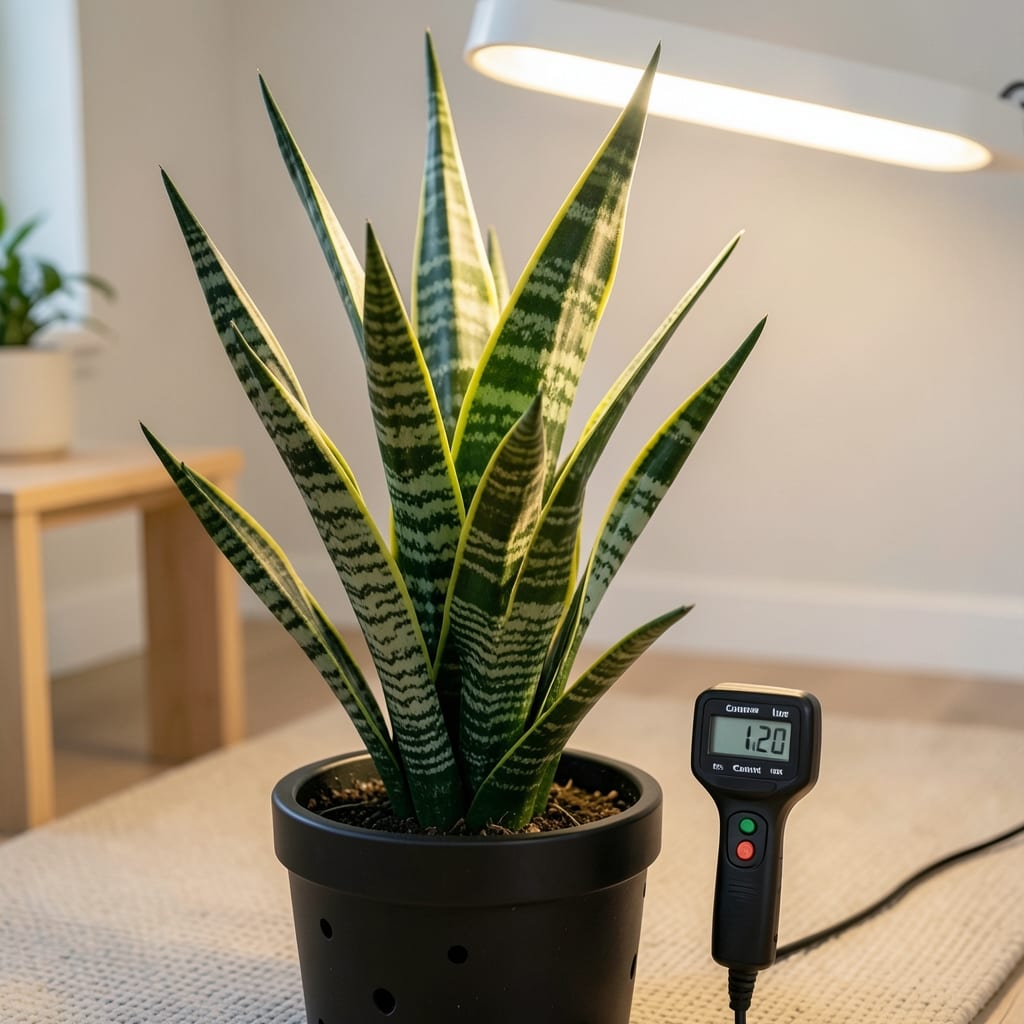
If you're wondering how much light does a rattlesnake plant need, the answer is more nuanced than you might think—this striking foliage plant thrives in bright indirect sunlight, but most people either over- or underestimate how much it truly needs.
The key to keeping your rattlesnake plant happy lies in mimicking its natural habitat. In USDA Zone 6, it prefers dappled shade under taller trees, which means direct sun is a no-go. Too much sunlight causes brown patches, while too little leads to leggy, weak growth that stretches desperately toward any available light.
Don’t worry—fixing this is easier than you think. I’ll walk you through exactly how many hours of light your rattlesnake plant needs, where to place it in your home for optimal growth, and what to watch for when the lighting isn’t quite right. With the right setup, your plant will bounce back with those gorgeous, patterned leaves in no time.
Whether you’re dealing with a north-facing window or an office space with fluorescent lighting, I’ve got practical tips to help your rattlesnake plant flourish year-round. Let’s get those leaves looking their absolute best!

Ideal light requirements for rattlesnake plants: exact hours & intensity
Your rattlesnake plant (Calathea orbifolia) thrives on bright indirect sunlight, but getting this right can be tricky. Unlike sun-loving plants, these beauties burn easily under harsh direct rays, yet they struggle in dim corners. The sweet spot? 6-8 hours daily of filtered light—like what you’d find near an east-facing window or under sheer curtains.
Think of it like a sunbathing scenario: your plant wants morning sun exposure (6 AM–12 PM) but afternoon shade protection. Direct afternoon sun (1 PM–5 PM) is a no-go—it causes those dreaded brown leaf tips that even experienced growers dread. Even fluorescent office lighting can work in a pinch, but natural light is always best.
Here’s the light spectrum secret: rattlesnake plants prefer blue-green light wavelengths (400–500 nm), which you’ll find in morning sunlight or under cool-white LED grow lights. Avoid yellow-toned bulbs—they mimic sunset and confuse your plant’s growth cycle. Pro tip: Rotate your plant quarter-turns weekly to ensure even light distribution across its striking patterned leaves.
| Light Requirement | Specification |
|---|---|
| Daily Duration | 6–8 hours of bright indirect light |
| Ideal Light Type | Morning sun + afternoon shade (east/west windows) |
| Light Intensity | 40–60% of full sunlight (like under sheer curtains) |
| Avoid | Direct afternoon sun or north-facing windows (too dim) |
| Best Indoor Placement | 2–3 feet from an east-facing window or south-facing with a sheer curtain |
If you’re growing your rattlesnake plant in a greenhouse or conservatory, position it 10–15 feet from the glass to diffuse harsh sunlight. In low-light apartments, supplement with a 15W–20W LED grow bulb (6,500K color temperature) for 12–14 hours daily. The key is consistency—avoid sudden light changes, as they stress the plant and cause leaf curling.
For outdoor cultivation (USDA Zones 10–12), your rattlesnake plant can handle dappled shade under trees, but never full sun. Even 1 hour of direct midday sun can scorch its delicate foliage. Test your outdoor spot by placing a white sheet of paper in the shade—if it’s too bright to read, the light’s too intense.
One common mistake is assuming all indoor plants need low light. Rattlesnake plants are not low-light plants—they’re medium-light lovers that crave brightness without harsh rays. If your plant’s leaves start losing their pattern or turning dull green, it’s begging for more light. But if the edges crisp up, you’ve overdone it.
Seasonal adjustments are crucial: in winter, when daylight shrinks, move your plant closer to the window (but still avoid direct sun). In summer, increase humidity around it (mist leaves daily) to compensate for drier air and prevent light stress. A pebble tray with water under the pot works wonders for humidity-loving Calathea species.
Remember: healthy rattlesnake plants have bold, upright leaves with crisp patterns. If yours looks leggy or pale, it’s time to find a brighter spot—just keep those afternoon rays filtered. Your plant will reward you with vibrant new growth within weeks.
Signs your rattlesnake plant isn’t getting enough (or too much) light
Your rattlesnake plant’s leaves tell a clear story about its light conditions. If the patterns fade or leaves turn dull green, it’s begging for brighter light. This is your plant’s way of saying, “I need more morning sun!” but not the harsh kind—think filtered brightness like dappled shade. Watch for leggy stems stretching toward windows; this is a classic light-starved signal.
On the flip side, brown crispy edges or yellow patches mean too much direct sunlight. These sunburn scars appear first on older leaves as a warning: “Move me away from that west-facing window!” Even one hour of afternoon sun can trigger this damage. Pro tip: Check the underside of leaves—if they’re bleached or pale, your plant’s been over-exposed.
Seasonal changes bring new light challenges. In winter, when daylight drops below 6 hours, your rattlesnake plant may drop lower leaves to conserve energy. This is normal—just move it closer to the brightest window and consider a grow light if leaves turn pale and sparse. In summer, watch for sudden leaf drop when moving from indoor AC to outdoor shade—acclimate gradually over 3-5 days.
Here’s a quick DIY light test: Place your plant in a candidate spot for 24 hours. If you can read a book comfortably under the same light, it’s too dim. If the page glows brightly (like a sunny day), it’s too harsh. The perfect spot should let you read easily but still see shadows—this mimics dappled forest light, exactly what your rattlesnake plant craves.
Don’t ignore new growth patterns—they reveal your plant’s true light happiness. Healthy rattlesnake plant pups (baby plants) emerge with tight, upright leaves when light is ideal. If new leaves are small and stretched, it’s light-starved. If they’re thick and leathery with brown tips, you’ve overdone the sun. Adjust slowly—sudden changes cause more stress than the original problem.
Remember: your rattlesnake plant’s patterns are its superpower. When light is perfect, those striking dark veins on green or purple leaves pop with contrast. If they blur or disappear, it’s time to reassess your lighting setup. With these signs as your guide, you’ll keep your plant thriving—not just surviving.