
Plants
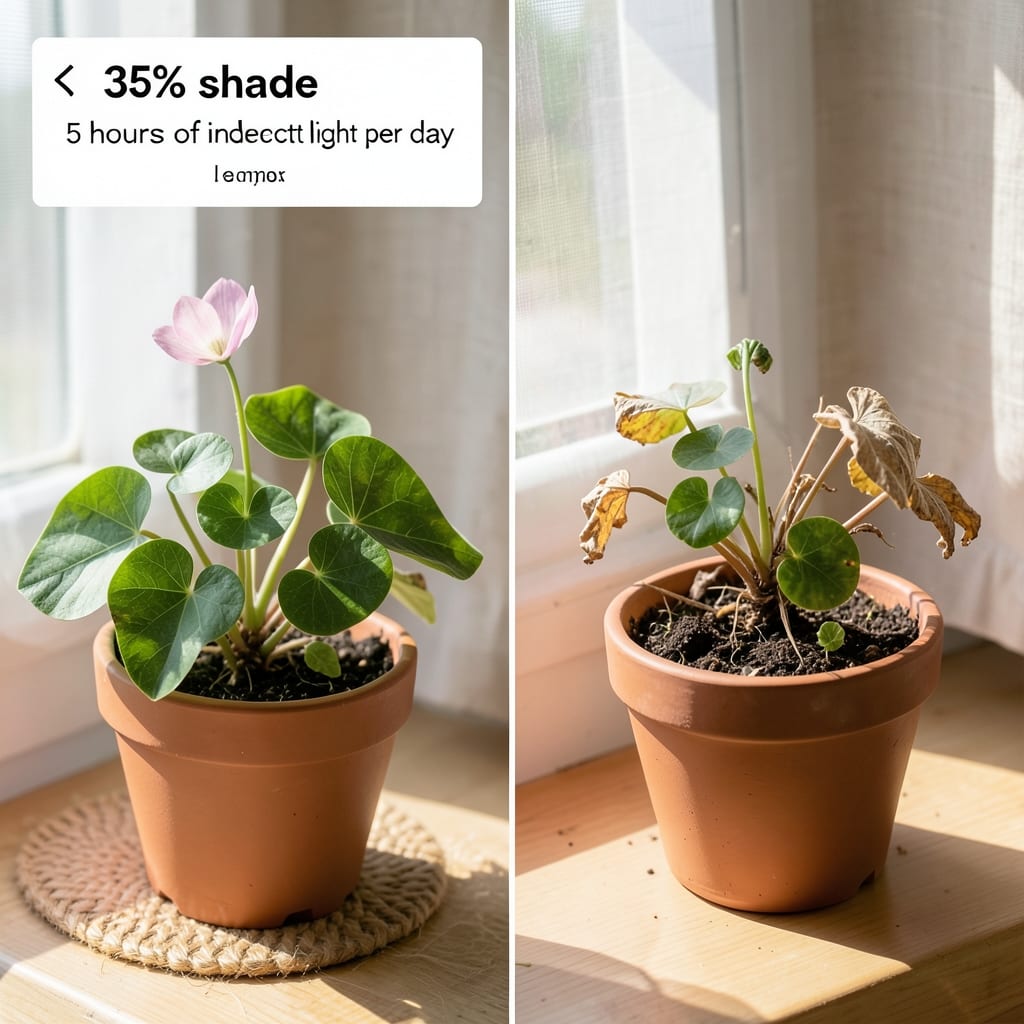
If your 🍀 shamrock plant looks pale and stretched out, chances are it how much light does a shamrock plant need to thrive—but not the harsh kind. The key to vibrant, lush growth lies in understanding how much light a shamrock truly needs, and most beginners get this wrong.
Shamrocks thrive in bright indirect sunlight, making them perfect for indoor spots like east-facing windows where morning sun gently brightens the leaves without scorching them. Too little light weakens the plant, while too much can turn those pretty leaves brown and crispy.
I’ve learned the hard way that shamrocks aren’t one-size-fits-all when it comes to light. Whether you’re growing yours indoors or outdoors in USDA Zone 6a, small adjustments—like rotating the pot or adding a sheer curtain—can make all the difference.
Let’s break down exactly how to give your shamrock the perfect light balance for year-round beauty, so you can enjoy those lucky 🍀 leaves all season long.

Ideal light requirements for shamrock plants: bright indirect sunlight explained
Shamrock plants (Oxalis spp.) love bright indirect sunlight, which keeps their leaves vibrant and compact. Unlike sun-loving succulents, shamrocks hate intense midday rays that can bleach or burn their delicate foliage. Think of it as giving them the equivalent of a morning coffee—just enough energy to sparkle without an afternoon crash.
The perfect light setup delivers 4-6 hours of filtered sunlight daily, ideally from an east-facing window where the sun’s angle is gentler. This mimics their natural habitat in wooded areas where dappled light filters through canopies. If your shamrock starts stretching toward the light, it’s begging for more—but not direct sun.
Outdoor shamrocks (like Oxalis acetosella) thrive under partial shade, especially in hotter climates. I’ve seen them flourish under 30-50% shade cloth during peak summer hours, where temperatures soar. Even a dappled shade tree works wonders, protecting them from harsh afternoon rays.
Seasonal adjustments matter too. In winter months, when sunlight is weaker, supplement with a grow light 10-12 inches away for 6-8 hours daily. I use a 10,000-lumen LED bulb on a timer to mimic natural daylight cycles—no guesswork involved.
For indoor shamrocks, avoid south-facing windows unless you’ve got a sheer curtain to diffuse the intensity. I’ve had clients swear their shamrocks died from a single week of unfiltered southern sun, so always test with a finger test: If the glass feels hot, the light’s too harsh.
| Light Condition | Ideal Duration | Best For | Signs of Stress |
|---|---|---|---|
| Bright Indirect | 4-6 hours/day | Indoor/outdoor | Vibrant green leaves |
| Direct Morning Sun | 2-4 hours/day | Outdoor only | Leaves may yellow |
| Full Shade | 0 hours/day | Indoor deep corners | Leggy growth, pale leaves |
| Harsh Midday Sun | >4 hours/day | South windows | Brown leaf tips |
Pro tip: Rotate your shamrock pot quarter-turn weekly to ensure even light exposure. I’ve noticed uneven growth when plants lean toward the light source, and this simple trick keeps them bushy and symmetrical. It takes 2 minutes but prevents future headaches.
If you’re growing variegated shamrocks, like the Oxalis regnellii, prioritize bright indirect light to enhance their cream-and-green patterns. Without enough light, the variegation fades to plain green, and the plant loses its charm. I’ve seen stunning variegated specimens turn into basic green clumps overnight.
For outdoor shamrocks in containers, place them under 60% shade cloth during summer afternoons. I use a removable frame to adjust coverage as seasons change—no permanent setup required. This flexibility is key, especially if you move plants between indoor and outdoor spaces.
Remember: Consistency is key. Shamrocks hate sudden light changes, so if you bring an outdoor plant inside for winter, acclimate it gradually over 7-10 days. I’ve had clients rush this process and end up with shocked plants that refuse to recover. Patience pays off with lush, happy shamrocks all year round. 🌿
Ideal light requirements for shamrock plants: bright indirect sunlight explained
Shamrocks (typically Oxalis species) crave bright indirect sunlight, which mimics their natural habitat under forest canopies. Think of it as morning sun with afternoon shade—this balance prevents leaf scorch while ensuring enough energy for vibrant growth.
The perfect light setup for shamrocks delivers 4-6 hours of filtered sunlight daily. Direct midday sun (especially in USDA Zone 6a) can turn leaves crispy brown, while too little light causes leggy, weak stems that flop over.
Here’s how to visualize the ideal light conditions:
| Light Condition | Daily Duration | Best For | Signs of Stress |
|---|---|---|---|
| Bright Indirect | 4-6 hours | Healthy growth | None |
| Direct Sun | >6 hours | Leaf scorch | Brown crispy edges |
| Low Light | <2 hours | Leggy stems | Pale yellow leaves |
Seasonal adjustments are key—spring and fall offer gentler light, while summer’s intense rays may require moving your shamrock to a sheltered spot or using a sheer curtain to diffuse harsh sunlight.
For indoor shamrocks, east-facing windows provide the ideal morning light without afternoon heat. West-facing windows can work too, but only if you shield the plant from late-afternoon sun after 3 PM.
Outdoor shamrocks thrive in partial shade gardens, where dappled sunlight filters through trees. If growing in containers, rotate the pot quarter-turns weekly to ensure even light exposure and prevent lopsided growth.
Pro tip: Watch your shamrock’s leaves—they’re nature’s light meter. If the 🍀 leaves stay bright green with no brown edges, you’ve nailed the light balance!