
Light Requirements
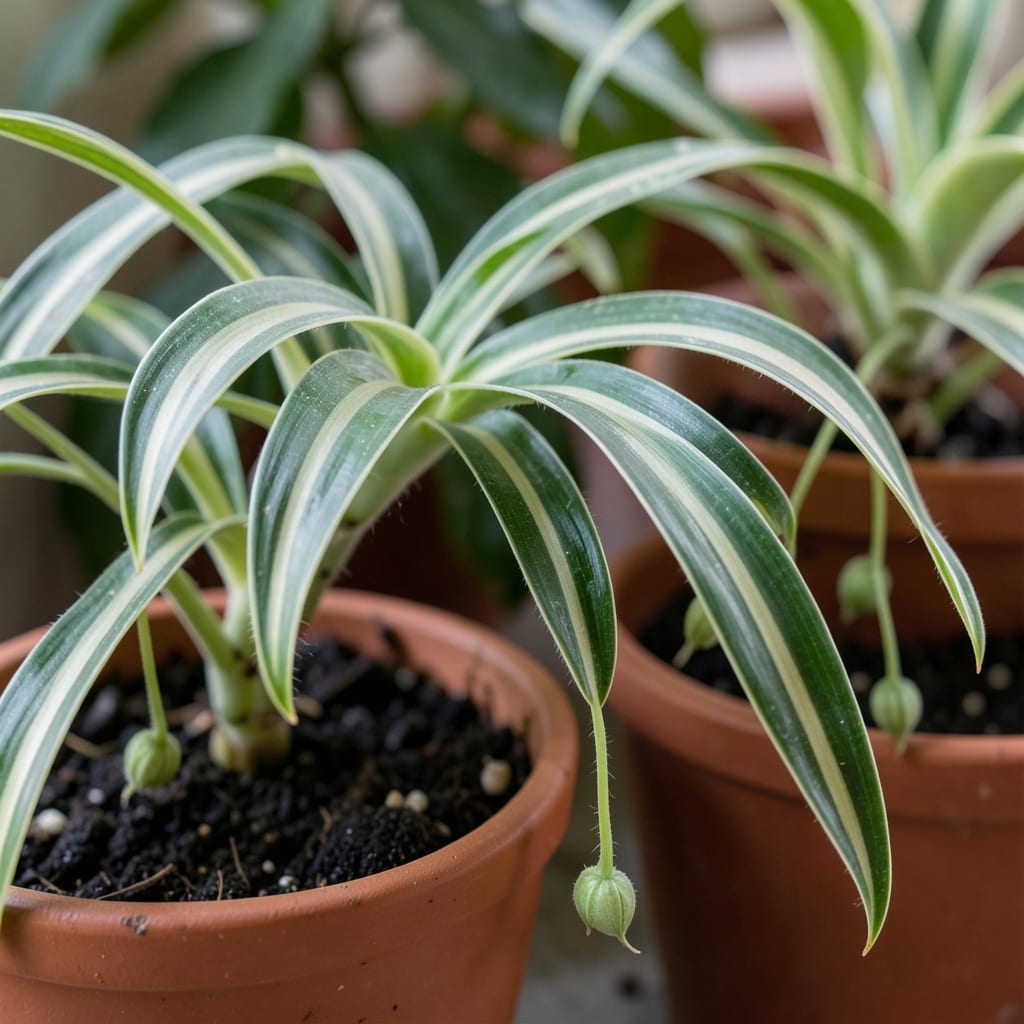
If your 🕷️ Spider Plant is struggling indoors, the answer to how much light does a spider plant need indoors might be simpler than you think—it’s all about finding the right balance. Too little, and you’ll see weak, leggy growth; too much, and those pretty leaves start turning crispy at the edges. The ideal balance isn’t just about survival—it’s what transforms your plant into a thriving, vibrant centerpiece.
Most people assume Spider Plants are low-maintenance, but bright indirect light is actually the game-changer for their health. That means placing them near east or north-facing windows where sunlight filters gently through curtains. Think of it like Goldilocks—you want the spot that’s just right, not too harsh or too dim.
What happens when you get it wrong? Yellowing leaves or brown tips are classic red flags, but don’t worry—we’ll show you exactly how to fix those. Whether you’re dealing with a dim corner or a sun-soaked windowsill, this guide will help you spot the perfect light conditions for your plant’s needs.
Ready to give your Spider Plant the care it deserves? Let’s break down the science behind its light requirements and share practical tips to keep those leaves lush year-round. Your plant’s happiness starts with understanding its light love language.

Spider plant light requirements: the perfect balance for indoor growth
Spider Plants (Chlorophytum comosum) thrive in bright indirect light, which mimics their natural habitat under the dappled shade of trees. This means they need plenty of natural light, but not the harsh, direct rays that can scorch their leaves. Think of it like the perfect reading spot by a window—enough light to see clearly, but not so intense that it strains your eyes.
The ideal light conditions for a Spider Plant fall between 4-6 hours of indirect sunlight per day. This range allows them to perform photosynthesis efficiently without overheating. Too little light leads to weak, stretched-out growth, while too much direct sun causes leaf burn and crispy edges. Finding that sweet spot is key to keeping your plant lush and vibrant.
Here’s the science behind it: Spider Plants have chlorophyll in their leaves that absorbs light energy, but they also produce anthocyanins (the pigments that give them their variegated stripes). These pigments need gentle, filtered light to develop properly. When light is too harsh, the plant’s natural protective mechanisms kick in, causing those unsightly brown tips.
Now, let’s talk about what bright indirect light actually looks like in your home. This typically means placing your Spider Plant 2-3 feet away from an east or north-facing window. East-facing windows provide gentle morning sunlight, while north-facing windows offer consistent light throughout the day without the intensity of southern exposure.
If you’re unsure whether your plant is getting enough light, check for these visual cues: healthy green leaves with white stripes mean it’s happy, while leggy growth with sparse leaves signals it needs more light. Conversely, yellow or brown leaf tips are signs of too much direct sun or low humidity.
🌱
Understanding your home’s light dynamics is crucial. For example, a south-facing window can be too intense, even with sheer curtains, while a west-facing window might provide too much afternoon heat. If you’re in a dimly lit room, consider supplementing with a LED grow light (look for one with a full spectrum of 4000-6500K). These lights mimic natural sunlight and can help bridge the gap during winter months when daylight is scarce.
Pro tip: Rotate your Spider Plant quarter-turn every 2-3 weeks to ensure even growth. Plants naturally lean toward light sources, so this simple habit keeps them balanced and encourages fuller foliage. You’ll notice a difference in just a few weeks—your plant will start looking bushier and more symmetrical.
In the next section, we’ll dive into the best indoor locations by room type, so you can place your Spider Plant exactly where it will thrive. Whether you’re in a sun-drenched kitchen or a cozy living room, we’ve got the perfect spot for you.
☀️
Best indoor locations for Spider Plants by room type
Finding the perfect spot for your 🕷️ Spider Plant depends on your home’s natural light layout. East-facing windows offer gentle morning sunlight, ideal for consistent growth without harsh afternoon rays. North-facing windows provide soft, even light throughout the day, perfect for plants that prefer indirect brightness. Meanwhile, west-facing windows can deliver strong afternoon warmth, which may require filtering through sheer curtains to prevent leaf burn.
If your home lacks ideal windows, don’t worry—artificial lighting can save the day. LED grow lights or fluorescent bulbs (like full-spectrum CFLs) placed 6-12 inches above your plant can mimic natural light. For example, a kitchen counter near an east window works great, while a living room with a north window can be a stylish display spot. Even a bathroom with indirect light can work if you supplement with a small grow light during winter months.
Here’s how different rooms stack up for Spider Plant success:
Pro tip: Rotate your Spider Plant quarter-turns every 2 weeks to ensure even growth, especially if placed near a single window. This prevents one side from stretching toward the light while the other stays weak. For renters or small spaces, a south-facing window with a sheer curtain can work—just keep the plant at least 5 feet away to avoid leaf scorch.
Even in low-light apartments, a Spider Plant can thrive with a 12-hour daily light cycle from a grow bulb. Place it on a dresser or shelf near a north-facing window, and supplement with 2-3 hours of artificial light in the evening if needed. The key is consistency—your plant will reward you with bold variegation and vigorous offsets when its light needs are met.
🌱