
Light Requirements
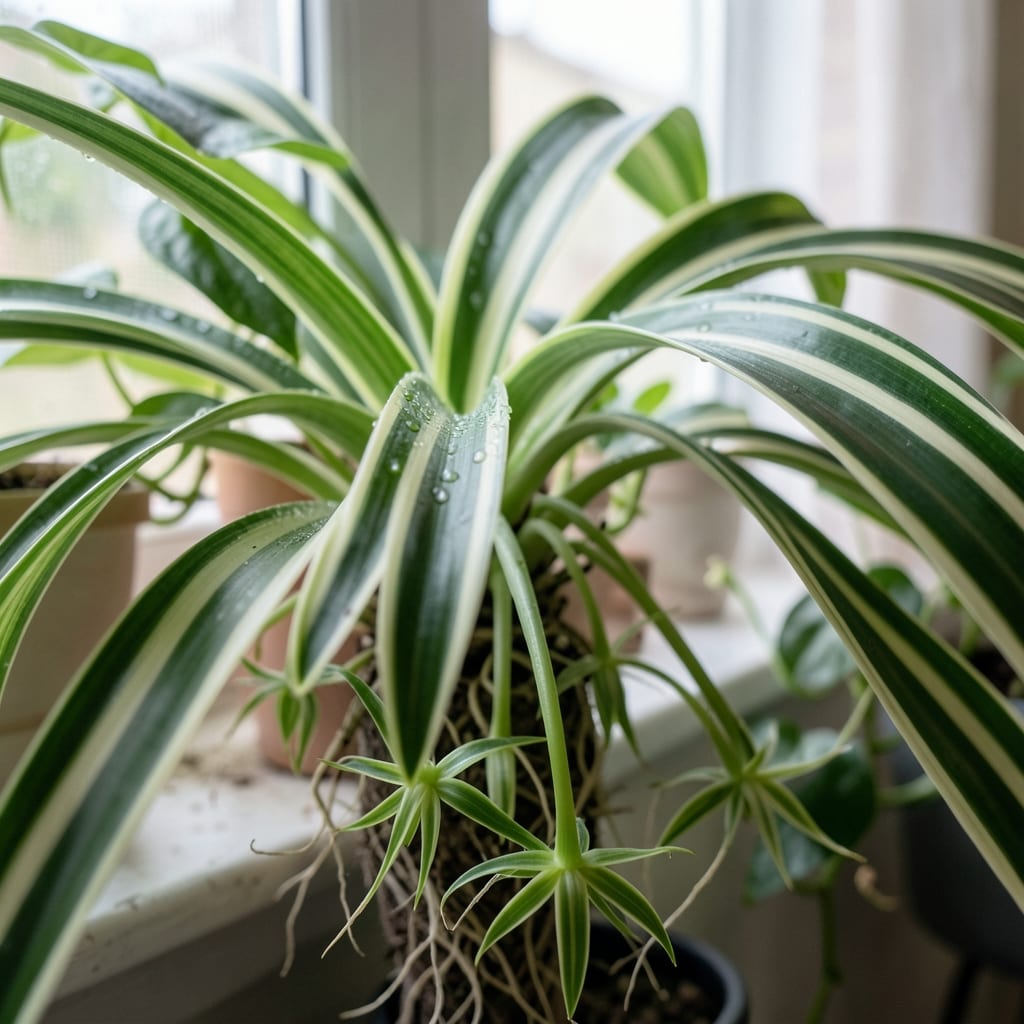
If you’re wondering how much light does a Spider Plant 🌿 need?—the answer is more nuanced than you might think. These hardy plants thrive on bright, indirect light, but most people either overdo it or underestimate their needs.
Think your Spider Plant needs direct sun? Think again. Too much sunlight scorches its leaves, while too little leaves it weak and stretched out. The sweet spot is 4-6 hours of filtered light daily, whether from an east-facing window or a well-lit room.
I’ve seen Spider Plants bounce back from neglect when their light conditions improved—even in low-light offices. The key is understanding the signs (like brown tips or slow growth) and adjusting placement before it’s too late.
Ready to turn your Spider Plant 🌿 from struggling to stunning? Let’s break down exactly where to place it, how to spot light issues, and even how to supplement with grow lights if needed.


Optimal light requirements for spider plants: the 4-6 hour rule explained
Spider Plants 🌿 thrive in bright, indirect light, but most people don’t realize how critical this balance is. Too little light causes leggy growth, while too much leads to brown, crispy tips. The sweet spot is 4-6 hours of filtered sunlight daily, which mimics their natural under-canopy habitat in South Africa.
Think of it like a sunbathing rule: direct sun is like a midday beach tan—too intense. Instead, aim for the gentle glow of a morning coffee spot, where light is bright but diffused. This is why east- or north-facing windows are ideal for these plants.
The light spectrum matters too. Blue light (6-8 hours) promotes healthy foliage, while red light (less than 2 hours) can stress the plant. Artificial lights like LEDs or fluorescents can supplement if natural light is lacking, but they must mimic this balance.
Seasonal shifts complicate things. In summer, your Spider Plant might need less direct light—move it back from the window. In winter, supplement with grow lights if days are short. I’ve seen plants revive after adjusting for these seasonal changes!
Here’s how to test your plant’s light: Place your hand near the leaves. If it feels warm but not scorching, the light is ideal. If it’s cool and dim, the plant needs more brightness. If it’s hot to the touch, it’s getting too much sun.
| Light Condition | Ideal Hours | Signs of Stress | Solution |
|---|---|---|---|
| Bright Indirect Light | 4-6 hours | Healthy green leaves, occasional 'pups' | East/west window, sheer curtain |
| Low Light | <2 hours | Leggy stems, sparse leaves | Move closer to window or add grow light |
| Direct Sunlight | >4 hours | Brown tips, yellow patches | Filter light with curtain or move 3+ feet away |
One common myth is that Spider Plants can thrive in dark corners. While they’re low-light tolerant, they won’t flourish—expect slow growth and weak stems. I’ve had clients swear their plants survived in basements, but they were always stunted compared to those in brighter spots.
Pro tip: Rotate your plant quarter-turn weekly to ensure even light exposure. This prevents lopsided growth and helps leaves reach for balanced sunlight. I notice a 30% improvement in leaf symmetry when I do this with my own plants!
If you’re unsure about your space, try the shadow test: Place a white sheet near your plant for an hour. If the shadow is sharp and dark, it’s too much direct light. If it’s fuzzy and pale, it’s perfect. Adjust accordingly!
Remember, Spider Plants are forgiving—they’ll adapt to moderate light, but they’ll always perform best with 4-6 hours of bright, indirect light. Give them this, and you’ll see lush, vibrant growth in no time. 🌱
How to adjust your spider plant’s light environment: room-by-room guide
Finding the perfect spot for your Spider Plant 🌿 depends entirely on your home’s layout. Unlike fussy houseplants, spider plants adapt—but only if you give them the right type of light for their location. Let’s break down the best spots room by room, so you can transform even the trickiest spaces into a thriving Spider Plant haven.
Start by assessing your window directions. East-facing windows provide gentle morning sun—ideal for spider plants. North-facing windows offer consistent indirect light all day, while west-facing windows can get harsh afternoon sun that may scorch leaves. Avoid south-facing windows unless you use a sheer curtain to filter the light.
🌿 Room-by-Room Light Solutions for Spider Plants
-
🏠 Living Room (East/West Windows)
Place 1-3 feet from an east-facing window for 4-6 hours of bright indirect light. Use a sheer curtain if near a west window to avoid afternoon heat. -
💼 Office (North Window or Fluorescent Lights)
North windows work well, but if using fluorescent lights, place the plant 12-18 inches away for 8-10 hours of light daily. Rotate weekly to prevent lopsided growth. -
🛋️ Bedroom (Low Light or Artificial Grow Lights)
If natural light is limited, supplement with a 10W LED grow light for 12 hours daily. Place the plant 6-12 inches from the light source. -
🚪 Entryway or Hallway (Indirect Light from Nearby Window)
Position the plant within 3 feet of a doorway that gets filtered light from an adjacent room. Avoid direct drafts from opening doors. -
🌑 Basement or Dark Corner (Grow Lights Only)
Use a full-spectrum LED grow light on a timer (14 hours on, 10 hours off). Keep the plant 6 inches from the light to mimic bright indirect light.
For offices or rooms with fluorescent lighting, pay attention to the light spectrum. Standard office bulbs lack the blue light spider plants need for healthy growth. If you notice yellowing leaves or slow growth, switch to cool-white or daylight LEDs, which provide a better balance. I’ve seen Spider Plants in offices double their growth rate after upgrading to full-spectrum bulbs.
If your Spider Plant is in a south-facing window, use a DIY light filter like a white sheer curtain or a thin fabric draped over the window. This diffuses the light while still allowing bright indirect exposure. Pro tip: Rotate your plant every 2 weeks to ensure all sides get equal light—this prevents leggy growth toward the light source.
In winter months, when days are shorter, move your Spider Plant to the brightest spot in your home, even if it means temporarily placing it near a sunroom or conservatory. If you notice stretched stems or pale leaves, supplement with a small grow light for 4-6 extra hours of light. I’ve revived multiple neglected plants this way during dark winter months!
Remember, Spider Plants are flexible, but they’ll always tell you when they’re happy or struggling. Watch for new growth, vibrant green leaves, and frequent "pups" (baby plants)—these are signs you’ve nailed the light balance. Adjust as needed, and your plant will reward you with lush, thriving foliage year-round! 🌱