
Companion Plants
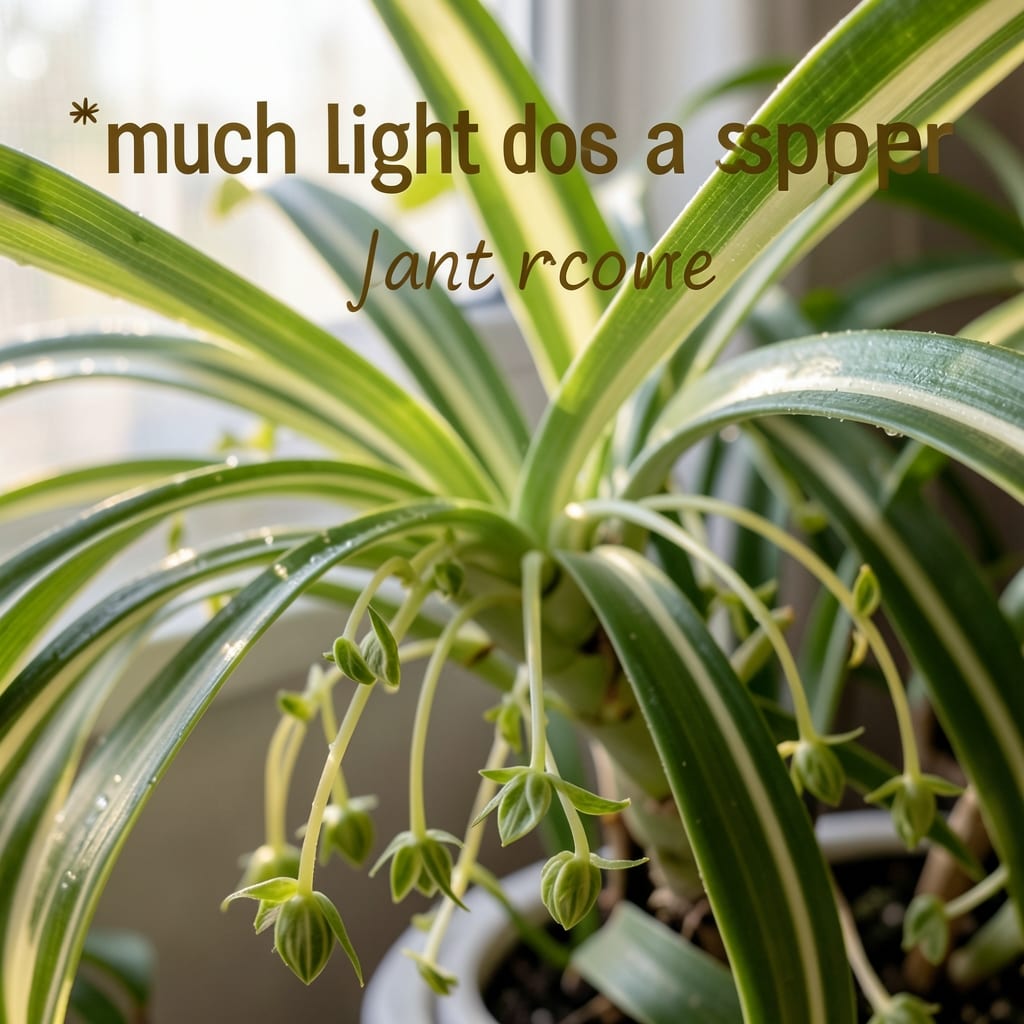
Ideal light conditions for spider plants: bright indirect sunlight explained
Spider plants (Chlorophytum comosum) thrive in bright indirect sunlight, making them perfect for most indoor spaces. Unlike sun-loving plants, they hate direct sun, which can burn their leaves and turn them crispy. The key is finding that sweet spot where they get enough light to stay vibrant but not so much that they wilt or scorch.
Think of your spider plant’s ideal spot as getting morning sun with afternoon shade—like a gentle breeze on a sunny day. This mimics their natural habitat under the dappled light of forest understories. A north-facing or east-facing window is usually ideal, as these provide soft, filtered light without the harsh afternoon rays.
If you place your spider plant near a south-facing window, you’ll need to use a sheer curtain to diffuse the light. Direct southern sun can cause brown patches or yellowing leaves, which are clear signs of light stress. Even a few hours of direct sun can be too much, so always keep an eye on how your plant reacts.
Here’s a quick breakdown of what your spider plant needs:
| Light Condition | Description | Signs of Issue |
|---|---|---|
| Bright Indirect Light | East or north window, 1-3 feet away. Morning sun + afternoon shade. | Healthy green leaves, slow but steady growth. |
| Low Light | Far from windows, dim corners. Less than 4 hours of indirect light. | Pale, leggy growth, sparse foliage, slow growth. |
| Direct Sunlight | South or west window without filter. More than 2 hours of direct rays. | Brown crispy edges, yellow patches, wilted leaves. |
Your spider plant can adapt to low-light conditions, but it won’t grow as robustly. If you notice long, thin leaves or bare stems, it’s a sign your plant is stretching toward the light. In this case, move it closer to a window or supplement with a grow light for 6-8 hours a day.
On the flip side, if you see brown tips or bleached patches, your plant is getting too much direct sun. The edges of the leaves will start to dry out and crisp, almost like they’ve been sunburned. To fix this, move it further from the window or add a light filter like a sheer curtain.
Pro tip: Spider plants are forgiving and can recover from light mishaps if caught early. If you’ve overdone it with sunlight, trim the damaged leaves and move your plant to a shadier spot for a few weeks. With time, it’ll bounce back and start growing healthy new foliage.
For the best results, rotate your spider plant every 2-4 weeks. This ensures all sides get equal light exposure, preventing it from leaning toward one direction. A well-placed spider plant in bright indirect light will reward you with lush green leaves and those adorable spiderettes (baby plants) hanging from its stems.
Remember, spider plants are low-maintenance champions of indoor gardening. As long as you give them the right amount of light—bright but indirect—they’ll thrive and bring a touch of jungle charm to your home.
How to adjust light for spider plants in different rooms
Adjusting light for your spider plant depends entirely on where it lives in your home. If your plant is in a dim corner or far from windows, it’s likely stretching toward the light, a sign of low-light stress. On the other hand, a plant near a south-facing window might be getting too much direct sun, causing brown tips or bleached patches. The good news? With a few simple tweaks, you can create the perfect bright indirect light environment for your spider plant, no matter the room.
Start by assessing your space. If your spider plant is in a north-facing room, it’s already in a great spot—just move it 1-3 feet from the window for optimal light. For east-facing rooms, morning sun is gentle and ideal, but watch for afternoon shadows that might reduce light levels. In west-facing rooms, use a sheer curtain to filter the harsh afternoon sun, which can overpower your plant.
Here’s how to fine-tune light for different scenarios:
🌱 Low-Light Rooms (Dim Corners, Basements)
- Move your spider plant closer to the nearest window—even a north-facing one will help.
- If no natural light is available, use a grow light (LED or fluorescent) for 6-8 hours daily.
- Rotate the plant every 2-4 weeks to prevent leaning toward the light source.
- Fertilize lightly in spring and summer to encourage growth in low-light conditions.
☀️ High-Light Rooms (South/West Windows)
- Place your spider plant 3-5 feet from the window to reduce direct sunlight exposure.
- Use a sheer or white curtain to diffuse harsh light without blocking all sunlight.
- If brown tips appear, trim damaged leaves and move the plant further away.
- Avoid placing it in direct afternoon sun, which is the most intense.
🌿 Seasonal Adjustments (Summer vs. Winter)
- In summer, move your plant further from windows to avoid overheating.
- In winter, bring it closer to a south-facing window for extra light.
- If your home has strong afternoon sun, use a reflective surface (like a mirror) to bounce light indirectly onto the plant.
- Monitor your plant’s growth rate—if it slows in winter, it’s likely not getting enough light.
Don’t forget that spider plants are adaptable, so they can handle slight changes in light over time. If you’ve recently moved your plant to a new spot, give it 1-2 weeks to adjust before expecting dramatic changes. Watch for new growth patterns—healthier leaves and more spiderettes mean you’ve got the light just right!
For extra peace of mind, consider using a light meter (or a free app) to measure light levels in your space. Aim for 1,000-2,500 foot-candles of indirect light—this range keeps your spider plant happy without risking light burn. With these adjustments, your spider plant will thrive in almost any room, turning even the dimmest corner into a green oasis.
Pro tip: If you’re unsure about your plant’s light needs, observe its leaves. A happy spider plant has bright green, arching leaves with a slight variegation. If you see yellowing, brown edges, or stretched-out growth, it’s time to tweak its light setup. Your plant will thank you with vibrant new growth in no time!