
Light Requirements
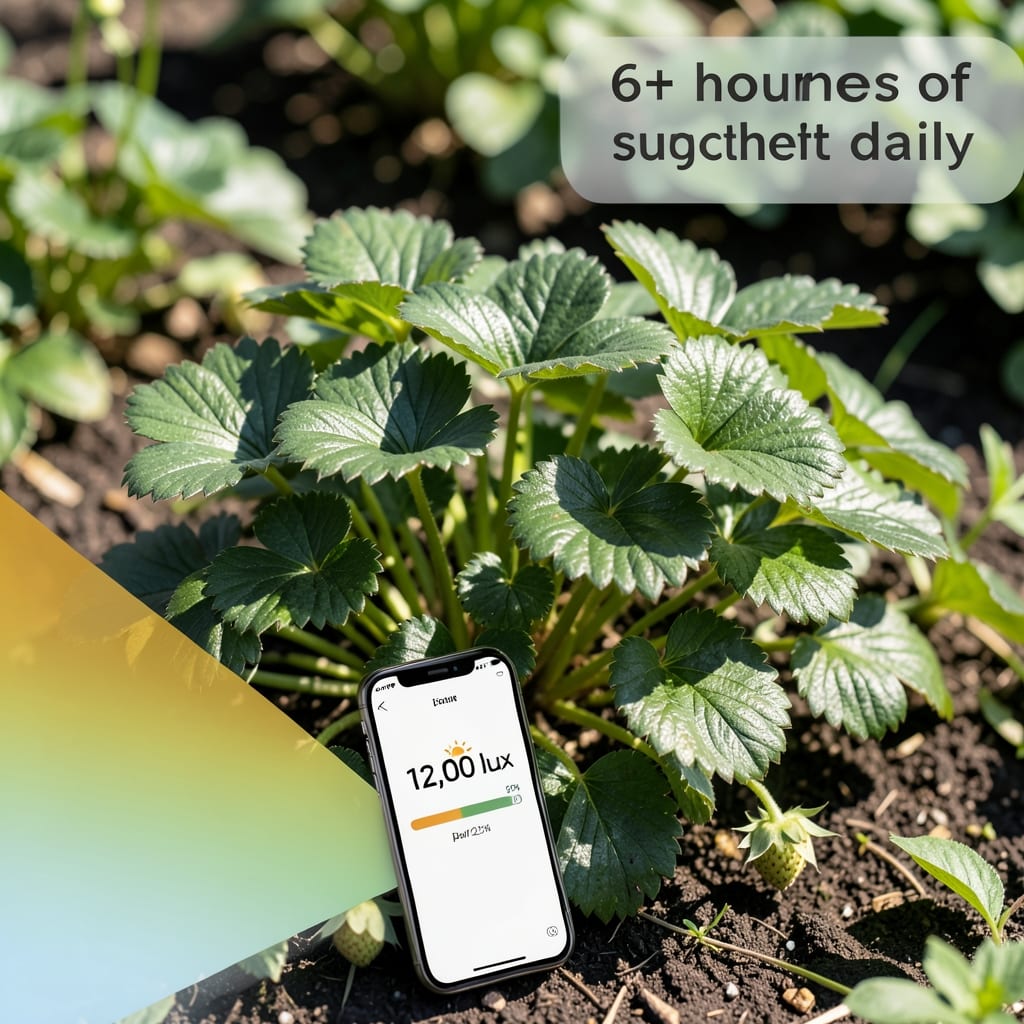
Strawberry sunlight requirements by variety: full sun vs. partial shade needs
Strawberries are sun worshippers, but not all varieties crave the same amount of light. June-bearing types demand 6-10 hours of full sun daily for maximum fruit production, while everbearing and day-neutral varieties tolerate 4-6 hours of sunlight in partial shade. The difference? Fewer sunlight hours mean smaller berries and fewer harvests—but never less than 4 hours or you’ll risk poor growth.
Most gardeners assume more sun = better fruit, but in hot climates, afternoon shade prevents sunburn and improves flavor. Dwarf varieties like 'Albion' thrive with 5-6 hours of morning sun and afternoon shade, while standard-size types like 'Chandler' need 8+ hours to produce large, sweet berries.
Here’s the catch: Light deficiency shows up fast. Yellowing leaves, sparse runners, and small, bland berries are red flags. Even 6 hours of sun can be too little for June-bearing types, leading to blind runners (runners without flowers).
Before we dive into varieties, test your garden’s light: Use a sunlight tracker app or place a white board in your plot for a week. Mark the sunniest spots—these are prime for June-bearing strawberries, while partial shade areas suit everbearing types.
| Variety Type | Ideal Sunlight Hours | Best For | Light Deficiency Signs |
|---|---|---|---|
| June-Bearing | 6–10 hours (full sun) | Large berries, one harvest | Yellow leaves, blind runners |
| Everbearing | 4–6 hours (partial shade) | Two harvests, smaller berries | Slow growth, few flowers |
| Day-Neutral | 5–7 hours (flexible) | Continuous harvests, urban gardens | Pale leaves, weak stems |
June-bearing strawberries like 'Jewel' or 'Seascape' are the high-maintenance divas of the strawberry world. Plant them in south-facing beds where they’ll get uninterrupted morning sun and light afternoon shade in hot zones (USDA 8+). Everbearing types like 'Ozark Beauty' adapt better to dappled shade under fruit trees or near tall perennials.
For container growing, prioritize south- or west-facing windows or use reflective surfaces (like white walls) to bounce extra light onto pots. Day-neutral varieties like 'Albion' or 'Tristar' are your best bet here—they’ll produce fruit even with only 5 hours of light, though berries may be smaller.
Pro tip: Rotate containers every few days to ensure even light exposure. Shade cloth (30-50%) can save June-bearing plants from midday sunburn in summer, but remove it by late afternoon to maximize photosynthesis for fruit development.
If your strawberries are struggling despite full sun, check the soil temperature. Strawberries need soil above 60°F (15°C) to thrive—cooler temps slow growth, even with plenty of light. Mulch with straw to warm the soil faster in spring.
Remember: Light quality matters too. Direct sunlight (not filtered through leaves) is best for photosynthesis. If your garden has dense tree shade, consider removing nearby branches or planting strawberries in raised beds for better light penetration.
How to adjust light for strawberries in different climates and garden setups
Not all gardens get the perfect 6-10 hours of sunlight strawberries crave. If your space gets less than 4 hours of direct light, don’t panic—there are smart ways to adapt. For example, everbearing varieties like 'Albion' tolerate partial shade better than June-bearers, making them ideal for woodland gardens or urban balconies with morning sun.
In hot climates (Zones 8-10), afternoon shade is a lifesaver. Use lightweight shade cloth (30-50% coverage) to protect leaves from scorching while still allowing dappled sunlight. This mimics the natural shade strawberries get under taller plants in their native habitats.
For container growing, choose dwarf varieties like 'Seascape' and place pots on reflective surfaces—like white gravel or a light-colored deck—to bounce extra light onto leaves. Rotate containers weekly so all sides get even exposure, preventing leggy, weak growth.
Greenhouses or indoor growing? Supplement with grow lights (LED or fluorescent) for 12-14 hours daily. Position lights 6-12 inches above plants and adjust height as they grow. Day-neutral varieties like 'Ozark Beauty' handle indoor conditions best because they fruit regardless of daylight length.
In shady microclimates (e.g., under fruit trees), prioritize vertical gardening. Use trellises or hanging baskets to elevate plants so they catch filtered light from above. Mulch heavily with straw or wood chips to keep roots cool and conserve moisture.
🌱 Pro Tip: Test your garden’s light with a sunlight tracker (free apps like Sun Surveyor) for a week. Note which areas get direct vs. partial sun—this helps you map the best spots for strawberries.
- 1 Reflective surfaces: Use white paint or gravel to bounce light onto shaded areas.
- 2 Lightweight shade cloth: 30-50% coverage for hot afternoons (prevents sunburn).
- 3 Grow lights: LED or fluorescent for 12-14 hours/day in indoor setups.
- 4 Vertical trellises: Elevate plants to catch filtered light in shady spots.
- 5 Dwarf varieties: 'Seascape' or 'Albion' thrive in partial shade better than standard types.
Remember, even 4 hours of sunlight can work if you choose the right variety and optimize your setup. The key is consistency—strawberries hate sudden light changes, so avoid moving pots frequently. With these adjustments, you’ll still get sweet, plump berries even in less-than-ideal light!