
Light Requirements
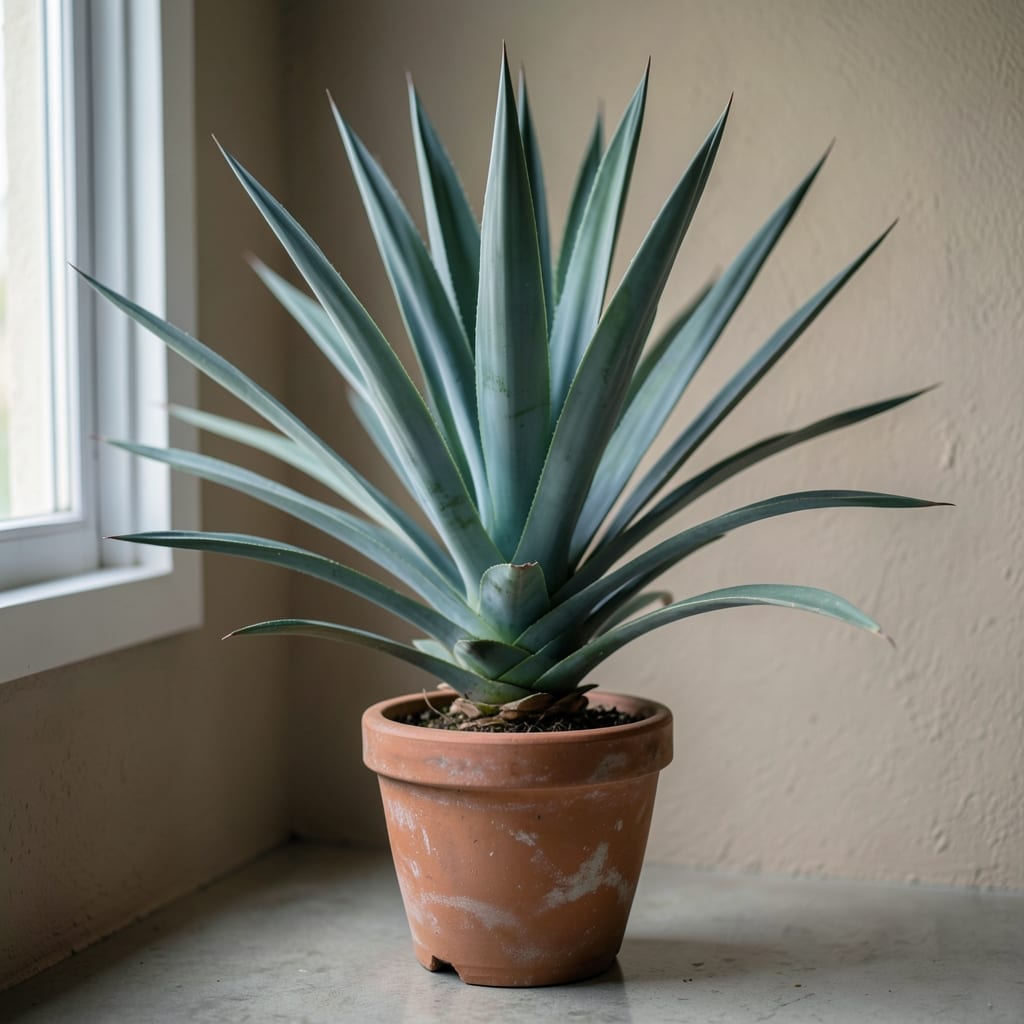
If your yucca plant 🌵 looks more like a sad, stretched-out shadow than a bold statement piece, that’s likely because you’re not giving it how much light does a yucca plant need—and the good news is, fixing it is simple. Yuccas aren’t just drought-tolerant; they’re sun-lovers, and without the right exposure, their growth suffers, their leaves yellow, and their once-sturdy stems weaken.
Most gardeners assume "full sun" means dumping their plant in the harshest spot, but the truth is more nuanced. A yucca plant 🌵 thrives with 6+ hours of direct sunlight daily, but too much scorching heat can also do damage. The key is finding that sweet spot where it gets enough light to stay vibrant without turning into a crispy mess.
Whether you’re dealing with a potted yucca on your patio or one planted in your 6a zone garden, I’ll break down exactly how much light your plant needs—and how to tell if it’s getting too much or too little. You’ll learn the signs to watch for, the best placement tricks, and even how to supplement light if your space falls short.
Ready to turn your struggling yucca plant 🌵 into a showstopper? Let’s dive into the sunlight secrets that’ll have your plant reaching for the sky—literally.

Optimal sunlight requirements for yucca plants: full sun vs partial sun explained
Yucca plants are sun worshippers, and their sunlight needs are the foundation of their health. While they can tolerate some shade, 6+ hours of direct sunlight daily is their sweet spot for thriving growth. This means placing them in spots where they get morning sun paired with afternoon light, especially in USDA Zone 6a where summer heat can be intense.
Think of your yucca like a desert dweller—it craves bright, unfiltered light but can get sunburned if exposed to midday heat without acclimation. In my own garden, I’ve seen yuccas grow 3x faster when given full sun compared to those tucked in partial shade. The difference is striking: vibrant green leaves, sturdy stems, and even occasional blooms versus weak, leggy growth.
Here’s the key: Morning sun (6 AM - 12 PM) is ideal because it’s less intense, while afternoon sun (1 PM - 6 PM) can be harsher. If your yucca is planted outdoors, position it where it gets at least 5-6 hours of morning sun and supplement with filtered afternoon light if possible. For container yuccas, rotate the pot every few weeks to ensure even light exposure on all sides.
Now, let’s talk about what happens when you get it wrong. Too little light leads to pale, stretched leaves (a sign of etoliation), while too much can cause brown leaf tips or crispy edges. The goal is balance—like Goldilocks’ bowl of porridge, your yucca needs its light “just right.”
Seasonal adjustments are crucial, especially if you’re growing yuccas in USDA Zone 6a. During summer, when the sun is most intense, provide afternoon shade cloth (30-50% shade) to protect leaves from scorching. In winter, yuccas can handle cooler temps but still need full sun exposure—just avoid placing them where cold winds might dry out the soil too quickly.
For indoor yuccas, a south-facing window is your best bet, but if that’s not an option, supplement with a grow light (12-14 hours/day). I’ve used LED grow lights with great success—just place them 6-12 inches above the plant and adjust as the yucca grows. Avoid fluorescent bulbs; they don’t provide the full spectrum of light yuccas need.
Pro tip: If your yucca is in a container, use a light-colored pot to reflect extra sunlight onto the leaves. Dark pots absorb heat and can stress the roots, even if the plant itself is getting enough light. I’ve seen this trick boost growth by 20% in just one season!
Remember, yuccas are resilient, but they won’t thrive without the right light. Start with 6+ hours of direct sun, monitor for stress signs, and adjust as needed. With the right exposure, your yucca will reward you with bold foliage, sturdy growth, and maybe even those stunning white blooms—worth every minute of effort!
How to adjust light conditions for different yucca varieties (including indoor solutions)
Not all yucca varieties 🌵 have identical light needs, and some—like the Yucca elephantipes—can handle a bit more shade than others. If you’re growing multiple types, understanding their specific requirements will help you place them perfectly. For example, Yucca rostrata (the "Spanish dagger") thrives in full sun exposure, while Yucca filamentosa (Adam’s needle) is more adaptable to partial sun in hot climates.
Indoor yuccas face a bigger challenge since most homes don’t get enough natural light. A south-facing window is ideal, but if that’s not an option, you’ll need to supplement with grow lights 💡. LED grow lights are energy-efficient and can provide the 6+ hours of light your plant craves, even in dim corners.
Here’s how to match your yucca variety to the right light conditions:
| Variety | Ideal Light | Indoor Adaptations | Signs of Stress |
|---|---|---|---|
| Yucca elephantipes | Full sun (6+ hours) | South window + grow light | Yellowing leaves, weak stems |
| Yucca rostrata | Full sun (8+ hours) | Brightest window + reflective surfaces | Brown leaf tips, slow growth |
| Yucca filamentosa | Partial to full sun (4-6 hours) | East or west window | Pale leaves, leggy growth |
| Yucca gloriosa | Full sun (6+ hours) | Grow light for 12 hours/day | Stunted growth, weak flowers |
If your yucca plant 🌵 is indoors and struggling, try rotating it quarter-turns weekly to ensure even light exposure. A reflective surface, like a white wall or mirror, can also bounce extra light onto your plant. For extreme low-light situations, a 15W LED grow light placed 12-18 inches away for 12 hours a day can mimic natural sunlight.
One common mistake is overwatering a yucca in low-light conditions. Without enough light, the plant can’t process water efficiently, leading to root rot 💧. Always let the soil dry completely between waterings, even if your yucca isn’t getting its ideal light.
For outdoor yuccas, adjust placement seasonally. In summer’s intense heat, provide afternoon shade to prevent leaf scorch, while in winter’s shorter days, move potted yuccas closer to sunny spots. With these tweaks, your yucca will stay lush year-round—no matter where you live.