
Plants
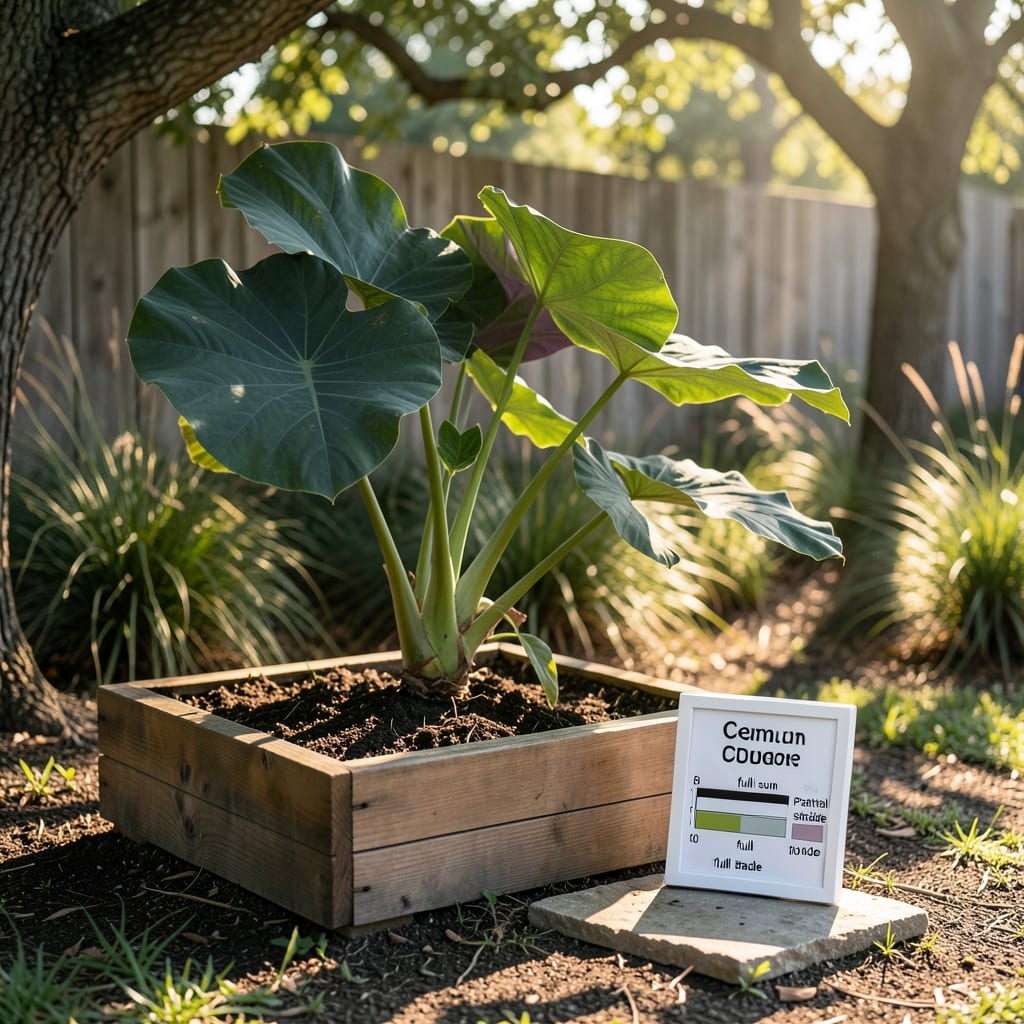
If you’re wondering how much light does an elephant ear plant need, the answer lies in striking the perfect balance between sun and shade. These tropical beauties thrive in just the right mix of light, and getting it wrong can mean the difference between vibrant foliage and a sad, struggling plant.
Most gardeners assume more sunlight is always better, but elephant ears actually prefer partial shade—especially in hotter climates like USDA Zone 6a. Too much direct sun can scorch their broad leaves, while too little leaves them weak and leggy. The key is finding that sweet spot where they get enough light to grow but stay protected from harsh rays.
In this guide, I’ll break down exactly how much light your elephant ear 🌿 needs, whether you’re growing it in your garden or indoors. You’ll learn how to spot signs of over- or under-lighting and how to adjust your setup for lush, healthy growth—no guesswork required.
Ready to transform your plant’s appearance? Let’s dive into the perfect lighting conditions to keep your elephant ear thriving all season long.


Ideal sunlight requirements for elephant ear plants by variety
Elephant ear plants—scientifically known as Colocasia—come in stunning varieties, each with slightly different light requirements. While most prefer partial shade, some can handle more sun, especially in cooler climates. Understanding these nuances is key to keeping your plant’s leaves vibrant and healthy.
For Colocasia varieties like 'Black Stem' or 'Pink Frost,' aim for 4-6 hours of morning sun followed by afternoon shade. These types love bright, indirect light but can scorch in intense afternoon rays. In contrast, Alocasia (like 'Polly' or 'Dragon Scale') tolerates slightly more shade, thriving in 2-4 hours of filtered light daily.
If you're growing Xanthosoma varieties (like 'Caribbean Moon'), they’re more sun-tolerant, handling up to 6 hours of direct sun in humid climates. However, even these need afternoon shade in hot, dry areas to prevent leaf burn. Always observe your plant’s response—leaf color is your best indicator!
🌿
| Variety | Light Needs | Leaf Color Impact | Best For |
|---|---|---|---|
| Colocasia 'Black Stem' | 4-6 hrs morning sun | Deep purple-black | Containers, borders |
| Alocasia 'Polly' | 2-4 hrs filtered light | Silver-green | Indoor plants |
| Xanthosoma 'Caribbean Moon' | Up to 6 hrs sun (humid climates) | Chartreuse with pink | Tropical gardens |
| Colocasia 'Pink Frost' | 3-5 hrs bright indirect | Pink-edged leaves | Shady garden spots |
In USDA Zone 6a, where summers can be intense, I recommend placing your elephant ear under dappled shade from trees or a sheer curtain. This mimics their native tropical understory habitat, where they avoid harsh overhead sun. For container growers, rotate pots weekly to ensure even light exposure on all sides.
If you notice yellowing leaves or crispy edges, your plant is getting too much sun. Move it to a spot with less direct light immediately. Conversely, if leaves appear pale and stretched, it’s begging for more brightness—just avoid harsh afternoon rays. A simple trick? Use a light meter app to track lux levels; ideal range is 10,000-20,000 lux for partial shade.
For indoor growers, position your plant near an east-facing window for gentle morning light. If natural light is limited, supplement with a grow light (12-14 hours/day) to prevent leggy growth. LED bulbs with a 5000K color temperature mimic natural sunlight perfectly.
Pro tip: Mulch around the base with organic matter to retain moisture and regulate soil temperature. This helps shade-sensitive varieties like 'Black Beauty' maintain their rich foliage color even in hot afternoons. 🌱
Signs your elephant ear isn’t getting enough (or too much) light
Your elephant ear plant speaks volumes through its leaves—literally. When light conditions are off, it sends clear signals like yellowing foliage, brown edges, or stretched stems. These aren’t just cosmetic issues; they’re cries for help. Learning to read these signs early can save your plant from irreversible damage and restore its lush, tropical beauty in weeks.
First, let’s tackle the too-much-sun symptoms. If your plant’s leaves develop crispy brown edges or bleached white patches, it’s a classic sign of sunburn. This often happens when afternoon sun hits leaves unprotected. Even varieties like Xanthosoma can’t handle prolonged direct rays without shade. The good news? Moving your plant to dappled shade or providing a sheer curtain can reverse this within 7-10 days.
🌿
✅ TOO LITTLE LIGHT
- Pale leaves (loses color)
- Leggy growth (stems stretch)
- Small leaves (underdeveloped)
💡 Fix: Move to brighter spot (east window) or add grow light.
❌ TOO MUCH LIGHT
- Brown crispy edges (sunburn)
- White/yellow patches (bleaching)
- Wilted appearance (heat stress)
💡 Fix: Provide afternoon shade or filter sunlight.
On the flip side, underlighting causes equally dramatic problems. If your elephant ear develops pale, weak leaves or long, spindly stems, it’s stretching toward any available light—a classic sign of etiolation. This happens when plants don’t get enough bright indirect light (10,000-20,000 lux). The solution? Gradually increase light exposure over 3-5 days to avoid shocking the plant. For indoor growers, a south-facing window or grow light 6 inches above the plant works wonders.
Here’s a pro tip: Rotate your plant weekly to ensure even growth. I’ve seen many gardeners make the mistake of leaving containers in one spot, causing one side to become leggy while the other stays compact. A simple 180-degree turn every 7 days keeps your plant balanced and prevents light stress. Pair this with regular pruning of leggy stems to encourage bushier growth.
For outdoor plants in USDA Zone 6a, watch for seasonal changes. In summer, when sunlight is most intense, provide afternoon shade using a shade cloth (30-50% coverage). In winter, when days shorten, move containers to sheltered spots like porches or under eaves to catch reflected light. These small adjustments can make the difference between a thriving specimen and a struggling one.
One final clue: leaf color. Healthy elephant ears should display their true variety colors—deep purples, vibrant pinks, or rich greens. If colors fade or turn dull, it’s a red flag. I once had a 'Black Stem' variety that lost its dramatic purple hues after moving it to a north-facing window. Within two weeks of relocating it to an east-facing spot, the colors returned in full force. Your plant’s color is its way of thanking you for the right light!