
Plants
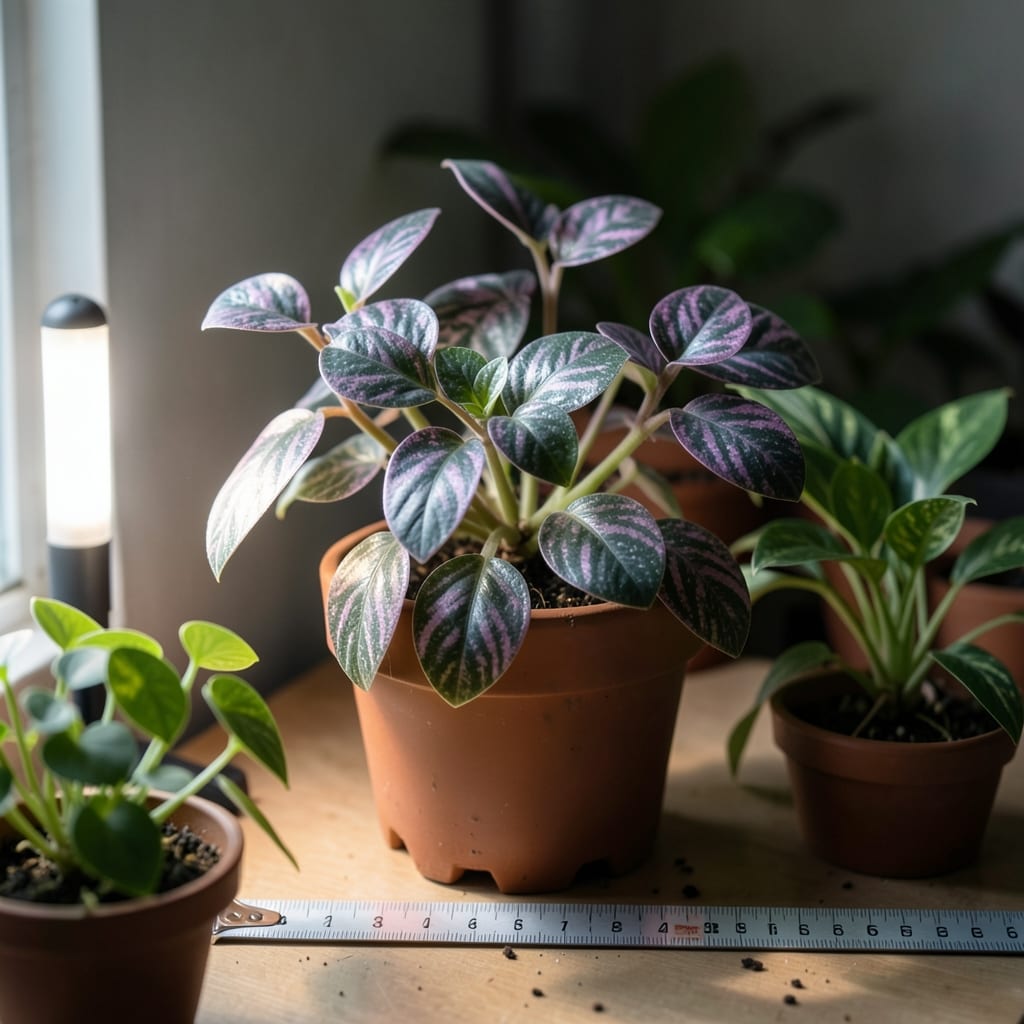
Inch plant light requirements: the ideal 2-4 hours of bright indirect sunlight explained
Your inch plant (Tradescantia sillamontana) thrives on bright indirect sunlight, but many gardeners accidentally give it too much or too little light. Unlike sun-loving plants, this beauty burns easily under harsh rays while struggling to grow in dim corners. The sweet spot? 2-4 hours of filtered sunlight daily, especially from east-facing windows. Understanding these needs prevents leggy stems and faded leaves.
Direct sunlight—even for short periods—can scorch your inch plant’s leaves, turning them crispy at the edges. Meanwhile, insufficient light stretches stems and dulls foliage. Think of it like Goldilocks: the light must be "just right." Let’s break down the specifics so your plant stays vibrant and compact.
| Light Condition | Hours Needed | Ideal Location | Signs of Stress |
|---|---|---|---|
| Bright Indirect Light | 2-4 hours | East or north window, 2-3 ft away | Healthy growth, deep purple leaves |
| Low Light | <1 hour | North-facing window or interior room | Leggy stems, pale leaves |
| Direct Sunlight | >4 hours | South or west window, no filter | Brown leaf tips, crispy edges |
Seasonal adjustments are key. In spring and fall, your inch plant can handle up to 4 hours of morning sun—the cooler light is gentler. But during summer’s peak intensity, reduce exposure to 2 hours max or move it farther from the window. A sheer curtain helps diffuse harsh rays without blocking light entirely.
To test if your plant has enough light, check the underside of leaves. If they’re bright green, it’s getting adequate light. If they’re yellow or pale, it’s time to relocate closer to a window. For indoor setups, rotate your plant quarter-turns weekly so all sides get even light exposure.
Outdoor inch plants (if grown in containers) love dappled shade under trees or a 50% shade cloth. Avoid full sun—even partial shade keeps leaves lush. If you notice purple streaks fading, it’s a cry for more light. Conversely, white or yellow leaves mean it’s getting too much.
Grow lights can save your plant if natural light is lacking. A 12-inch LED grow light (6,500K color temp) for 10-12 hours daily mimics ideal conditions. Position it 6-12 inches above the plant and adjust height as it grows. Fluorescent bulbs work too but require closer placement.
Pro tip: Group your inch plant with peperomias or fittonias—they share similar light needs. This creates a microclimate that stabilizes humidity and light distribution. Avoid placing it near drafty windows or vents, which can stress the plant even with perfect lighting.
Remember, consistency is critical. Sudden light changes (like moving from a bright window to a dim corner) shock your inch plant. Transition slowly over 1-2 weeks to avoid leaf drop. With the right light balance, your plant will reward you with compact growth and striking purple foliage year-round.
Inch plant light requirements: the ideal 2-4 hours of bright indirect sunlight explained
Your inch plant (Tradescantia sillamontana) thrives in bright indirect sunlight, but too much or too little light can turn your lush foliage into a sad, leggy mess. The key is 2-4 hours of daily light exposure, ideally from an east-facing window where sunlight is gentle. This balance prevents leaf burn while ensuring vibrant growth. Think of it like a goldilocks zone—not too harsh, not too dim.
Direct afternoon sun can scorch those delicate leaves, while low-light conditions cause stretching and pale foliage. Even artificial grow lights (like LED bulbs) can work if natural light is lacking, but placement matters. Too close? You’ll get crispy edges. Too far? Your plant will lean like it’s searching for sunlight. Let’s break down the perfect light setup for your inch plant.
| Condition | Specification |
|---|---|
| Daily Light Needs | 2-4 hours of bright indirect light |
| Best Window Placement | East or north-facing, 2-3 feet away |
| Direct Sun Tolerance | Morning sun only; avoid afternoon |
| Artificial Light Option | LED grow lights, 6-8 inches above plant |
| Signs of Too Much Light | Brown leaf tips, crispy edges |
| Signs of Too Little Light | Leggy stems, pale leaves, slow growth |
Seasonal changes can throw off your inch plant’s light balance. In summer, when sunlight is intense, move it back from the window or use a sheer curtain to diffuse the light. In winter, supplement with a grow light for 12-14 hours a day to mimic longer daylight. A simple trick? Rotate your plant quarter-turn weekly to ensure even light exposure on all sides. This prevents lopsided growth and keeps those leaves vibrant.
If your inch plant starts developing long, thin stems with sparse leaves, it’s begging for more light. On the flip side, yellowing leaves or crispy edges mean it’s getting too much direct sun. Adjust its position gradually—don’t shock the plant by moving it from a dark corner to a sunny windowsill overnight. Patience is key; your inch plant will thank you with rich, purple-tinged foliage.
For indoor gardeners, south-facing windows can be tricky—too much direct light can damage leaves. Test the light by placing your hand near the plant; if it feels warm, it’s getting too much sun. A reflective surface like a white wall or mirror can help bounce light gently onto the plant without overheating it. Balance is everything, and your inch plant will reward you with lush, healthy growth.
Pro tip: Use a light meter (or a free app) to measure light intensity in foot-candles. Aim for 500-1,000 foot-candles for bright indirect light. If you’re unsure, start with morning sunlight and observe your plant’s response. Adjust as needed—your inch plant’s happiness depends on it! 🌱